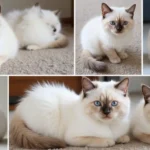
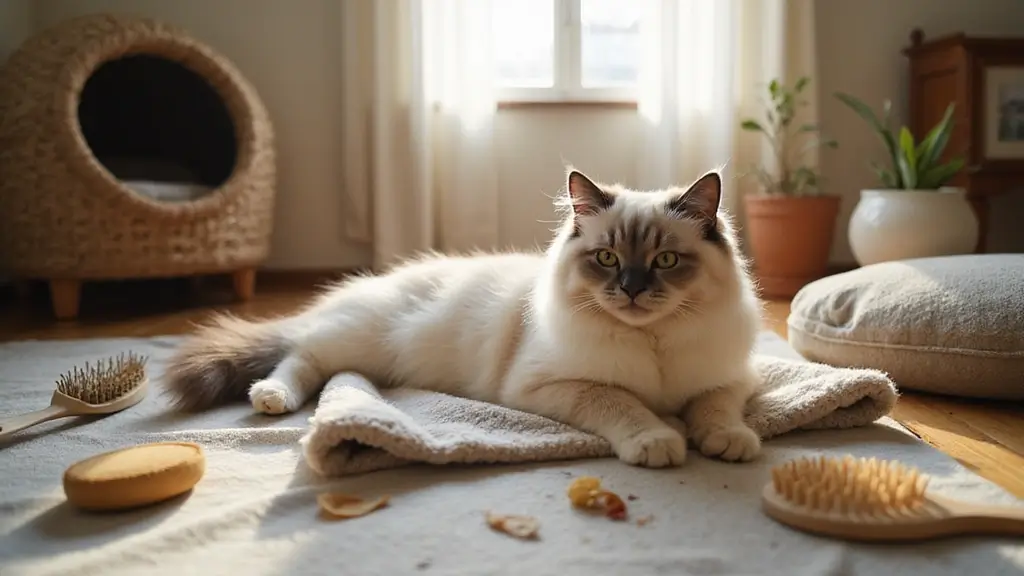
Welcoming a new ragdoll cat into your home is like inviting a bundle of joy and cuddles. Known for their affectionate nature and striking blue eyes, ragdolls have quickly become a favorite among cat lovers. These gentle giants aren’t just adorable; they also require specific care to thrive. Whether it’s understanding their unique health needs or keeping them entertained, being a responsible ragdoll owner starts with knowledge. This guide covers essential tips to ensure your ragdoll remains happy, healthy, and full of personality. With these insights, you’ll be well-equipped to give your new feline friend the life they deserve.
1. Understanding the Ragdoll Temperament
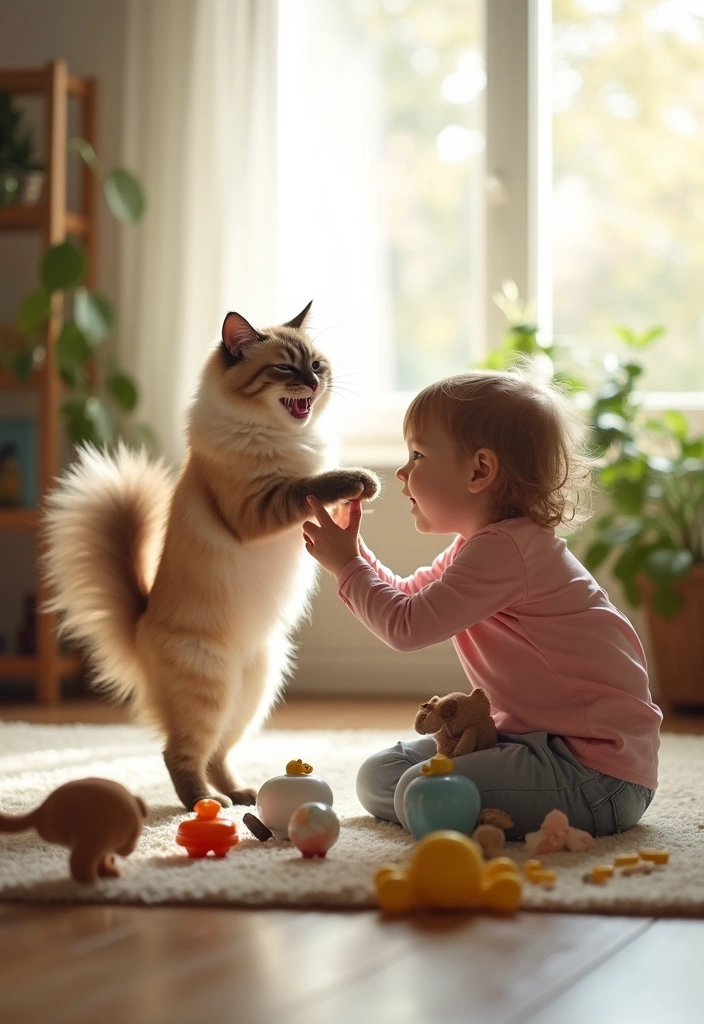
Ragdolls are known for their sweet, laid-back personalities. They thrive on human interaction, often following their owners around and seeking affection. This breed is friendly and sociable, making them ideal companions for families and individuals alike. Their easygoing nature means they adapt well to diverse living situations. With their playful yet gentle demeanor, ragdolls are known to get along with children and other pets, making them an excellent choice for a household.
for fostering a loving environment:
– Spend quality time daily; even short sessions matter.
– Provide a safe space where they can retreat when feeling overwhelmed.
– Introduce your ragdoll to new people and pets gradually to ease adaptation.
– Use engaging toys to stimulate their playful side.
– Encourage gentle handling to reinforce their trusting nature.
2. Grooming Essentials for Ragdolls
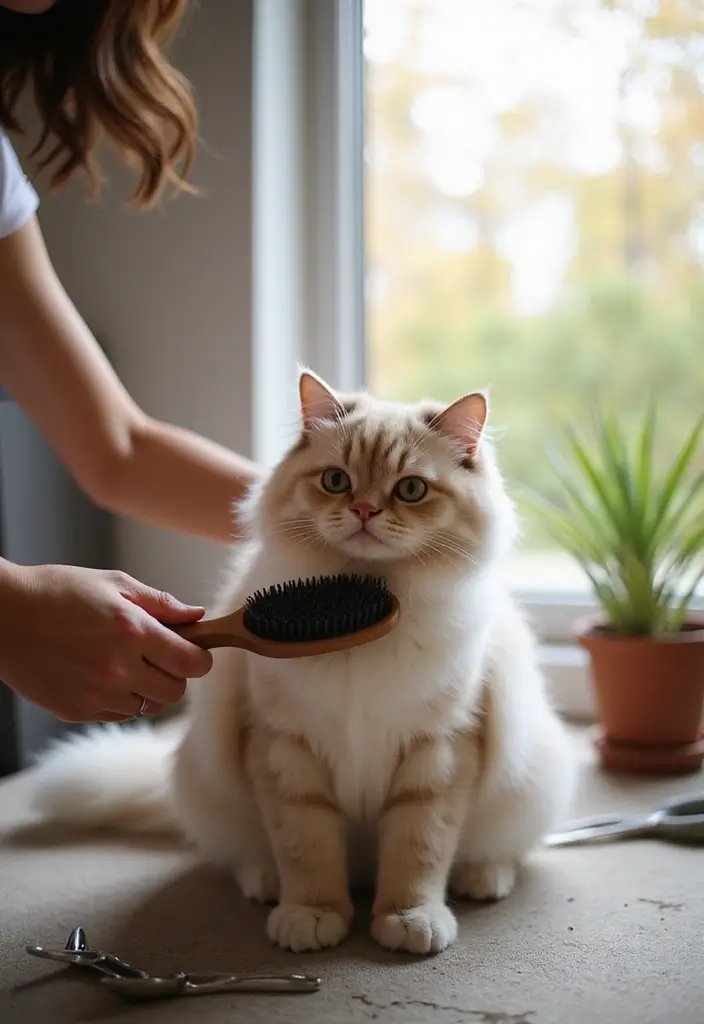
With their long, silky fur, ragdolls require regular grooming to keep their coats looking stunning and prevent mats. Regular brushing, at least two to three times a week, helps reduce shedding and keeps their fur healthy. Ragdolls are less prone to matting than other long-haired breeds, but it’s essential to keep up with their grooming to avoid any discomfort.
Here’s how to keep your ragdoll’s coat in top shape:
– Use a wide-toothed comb to detangle any knots gently.
– Invest in a high-quality cat brush designed for long hair.
– Bathe your ragdoll occasionally to maintain coat cleanliness, but don’t overdo it.
– Trim nails and check ears regularly to prevent health issues.
– Start grooming when they are young to help them acclimate.
3. Nutrition and Diet Needs
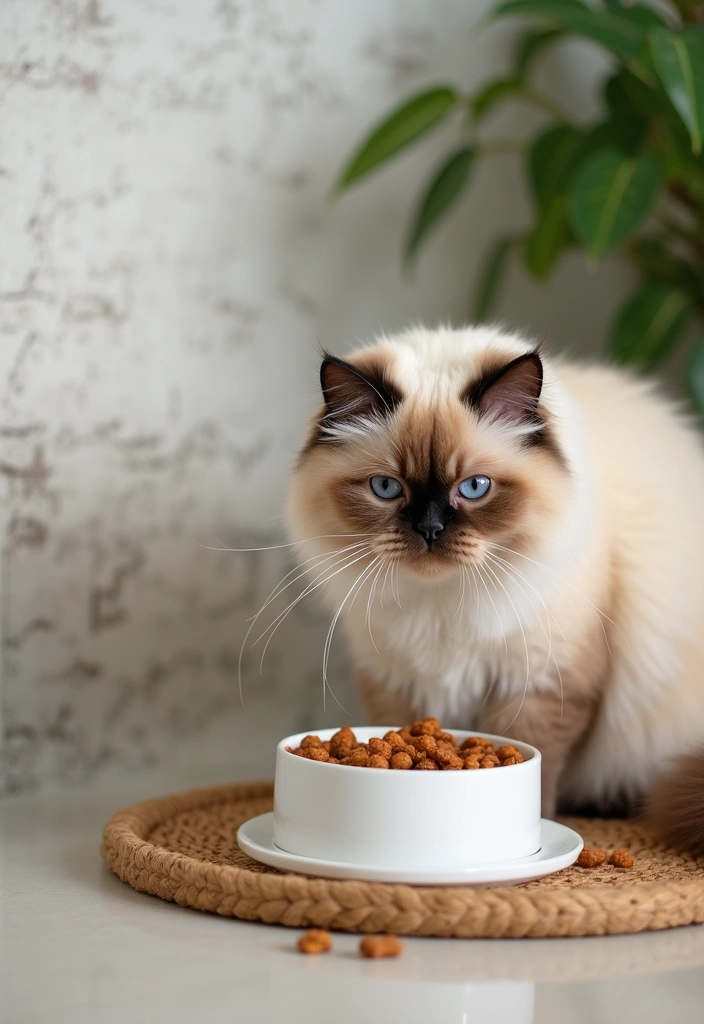
Feeding your ragdoll a balanced diet is crucial for maintaining their health and vitality. High-quality cat food, rich in protein and essential nutrients, supports their growth and energy levels. Due to their larger size, ragdolls may require more food than smaller breeds, so ensure you measure their portions carefully.
Keep these dietary tips in mind:
– Look for cat food with real meat as the first ingredient.
– Avoid overfeeding; consult your vet for specific dietary recommendations.
– Keep fresh water available at all times to encourage hydration.
– Consider a mix of wet and dry food to promote dental health.
– Monitor their weight regularly and adjust portions as needed.
4. Health Monitoring: Key Indicators
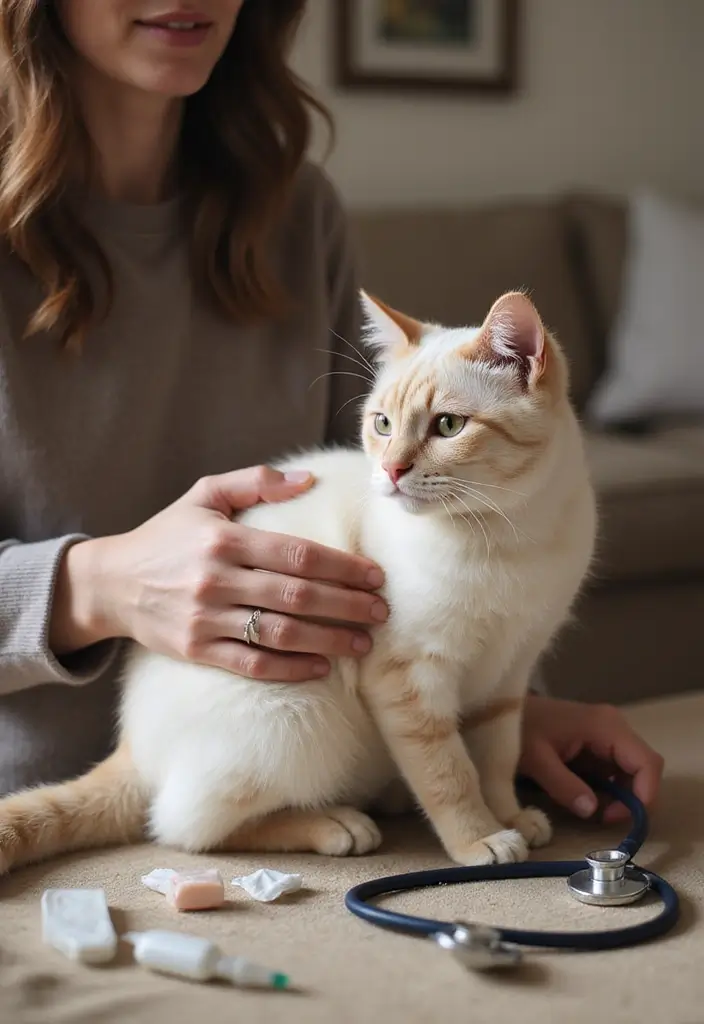
Keeping a close eye on your ragdoll’s health is vital. Regular monitoring helps you catch potential health issues early. Look out for changes in behavior, appetite, and weight. A sudden lack of energy or changes in litter box habits can indicate underlying problems. Being observant is key to ensuring your velvet-pawed companion thrives.
Here are signs to watch:
– Changes in eating habits or water intake.
– Weight fluctuation; regularly check their weight.
– Increased sleeping or lethargy that deviates from their norm.
– Changes in grooming habits; an unkempt coat may indicate stress or health issues.
– Regular vet check-ups are essential for preventive care.
5. Playtime and Mental Stimulation
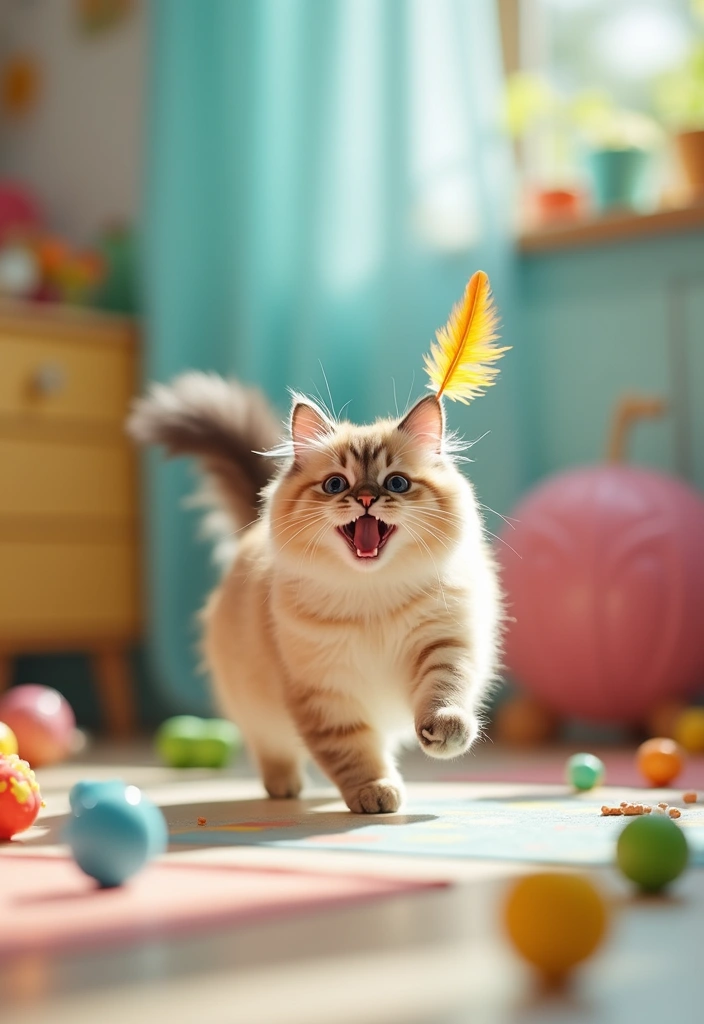
Ragdolls are playful cats, so engaging them in playtime is important for their mental and physical well-being. Interactive toys, such as feather wands and laser pointers, can keep them entertained for hours. Regular playtime sessions also strengthen your bond and help prevent boredom, which can lead to destructive behavior.
Consider these playtime strategies:
– Rotate toys regularly to maintain interest.
– Dedicate time daily for interactive play.
– Observe what types of toys your ragdoll prefers.
– Create DIY puzzle toys to stimulate their minds.
– Engage in play to foster trust and companionship.
Engage your Ragdoll in playtime daily! Not only does it keep them mentally sharp, but it deepens your bond and wards off boredom. Remember, a happy cat is a playful cat!
6. Cat-Friendly Environment Setup
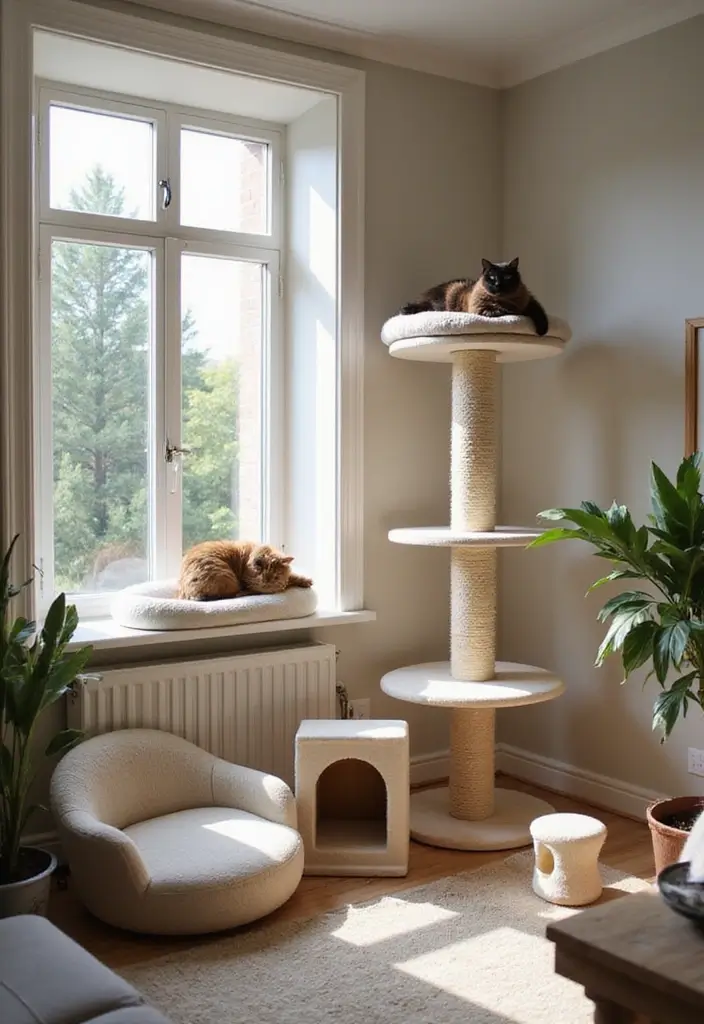
Creating a cat-friendly environment is essential for your ragdoll’s happiness. They thrive in spaces where they can explore, lounge, and perch high up. Providing a variety of cozy spots around your home will make them feel safe and secure. Cat trees, window perches, and soft beds can enhance their living space and enrich their daily experiences.
Important environment tips:
– Invest in a sturdy cat tree for climbing and playing.
– Set up window perches for sunbathing and bird-watching.
– Provide bedding in quiet corners for napping.
– Remove hazards like toxic plants and small choking items.
– Allow space for roaming while ensuring safe areas.
7. Regular Vet Visits and Vaccinations
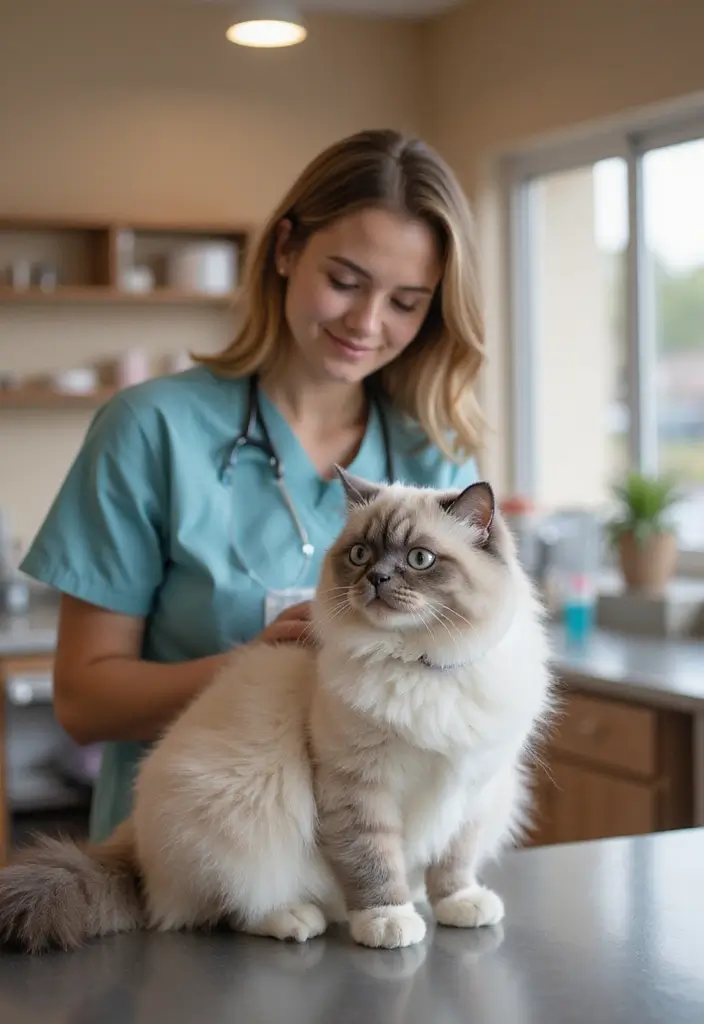
Regular veterinary check-ups are essential to keep your ragdoll in top condition. Routine visits help prevent illness and ensure your cat receives necessary vaccinations. Discuss a vaccination schedule, flea prevention, and annual health screenings with your vet to maintain your pet’s health.
Here’s what to remember for vet visits:
– Schedule annual wellness exams as your cat ages.
– Keep all vaccination records organized and up-to-date.
– Ask about spaying/neutering if it’s not already done.
– Discuss any specific health concerns related to the ragdoll breed.
– Build a good relationship with your vet for better care.
8. Pet Socialization Techniques
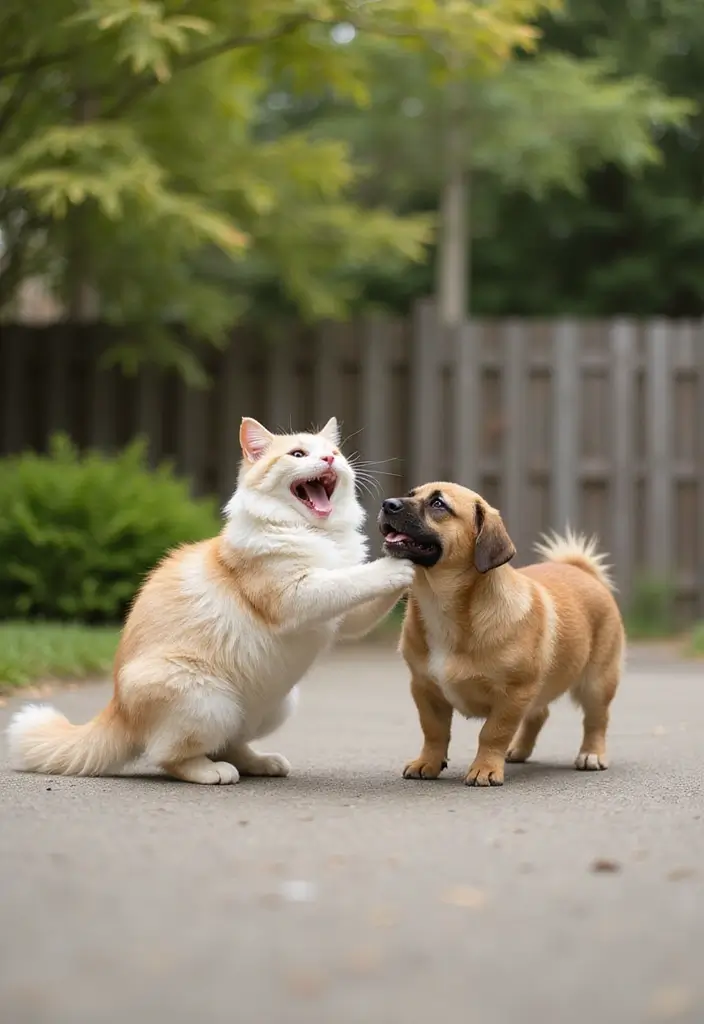
Socializing your ragdoll from a young age is crucial for their confidence and comfort around others. Introduce your cat to different environments, people, and pets to help them adapt easily. A well-socialized cat tends to be happier and less fearful. Use positive reinforcement to encourage friendly behavior during introductions.
Socialization tips include:
– Expose them to new experiences gradually.
– Encourage gentle interactions with children and other pets.
– Use treats to reward calm behavior during meet-and-greets.
– Allow them to retreat if they feel overwhelmed.
– Regularly engage in varied social situations.
9. Understanding Ragdoll Health Issues
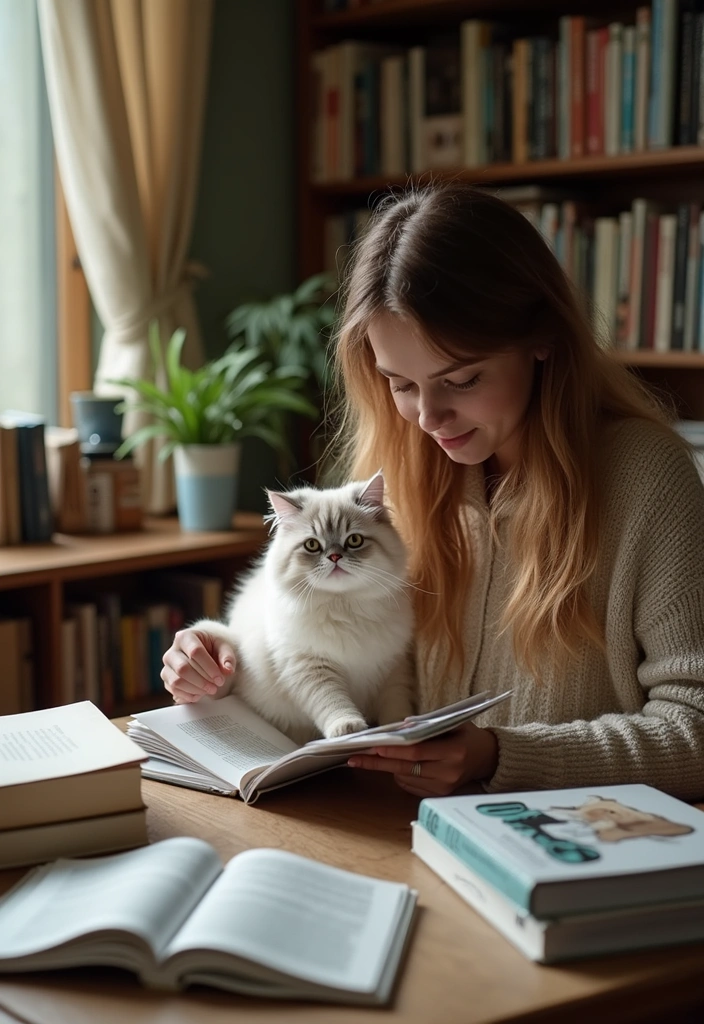
While ragdolls are generally healthy, they are prone to certain genetic health issues. Knowing the common concerns helps you take preventive measures early. Conditions such as hypertrophic cardiomyopathy (HCM) and certain types of kidney disease can impact their well-being.
Stay informed by:
– Regularly discussing health issues with your vet.
– Watching for symptoms like lethargy or unusual breathing.
– Understanding breed-specific conditions to anticipate care needs.
– Ensuring your ragdoll’s diet supports heart health.
– Investing in pet insurance for unforeseen health expenses.
10. The Importance of Spaying/Neutering
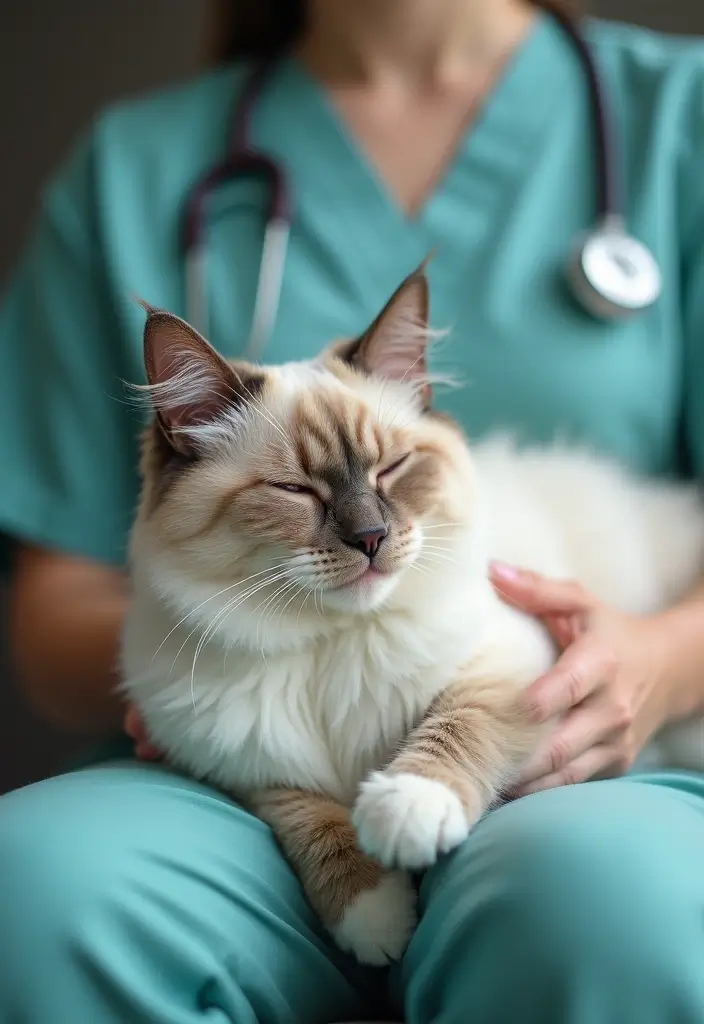
Spaying or neutering your ragdoll is vital for their health and can prevent unwanted behaviors. This procedure not only reduces the risk of certain cancers but also contributes to the reduction of overpopulation in shelters. It’s best to consult your vet about the right time for this procedure to ensure your pet’s safety and well-being.
Key points about spaying/neutering:
– Consult your vet about the procedure’s benefits and timing.
– Understand the recovery process for peace of mind.
– Monitor your cat post-surgery for any unusual behavior.
– Discuss long-term health benefits with your vet.
– Consider adopting another companion if you spay/neuter early.
11. Incorporating Health Tracking Apps

In this digital age, health tracking apps can be a game-changer for pet owners. These apps allow you to monitor your ragdoll’s weight, vet appointments, and overall health, ensuring you stay on top of their care. Many apps offer features that help remind you of upcoming vaccinations and allow you to log changes in behavior and diet.
Consider these app features:
– Weight tracking to prevent obesity.
– Reminders for vet visits and vaccinations.
– Health journal for monitoring any changes.
– User-friendly interfaces for easy navigation.
– Community forums for tips and socializing with other pet owners.
12. Keeping the Litter Box Clean
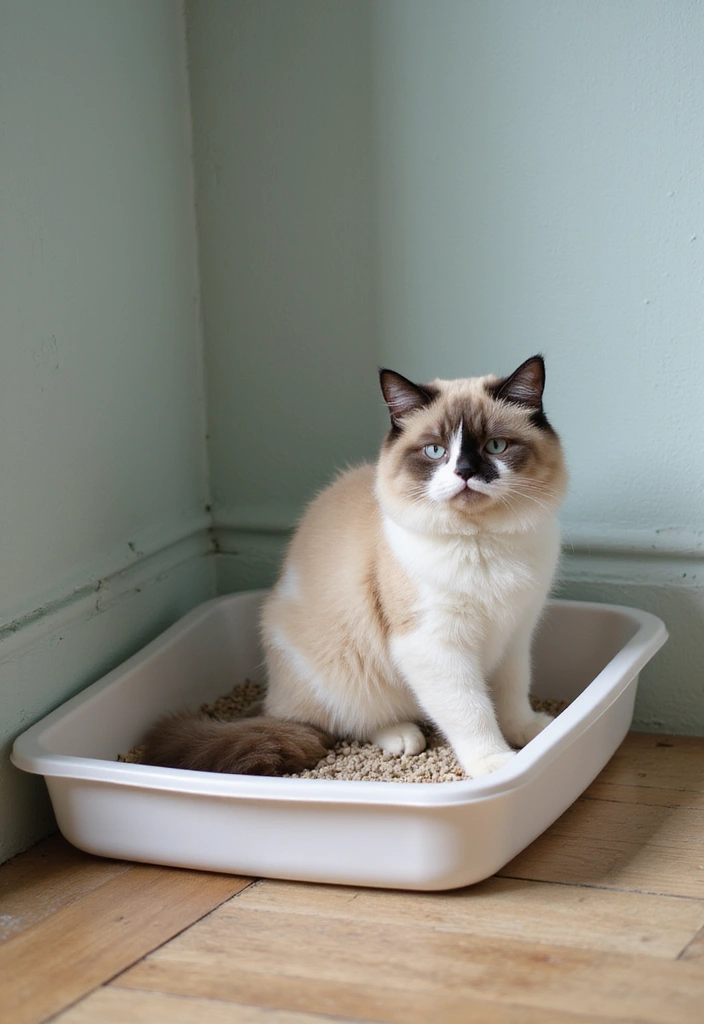
A clean litter box is essential for your ragdoll’s happiness and health. Cats are naturally clean creatures, and a dirty box can lead to behavioral issues, including avoidance of the box altogether. Regular cleaning and maintaining an inviting bathroom area is a must.
Cleaning tips include:
– Scoop daily to remove waste.
– Change the litter regularly to keep odors in check.
– Wash the litter box with soap and water weekly.
– Experiment with different litter types to find what your cat prefers.
– Ensure the box is placed in a quiet, accessible location.
A clean litter box isn’t just a chore; it’s a key to your ragdoll’s happiness! Scoop daily and keep their space fresh—because a happy cat equals a happy home!
13. Understanding Ragdoll Grooming Styles
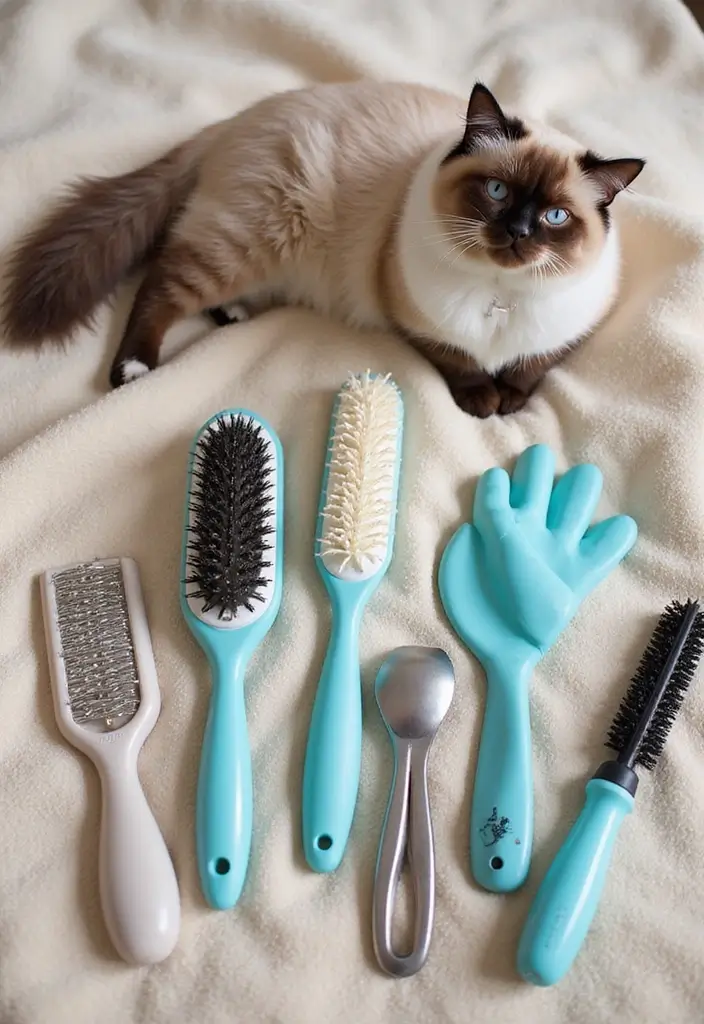
Ragdolls have a distinct grooming style that benefits from the right tools. Their semi-long hair requires specific brushes to avoid tangles and mats. Understanding how to groom them properly can keep their coat looking fabulous and healthy. Regular grooming also strengthens your bond by providing quality time together.
Choose the right tools:
– A pin brush is great for detangling and fluffing.
– A slicker brush helps remove loose hair and mats.
– Invest in grooming mitts for a gentle touch.
– Groom during a relaxed time when your cat is calm.
– Consider scheduling grooming sessions weekly to maintain coat health.
14. Enriching Your Ragdoll’s Life
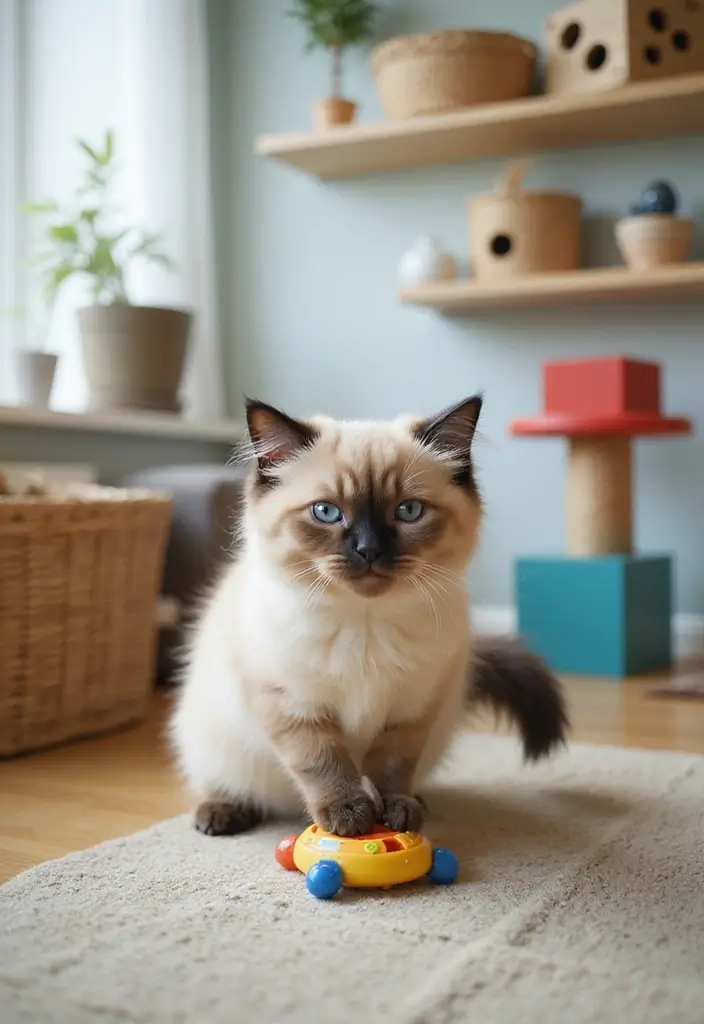
Mental and physical stimulation is crucial for keeping your ragdoll happy. Boredom can lead to stress and unwanted behaviors, so finding ways to enrich their environment is essential. From interactive toys to puzzle feeders, there are plenty of ways to offer mental engagement.
Enrichment ideas include:
– Rotate toys regularly to keep interests high.
– Set up climbing shelves for exploration.
– Use treat-dispensing toys for a fun snack challenge.
– Create scent trails for them to follow.
– Social interaction with other pets or humans can be enriching too.
15. Finding the Right Vet
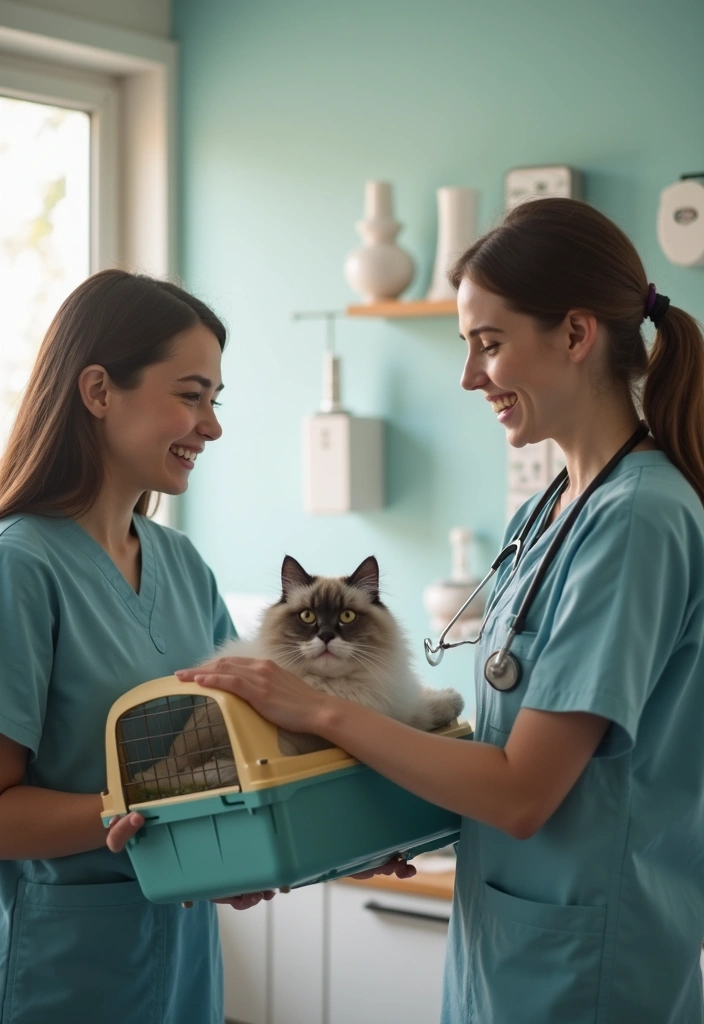
Choosing a veterinarian you can trust is crucial for your ragdoll’s health. You want someone who understands the specific needs of the breed and can provide tailored care. It’s essential to build a good relationship with your vet, ensuring they can offer expert advice and support in maintaining your cat’s health.
Steps to find the right vet:
– Research local veterinarians specializing in cats.
– Ask for recommendations from fellow cat owners.
– Schedule a consultation to gauge comfort and understanding.
– Inquire about their approach to preventive care and emergency services.
– Ensure their facility is clean and welcoming.
16. The Importance of Exercise
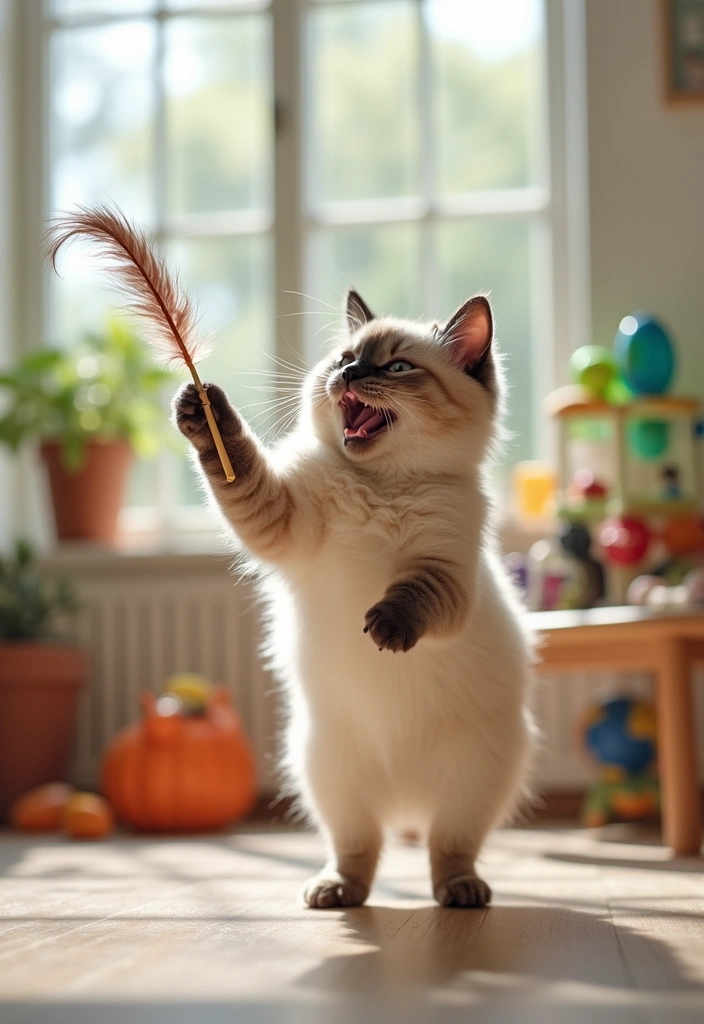
Regular exercise is vital for your ragdoll to maintain a healthy weight and keep their muscles toned. While they enjoy lounging around, a good play session can do wonders for their physical health. Incorporating exercise into your daily routine will keep your ragdoll lively and engaged.
Exercise tips include:
– Use wand toys to encourage jumping and chasing.
– Engage them in interactive play sessions multiple times a day.
– Provide space for them to run and explore.
– Set up obstacle courses with boxes and tunnels.
– Monitor their energy levels and adjust activities accordingly.
17. Dealing with Shedding
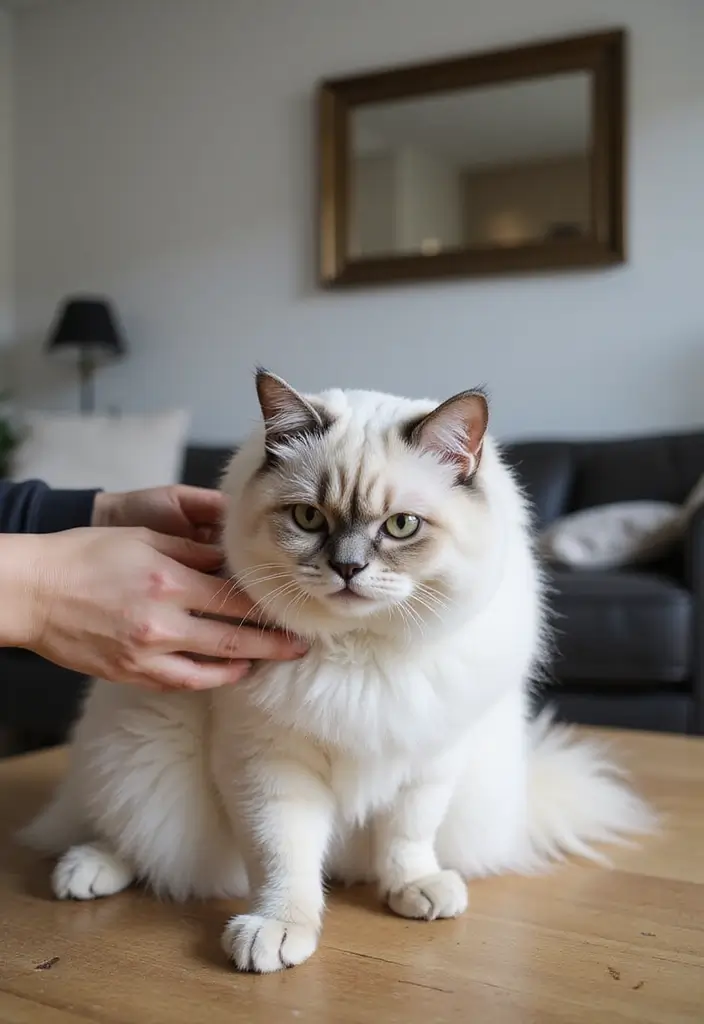
Ragdolls, with their beautiful coats, do shed, but managing this can be straightforward with the right techniques. Regular grooming plays a significant part in controlling shedding, but also consider the environment and diet. Keeping your home clean can make a big difference for both you and your cat.
Shedding management tips:
– Brush your ragdoll daily during seasonal changes.
– Use a lint roller on furniture to remove hair easily.
– Maintain a consistent vacuuming schedule to keep your home hair-free.
– Provide a diet rich in omega fatty acids for a healthier coat.
– Encourage hydration to support overall skin health.
18. Managing Allergies
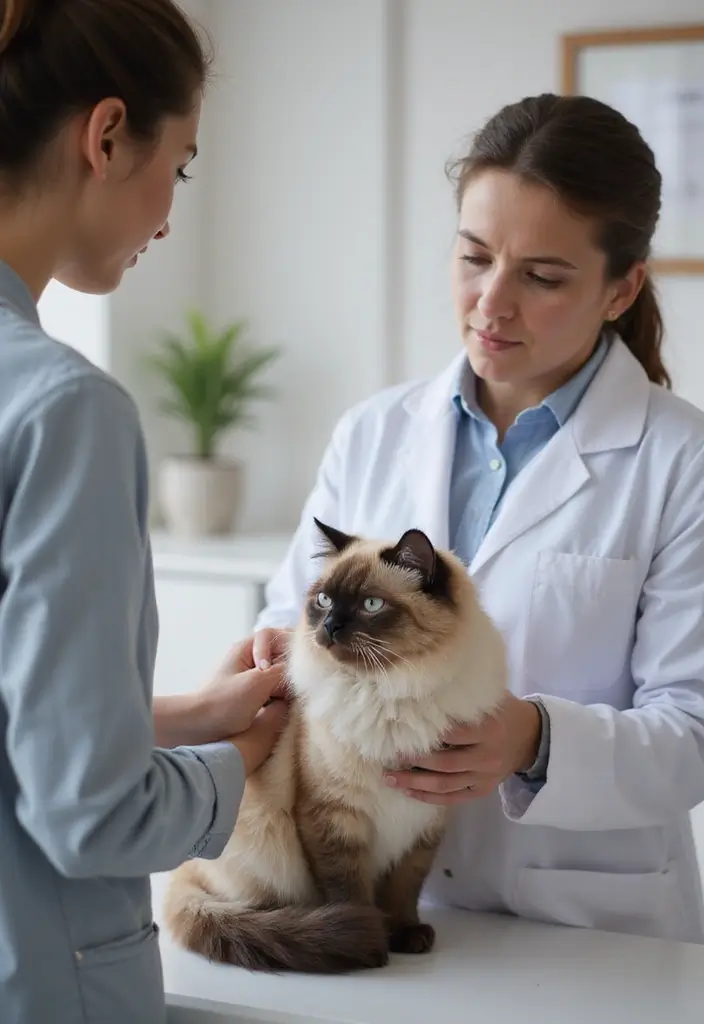
Some ragdoll cats may develop allergies, which can lead to discomfort and health issues. Observing your cat for signs such as itching, sneezing, or gastrointestinal distress is crucial. Identifying allergens is often the first step in managing these reactions, and seeking veterinary advice can help clarify the situation.
Allergy management steps include:
– Monitor your ragdoll for signs of allergies.
– Discuss potential allergens with your vet, including food and environmental triggers.
– Consider switching to hypoallergenic cat food if necessary.
– Keep your home clean to reduce dust and other allergens.
– Regular grooming can help minimize exposure to allergens.
19. Recognizing Signs of Pain
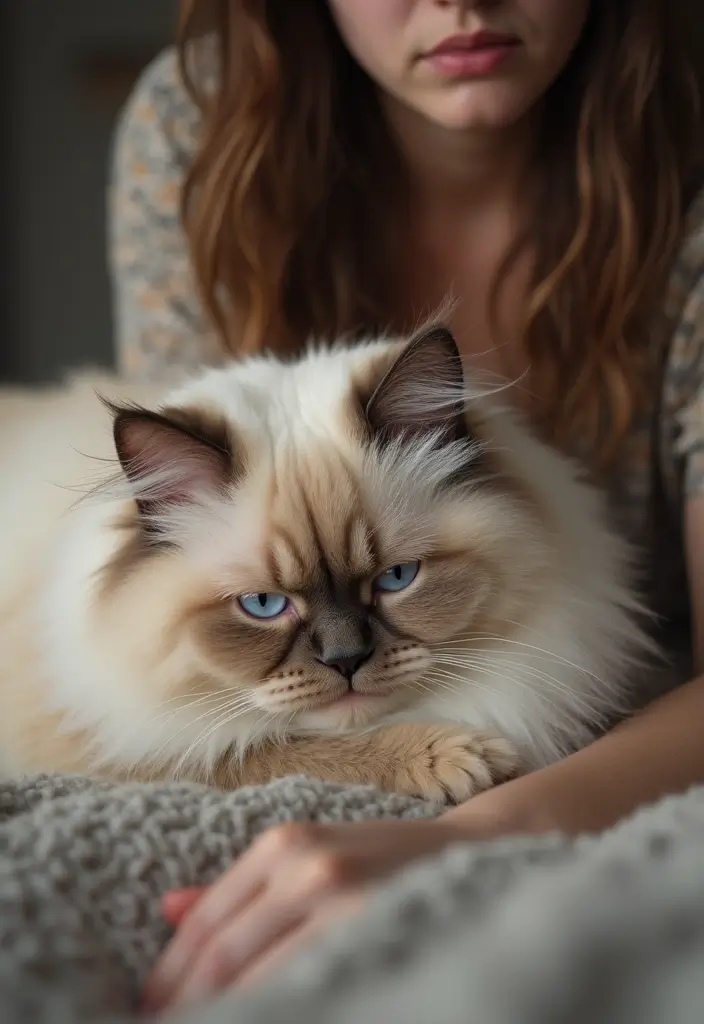
Recognizing signs of pain in your ragdoll can be challenging, as cats often hide discomfort. Being observant is crucial; changes in behavior like aloofness, hiding, or aggression can indicate pain. Understanding what’s normal for your ragdoll will help you spot abnormalities sooner.
Key indicators of pain include:
– Changes in grooming habits, such as neglecting their fur.
– Altered eating or drinking behavior.
– Excessive vocalization or aggression.
– Difficulty jumping or moving.
– Seek veterinary help immediately if you notice signs of pain.
20. Creating a Safe Outdoor Space
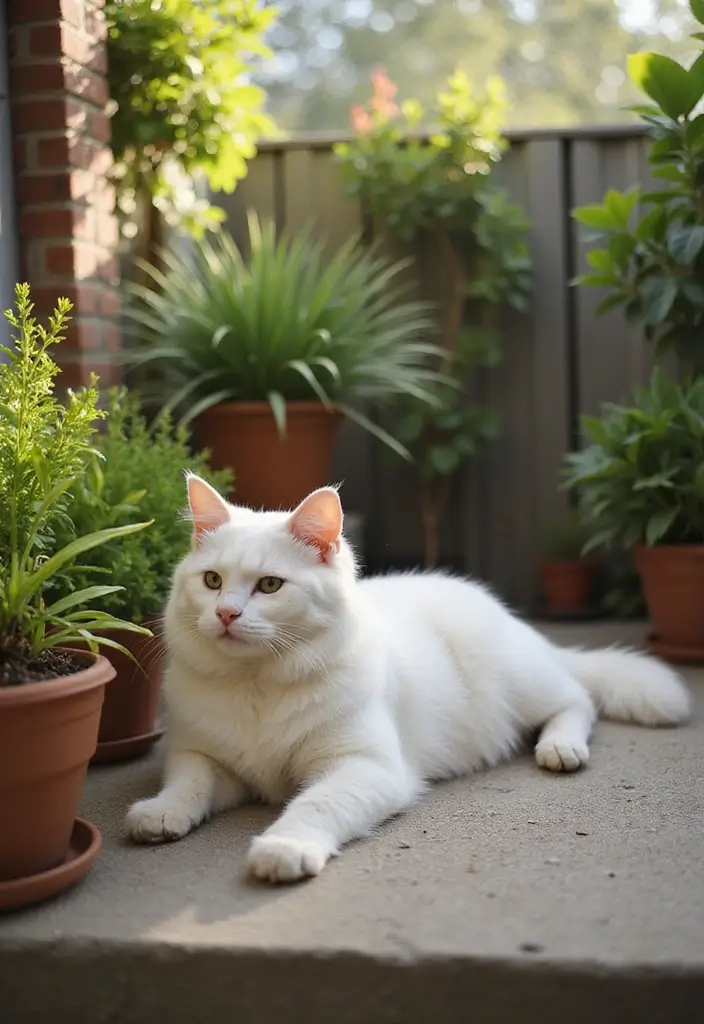
If you want your ragdoll to enjoy the outdoors, creating a safe space is crucial. Outdoor access can provide mental stimulation and encourage natural behaviors. However, it’s vital to ensure their safety and security from dangers like other animals and traffic, so consider enclosed areas or supervised outings.
Safety tips include:
– Build a catio or secure outdoor enclosure.
– Use a leash and harness for supervised walks.
– Regularly check the area for potential hazards.
– Plant cat-friendly, non-toxic plants in your yard.
– Avoid letting them roam freely unless fully secure.
A safe outdoor space is a happy place for your ragdoll! Think catios and supervised strolls to let them explore while keeping them secure. Safety first means fun always!
21. Understanding Your Ragdoll’s Body Language
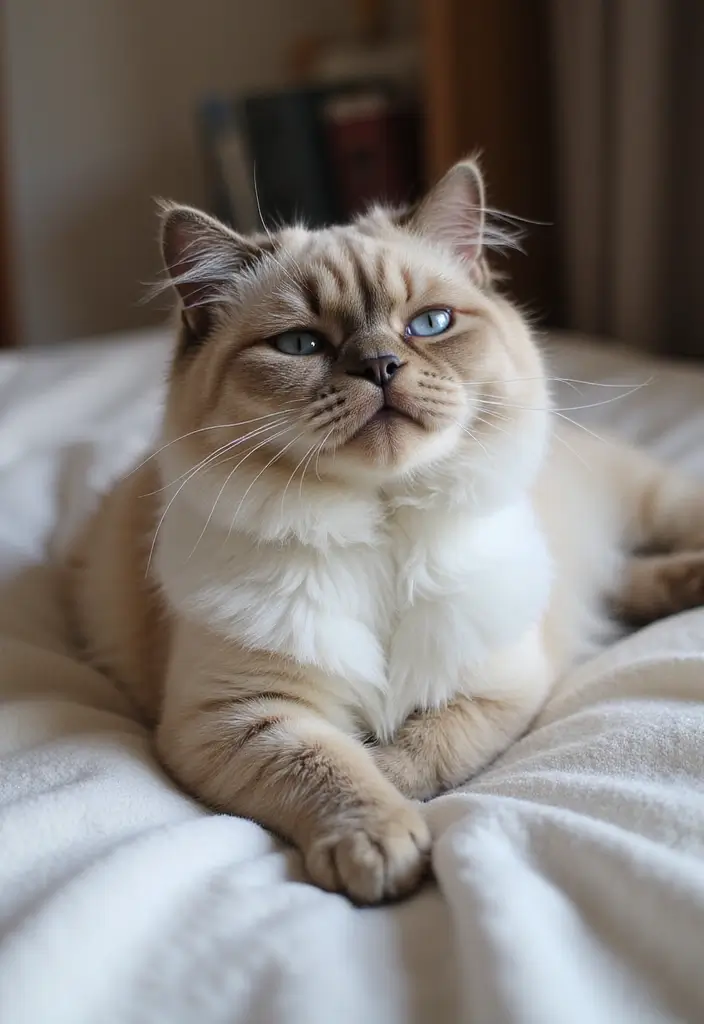
Understanding your ragdoll’s body language can enhance your bond and help you better respond to their needs. Cats communicate their feelings through posture, tail position, and facial expressions. Recognizing these signals is key to providing a supportive and affectionate environment.
Body language signs to note:
– A raised tail often indicates happiness.
– Slow blinking can signify trust.
– Flat ears or hissing may indicate discomfort.
– Kneading shows affection and contentment.
– Regular observation helps you interpret their mood.
22. The Benefits of Cat Training

Training your ragdoll can have numerous benefits, not just for you but for your cat too. Simple commands or litter box training can enhance communication and reduce stress. Positive reinforcement methods make training fun and rewarding for both of you.
Training benefits include:
– Establishing a deeper bond through shared activities.
– Encouraging good behavior and reducing undesired habits.
– Mental stimulation that keeps your cat active and engaged.
– Easier vet visits if your cat is comfortable with handling.
– Building confidence in your ragdoll through accomplishments.
23. Understanding Cat Breeds and Their Needs
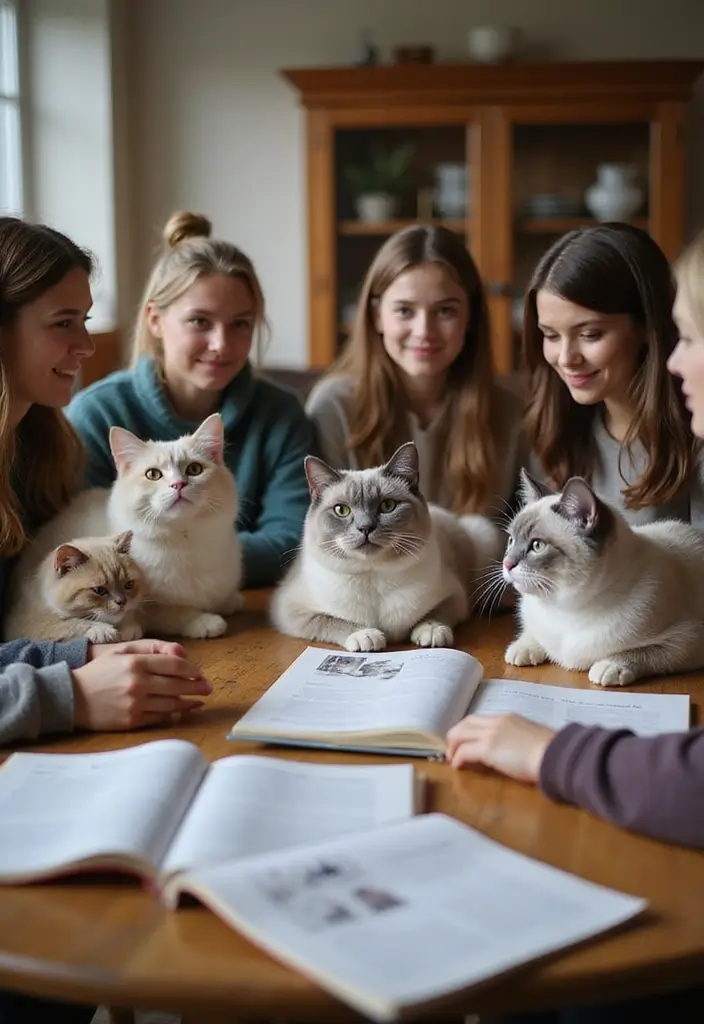
Every cat breed, including the ragdoll, has unique needs and characteristics. Understanding these helps you provide tailored care. Ragdolls, for instance, thrive on companionship and are less independent compared to other breeds. Knowing this can guide your interactions with your cat and help meet their emotional and physical needs more effectively.
Key considerations include:
– Research general habits and needs specific to ragdolls.
– Understand the breed’s grooming and health care requirements.
– Recognize their social needs and activity levels.
– Adapt your lifestyle to accommodate their personality.
– Engage with online communities or resources for breed support.
Every Ragdoll is a unique soul with specific needs. Understanding their desire for companionship is key to nurturing a loving relationship. Tailor your care, and watch your bond flourish!
24. Seasonal Care for Ragdolls

Caring for your ragdoll also involves adapting to seasonal changes. Each season can present different challenges and needs, from grooming in warmer weather to keeping them cozy during winter. Understanding how to adjust your care routine can ensure your ragdoll remains comfortable year-round.
Seasonal care tips:
– Increase grooming frequency during shedding seasons.
– Maintain a comfortable temperature indoors during winter.
– Provide hydration and monitor heat during summer months.
– Watch out for allergies that may arise in spring and fall.
– Adjust play activities to suit seasonal moods.
25. Preparing for Emergencies

Being prepared for emergencies can make a significant difference in your ragdoll’s safety and well-being. Having a pet emergency kit ready, knowing local veterinary emergency services, and creating an evacuation plan can ensure that you’re equipped to handle unexpected situations.
Emergency preparation steps:
– Assemble a pet emergency kit with essentials like food, water, and meds.
– Keep veterinary contact information handy.
– Practice evacuation routes with your cat.
– Learn basic first-aid for pets.
– Stay informed about local pet-friendly shelters or facilities.
26. Introducing New Pets

If you’re considering adding another pet to your family, introducing them to your ragdoll requires careful planning. Ragdolls are generally sociable, but introductions should be slow and intentional to reduce stress. Understanding both pets’ temperaments is key to a smooth transition.
Introduction strategies:
– Keep initial meetings short and supervised.
– Gradually increase their time together as they become more comfortable.
– Use scent swapping techniques to familiarize them.
– Reward positive interactions with treats and praise.
– Monitor both pets for signs of stress or aggression.
27. Keeping Your Home Safe
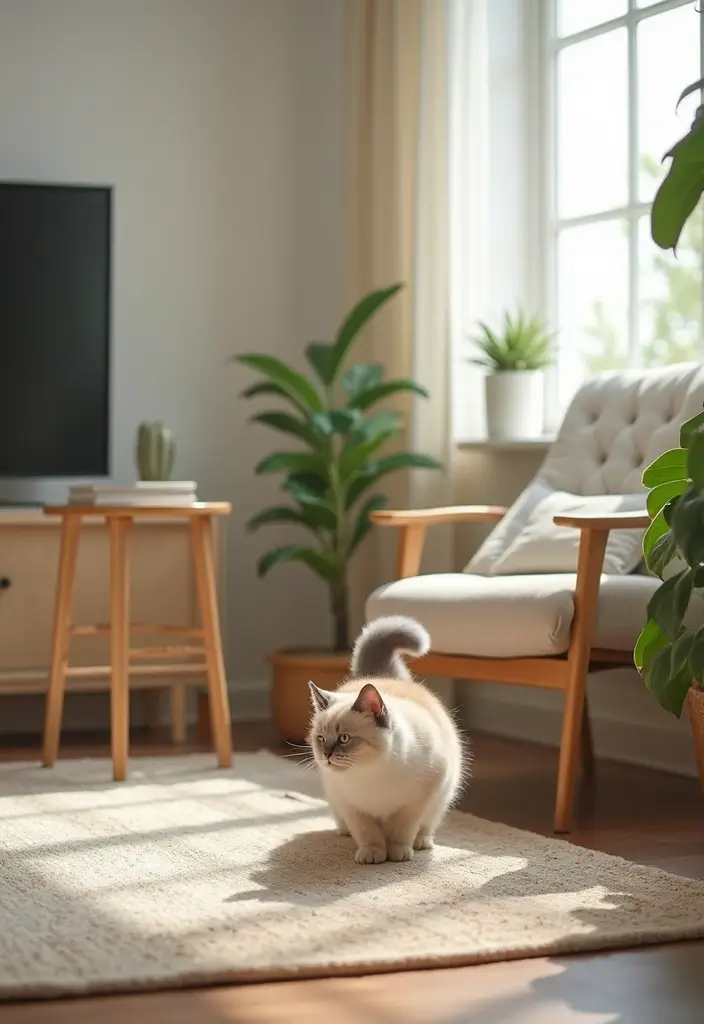
Creating a safe home environment for your ragdoll is essential to prevent potential accidents or injuries. This includes securing hazardous areas, removing toxic plants, and ensuring that small objects are out of reach. A thoughtful setup will allow your cat to explore safely and comfortably.
Safety tips include:
– Install baby gates to limit access to dangerous areas.
– Use non-toxic plants and remove any harmful ones.
– Keep cords and small items secured or out of reach.
– Store cleaning supplies safely and securely.
– Regularly inspect your home for potential hazards.
28. Celebrating Your Ragdoll
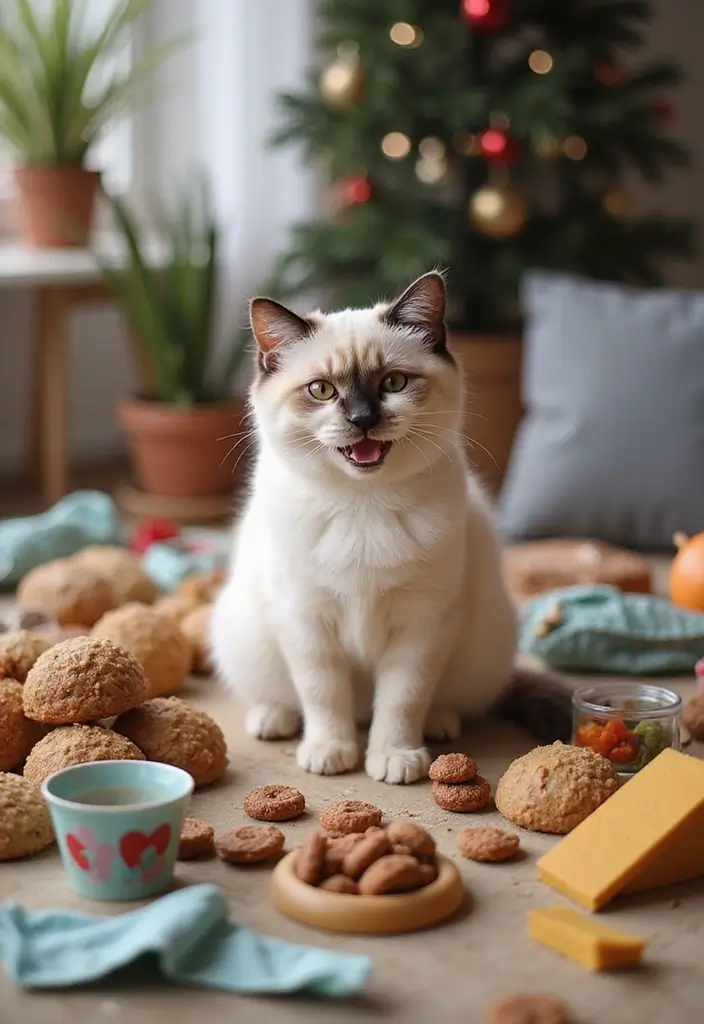
Lastly, don’t forget to celebrate your ragdoll! Whether through special treats, playtime, or a new toy, acknowledging their presence enriches your bond and shows how much you value them. Frequent moments of affection and attention can make your cat feel loved and appreciated, enhancing both your lives.
Celebration ideas:
– Host a small pet party with treats and toys.
– Take adorable pictures to capture their personality.
– Write about their quirks or adventures in a pet journal.
– Share their milestones with friends and family.
– Regularly spend quality time enjoying their company.
Conclusion
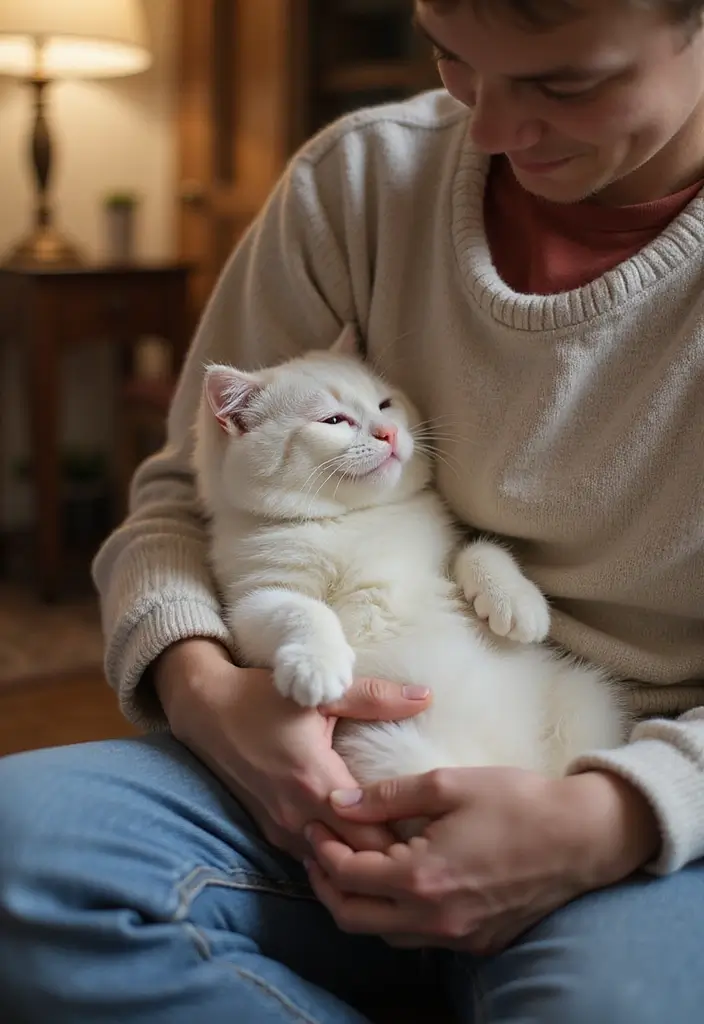
Owning a ragdoll cat is a rewarding journey filled with love, companionship, and joy. By understanding their specific needs and giving them the attention they deserve, you will foster a happy and healthy environment for your feline friend. Remember, the key to a successful partnership lies in continuous learning and adapting to their unique personality and requirements. So go ahead, embrace the adventure of ragdoll ownership with excitement and dedication!
Frequently Asked Questions
What Makes Ragdoll Cats Unique Compared to Other Breeds?
Ragdoll cats are truly a breed apart! Known for their gentle temperament and affectionate nature, these cats often enjoy being held and cuddled. With their striking blue eyes and semi-long, silky fur, they not only look stunning but also have a personality that thrives on human interaction. They’re social and playful, making them great companions for families and individuals alike!
How Often Should I Groom My Ragdoll Cat?
Grooming your Ragdoll is essential to keep their beautiful coat in top shape! Aim to brush them at least two to three times a week to prevent mats and reduce shedding. Regular grooming not only helps maintain their fur but also provides an excellent opportunity for bonding time between you and your furry friend!
What Are Common Health Issues in Ragdoll Cats I Should Watch For?
While Ragdolls are generally healthy, they can be prone to certain genetic health issues, such as hypertrophic cardiomyopathy and dental problems. Regular vet visits and monitoring your cat’s behavior can help catch potential issues early. Always be observant of changes in appetite, energy levels, or weight, as these can indicate underlying health concerns.
How Can I Ensure My Ragdoll Cat Stays Mentally Stimulated?
Keeping your Ragdoll mentally stimulated is key to their happiness! Engage them with a variety of interactive toys, such as feather wands or puzzle feeders. Regular playtime not only provides exercise but also enriches their environment, helping to prevent boredom and the potential for unwanted behaviors. Remember, a happy Ragdoll is a well-stimulated Ragdoll!
What Should I Include in a Health Tracking Routine for My Ragdoll?
Implementing a health tracking routine for your Ragdoll is a fantastic way to ensure their well-being. Start by logging their weight, eating habits, and activity levels. Using health tracking apps can be incredibly helpful for keeping everything organized. Regularly check for any changes in their behavior or health indicators, and don’t forget those vet appointments to keep their vaccinations up to date!
Related Topics
ragdoll cat care pet health tracking cat grooming tips new pet owners ragdoll nutrition cat exercise pet wellness health monitoring apps cat socialization affectionate cats indoor cat environment seasonal pet care