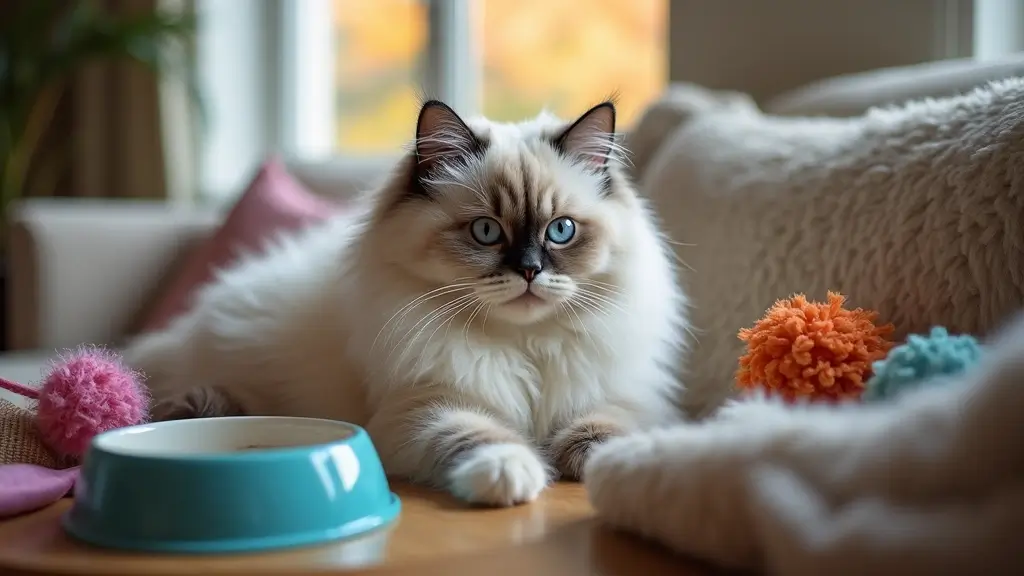
Siberian cats are not just beautiful; they are also packed with personality and charm. This fluffy breed is known for their incredible adaptability and playful demeanor, making them perfect companions for families and singles alike. As you embark on the journey of caring for your new Siberian, this guide will immerse you in essential tips that span health, grooming, and understanding their unique behavior.
From ensuring they stay healthy to nurturing that playful spirit, you’ll discover insights tailored to enhancing your pet’s well-being! Expect stunning visuals that highlight the fluffiness and charm of these magnificent cats, which will inspire you to pamper your furry friend!
1. Understanding Siberian Cat Characteristics
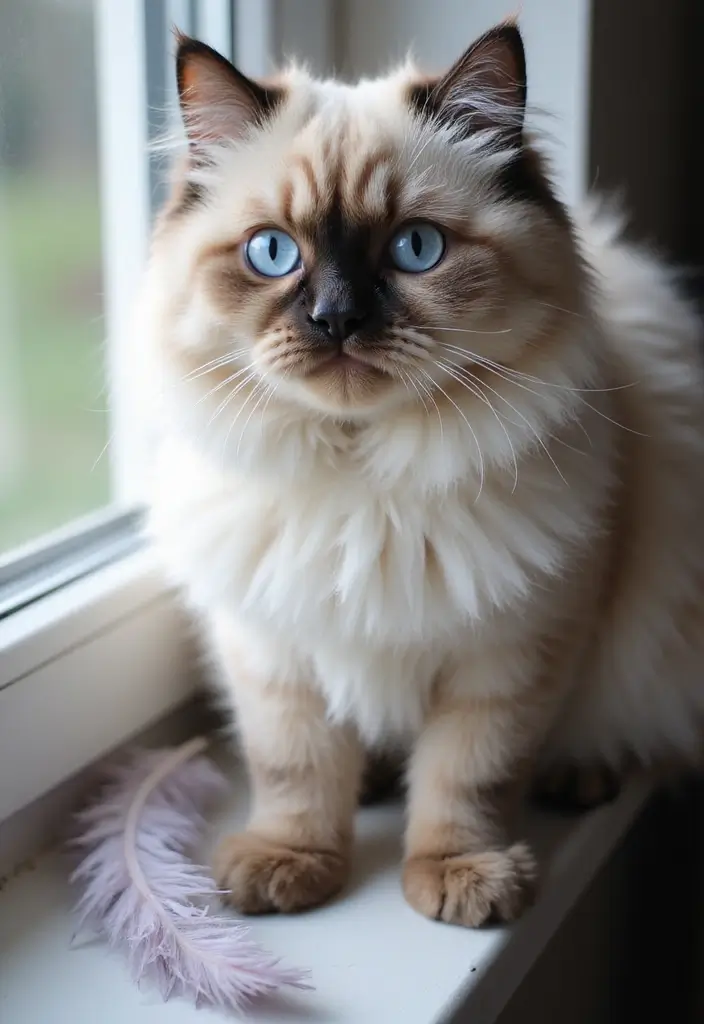
Siberian cats are a stunning breed with unique traits that make them stand out from the rest. Known for their striking, tufted ears and vibrant eyes, these cats are also incredibly affectionate. They have a playful nature that makes them exceptional companions. Despite their size, they are agile and love to climb and explore. A notable characteristic is their thick, water-repellant fur which helps them thrive in cold climates.
When considering a Siberian, it’s essential to understand these traits so you can provide an environment that suits their needs. Engage their playful side with interactive toys and climbing posts!
– Friendly and social, often forming strong bonds with their humans
– Intelligent and curious, requiring mental stimulation
– A lovely balance of independence and affection
– Strong, muscular bodies that need space to roam and play
2. Essential Siberian Cat Care

Caring for a Siberian cat involves understanding their unique needs and providing for them accordingly. Regular vet visits are crucial for monitoring their health. Keep a check on their weight as Siberians can be prone to obesity if overfed. A balanced diet rich in protein will keep them energetic and happy.
Additionally, ensure access to clean water at all times and choose high-quality cat food tailored to their age and needs. Regular playtime is also vital; it keeps them active and stimulates their minds.
– Schedule regular vet check-ups
– Choose high-quality cat food
– Monitor their weight regularly
– Ensure they have access to fresh water
– Make time for daily play
3. Grooming Your Siberian Cat
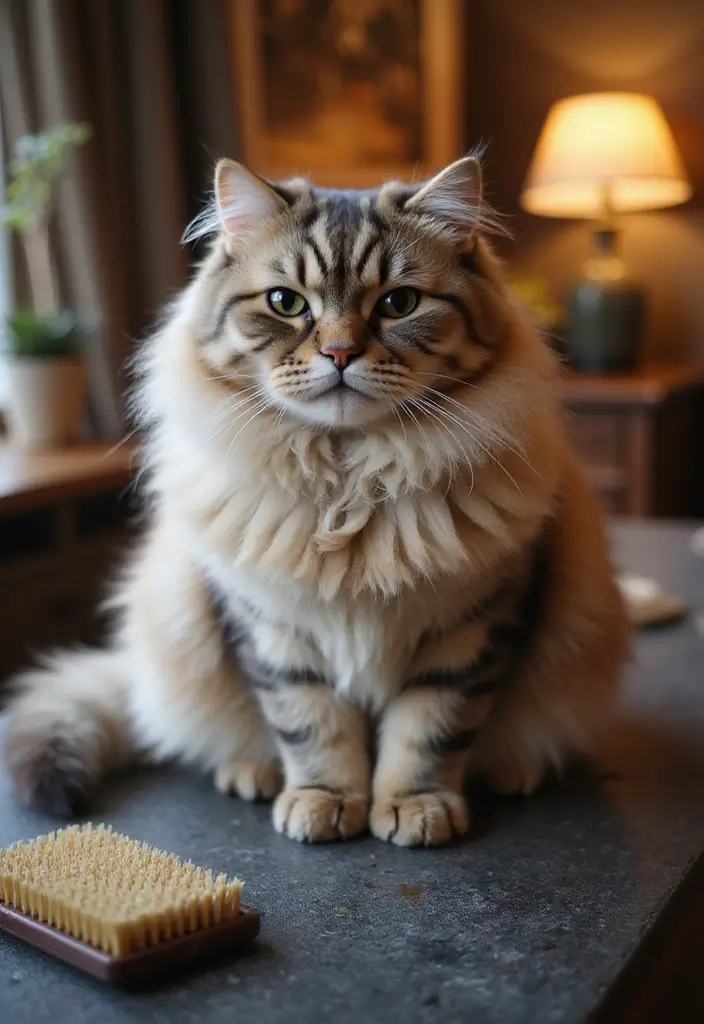
One of the highlights of owning a Siberian cat is their luxurious fur, but it comes with the responsibility of grooming. Their thick, triple-layer coat requires regular brushing to prevent mats and tangles. Aim for at least once a week during the spring and summer, and more often in the fall and winter.
To simplify grooming, invest in a good slicker brush and a comb designed for long-haired cats. Introduce grooming slowly to your cat, turning it into a bonding activity instead of a chore.
– Brush their fur regularly to avoid matting
– Use specialized grooming tools for best results
– Start grooming at a young age for easier adaptation
– Clean their ears and trim their nails when needed
– Consider professional grooming once in a while for maintenance
4. Nutrition for Your Siberian Cat
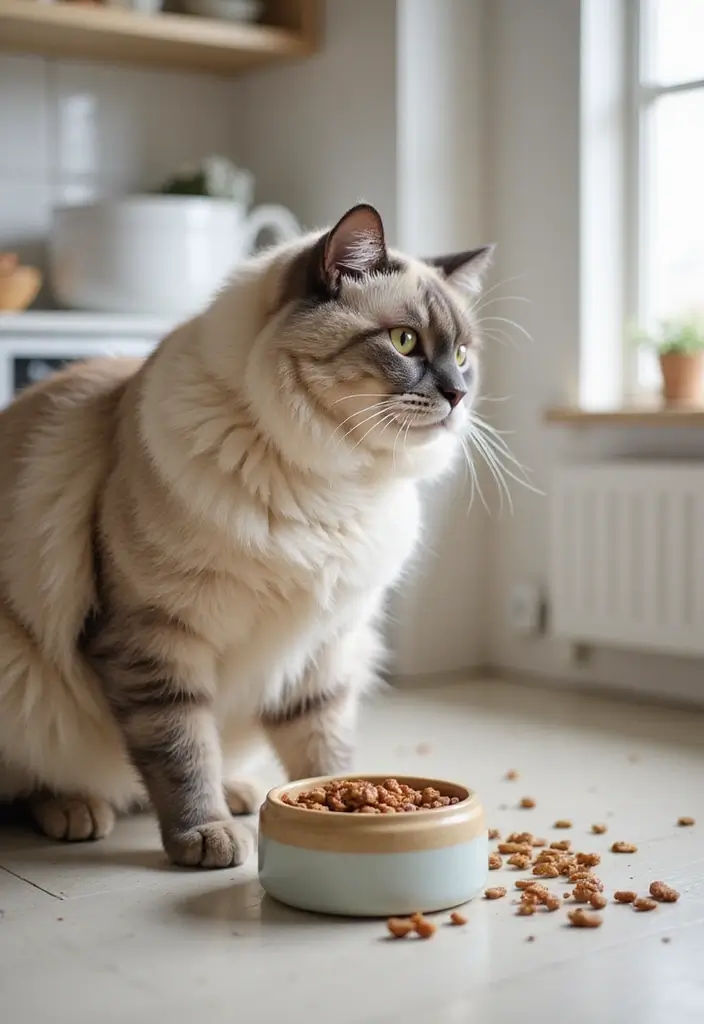
A proper diet is vital for maintaining your Siberian cat’s health and well-being. They thrive on high-protein diets that mimic their natural carnivorous instincts. Look for cat food that lists meat as the first ingredient and is free from fillers like corn and soy.
Consider their age when choosing food; kittens, adults, and seniors have different nutritional needs. Monitor their portion sizes to prevent overeating, and treat them with healthy snacks like freeze-dried meat.
– Choose high-quality, protein-rich commercial cat food
– Be mindful of portion sizes, especially for indoor cats
– Incorporate wet food for hydration and added flavor
– Avoid over-reliance on treats; use them sparingly
– Research cat food brands that meet AAFCO standards
A happy Siberian cat starts with a balanced diet! Opt for high-protein foods that respect their carnivorous nature—your furry friend will thank you with purrs and playful antics!
5. Siberian Cat Health Tips
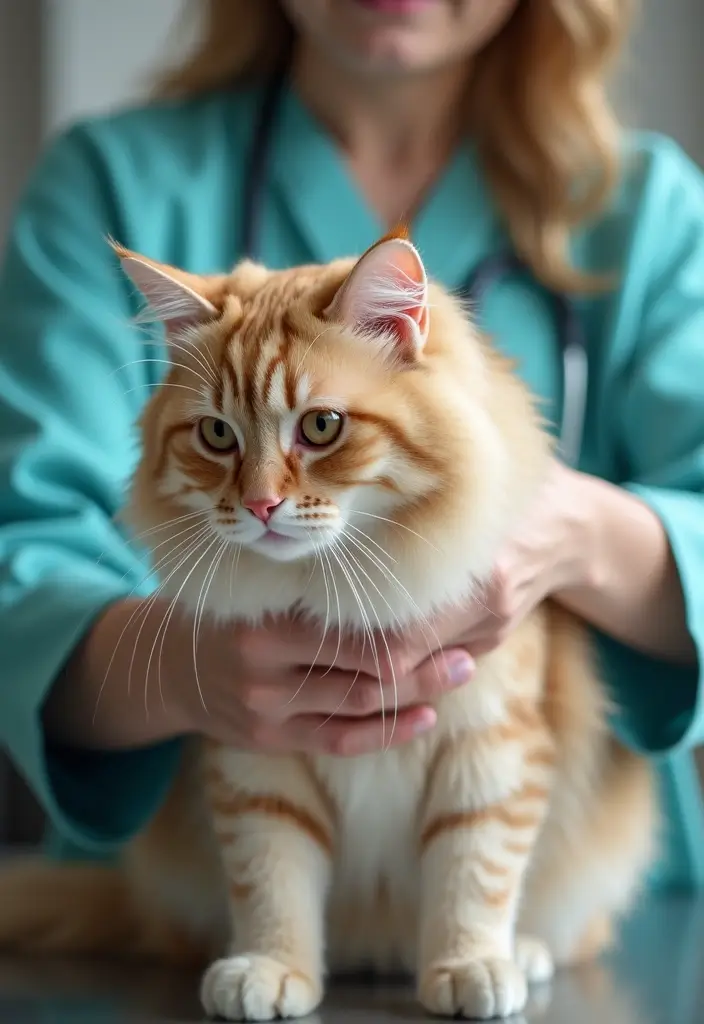
To ensure longevity and quality of life for your Siberian cat, keep an eye on common health issues. Siberians are generally healthy but can be predisposed to certain conditions like hypertrophic cardiomyopathy and diabetes. Regular vet check-ups can help detect these issues early on.
Maintain their dental health by providing dental treats or toys that encourage chewing. Their thick coats may also hide skin conditions, so always check for any unusual bumps or changes.
– Schedule annual check-ups with a vet
– Monitor dental health; consider dental treats
– Be observant of any changes in behavior or appearance
– Keep an eye on their weight; adjust diet if necessary
– Stay informed about common Siberian cat health concerns
6. Observing Siberian Cat Behavior
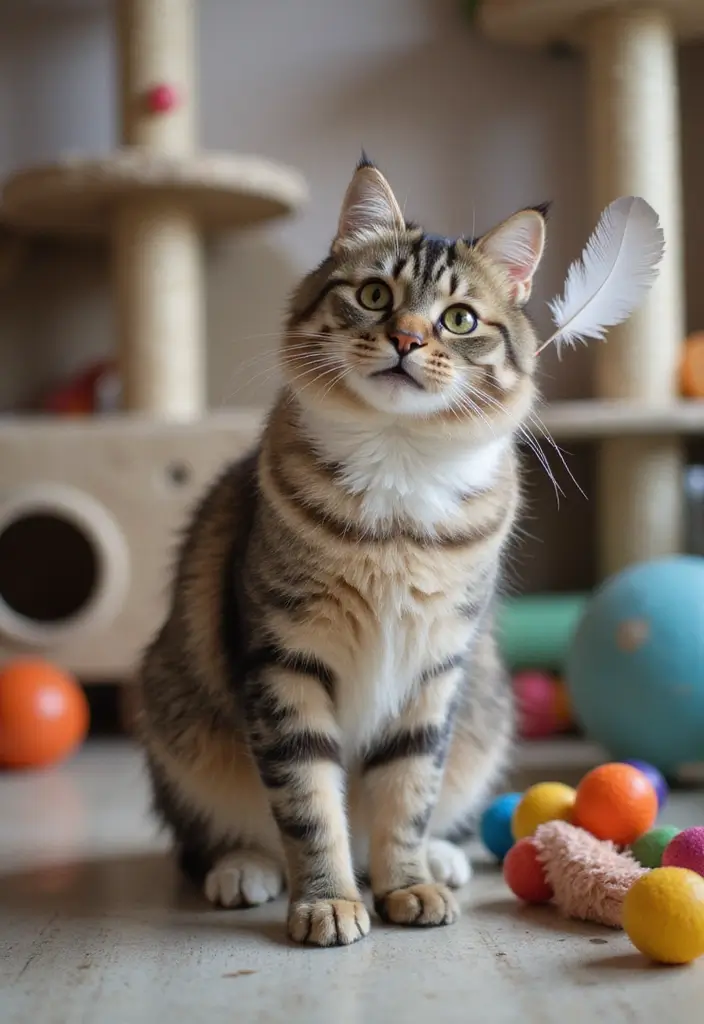
Understanding your Siberian cat’s behavior is crucial for building a strong bond. They are known for their playful antics and can often be seen engaging in spontaneous zoomies around the house. Siberians are also social cats that enjoy the company of their humans and other pets.
Be wary of signs of stress, like excessive hiding or changes in eating habits. Regular playtime will keep them happy and mentally stimulated. They love to climb, so providing vertical spaces can satisfy their natural instincts.
– Encourage social interactions with humans and pets
– Provide climbing shelves or cat trees for active play
– Be wary of stress signs; address them promptly
– Engage in daily play sessions to keep them entertained
– Observe their body language to understand mood
A happy Siberian cat is a playful one! Engaging in regular playtime and providing vertical spaces can turn your home into a feline paradise. Remember, understanding their behavior is key to a lifelong bond!
7. Creating a Safe Environment for Your Siberian Cat
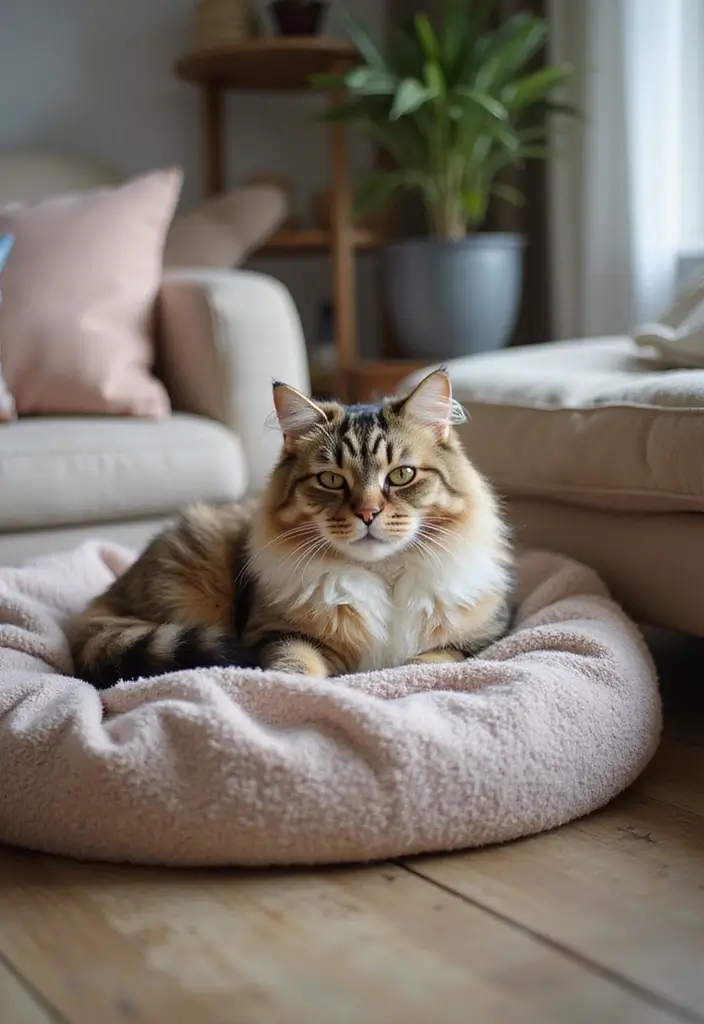
Safety should always be a top priority. To create a secure environment for your Siberian cat, begin by cat-proofing your home. Remove any toxic plants, secure loose wires, and ensure that windows and balconies are secured.
Having a designated space where they can retreat when stressed is also important; a cozy bed or a cat cave can work wonders. Also, ensure that any small objects that could be swallowed are out of reach.
– Remove any toxic plants from your home
– Secure loose cords and dangerous items
– Provide a safe, quiet space for downtime
– Keep small items out of reach to prevent choking
– Regularly check the surroundings for new hazards
8. Training Your Siberian Cat
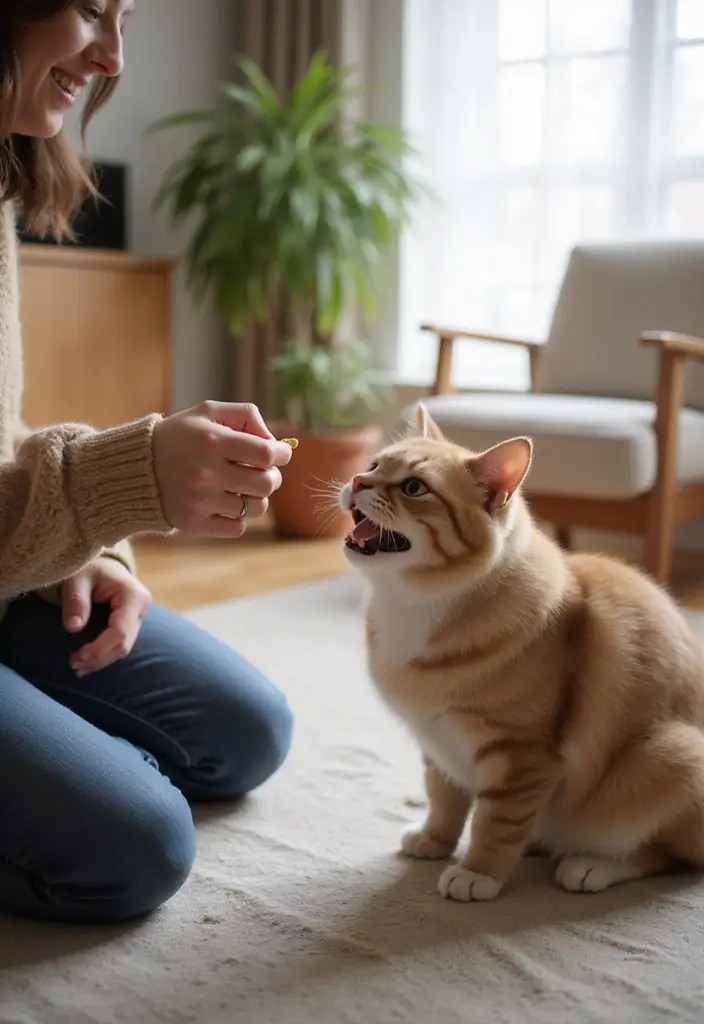
Siberian cats are intelligent and can be trained to perform various tasks and tricks. Positive reinforcement is key – rewarding them with treats when they respond correctly encourages good behavior. Start with simple commands like ‘sit’ or ‘come.’
Using clicker training can also be effective; it helps your cat associate sounds with positive outcomes. Keep training sessions short and fun to maintain their interest.
– Start with basic commands and gradually progress
– Use positive reinforcement techniques, like treats
– Keep training sessions short to prevent boredom
– Incorporate play into training for added fun
– Be patient; every cat learns at its own pace
9. Socialization is Key
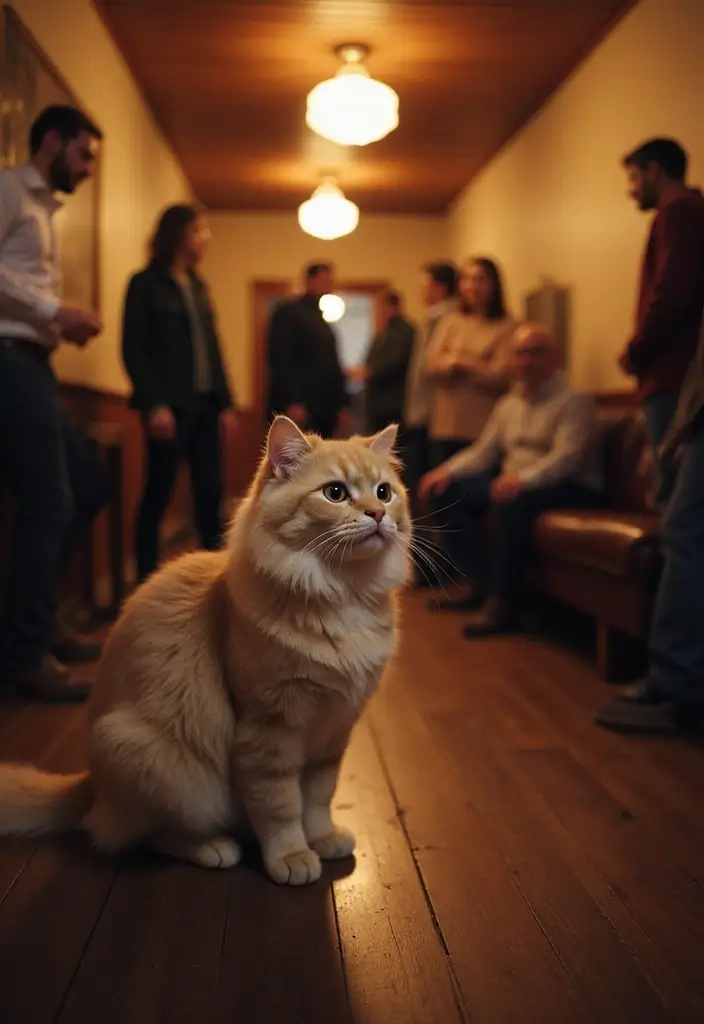
Socialization is vital for your Siberian cat to develop into a well-adjusted adult. Introduce them to various people and gentle pets from a young age to foster confidence. Gradually expose them to new experiences, such as different sounds and environments, to reduce anxiety later in life.
Regular interaction with humans will help them become affectionate companions. Hosting small gatherings where they can interact with a few people at a time can also help ease them into social settings.
– Start socialization early in life for best results
– Introduce new experiences slowly to avoid overwhelming them
– Ensure positive interactions to build confidence
– Allow them to approach new people at their own pace
– Host small gatherings for gradual exposure
10. Understanding Heat Cycles in Female Siberian Cats
If you have a female Siberian cat, understanding her heat cycles is essential. Typically, females go into heat every three weeks during breeding season, which can last several days. Signs of heat include increased vocalization, restlessness, and affectionate behaviors.
It’s crucial to be prepared for these changes, as it can affect her mood and behavior. If you’re not planning to breed, discuss spaying with your vet, as it can prevent health issues and unwanted litters.
– Recognize signs of heat in female Siberians
– Prepare for behavioral changes during heat cycles
– Discuss spaying options with your vet if breeding isn’t planned
– Consider the best timing for spaying to ensure health
– Educate yourself on the responsibilities of breeding if considering it
Understanding your female Siberian cat’s heat cycle is key! Every three weeks, her behaviors may shift—embrace the change or consider spaying for a happier, healthier kitty!
11. Looking Out for Allergies
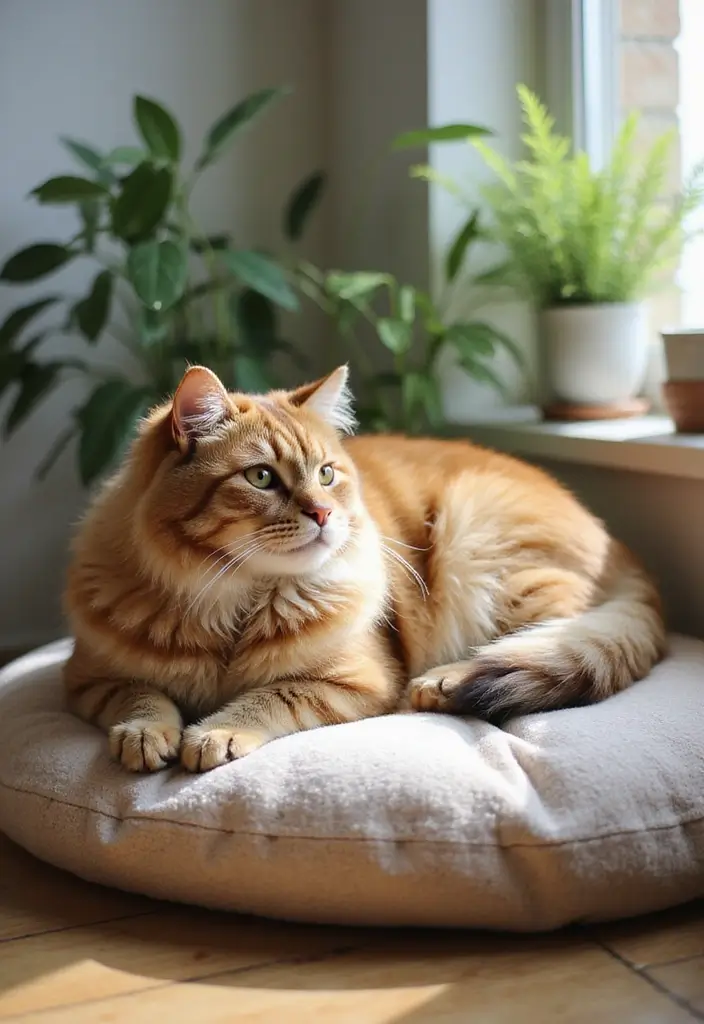
Siberian cats are often well-regarded for their lower allergen levels, making them a suitable choice for some allergy sufferers. However, they can still develop allergies to various substances, including food and environmental factors. Signs of allergies may include excessive scratching, sneezing, or digestive issues.
Keeping track of what your cat eats and any changes in behavior can help pinpoint potential allergens. Consulting your vet will provide guidance on allergy management or testing.
– Be observant of any signs of allergies
– Keep a record of food and environmental changes
– Consult your vet for allergy testing options
– Gradually introduce new foods to monitor reactions
– Identify and eliminate potential allergens in your home
12. Benefits of Regular Exercise
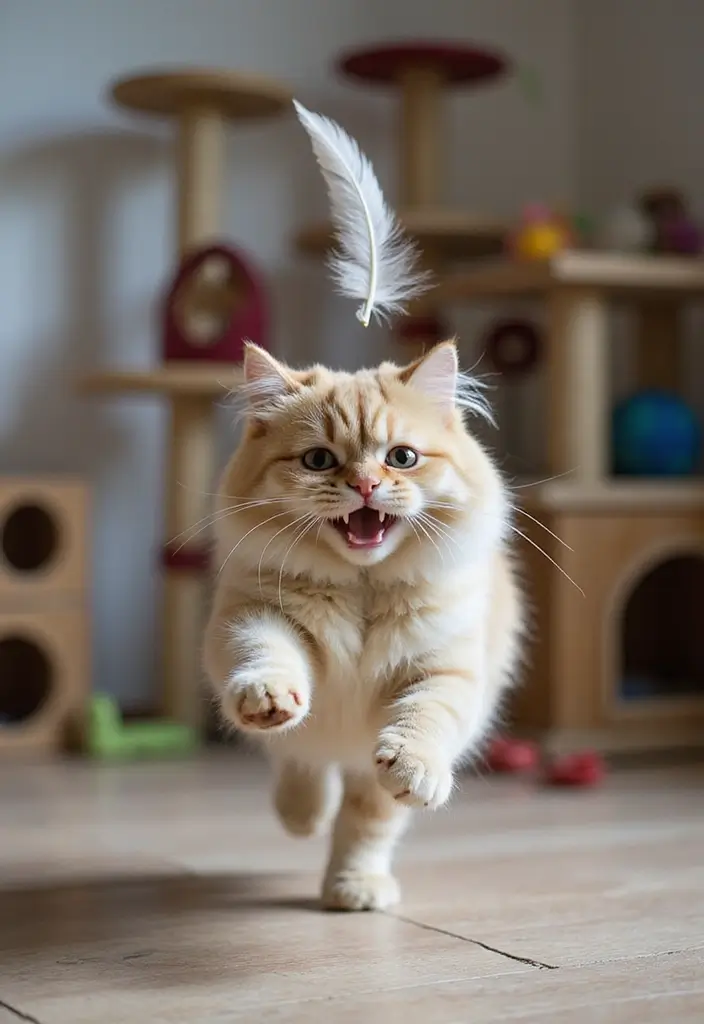
Regular exercise is essential for your Siberian cat to maintain a healthy weight and emotional balance. Engaging activities prevent boredom and encourage the cat’s natural hunting instincts. Create a stimulating environment with various toys and climbing structures to keep them active.
Consider incorporating interactive playtime into your daily routine. A laser pointer, feather wand, or puzzle feeder can stimulate their mind and body.
– Encourage daily playtime to maintain physical health
– Utilize interactive toys for mental engagement
– Create a cat-friendly environment with climbing options
– Monitor their weight to ensure they are active
– Experiment with different toys to find favorites
13. The Importance of Spaying/Neutering
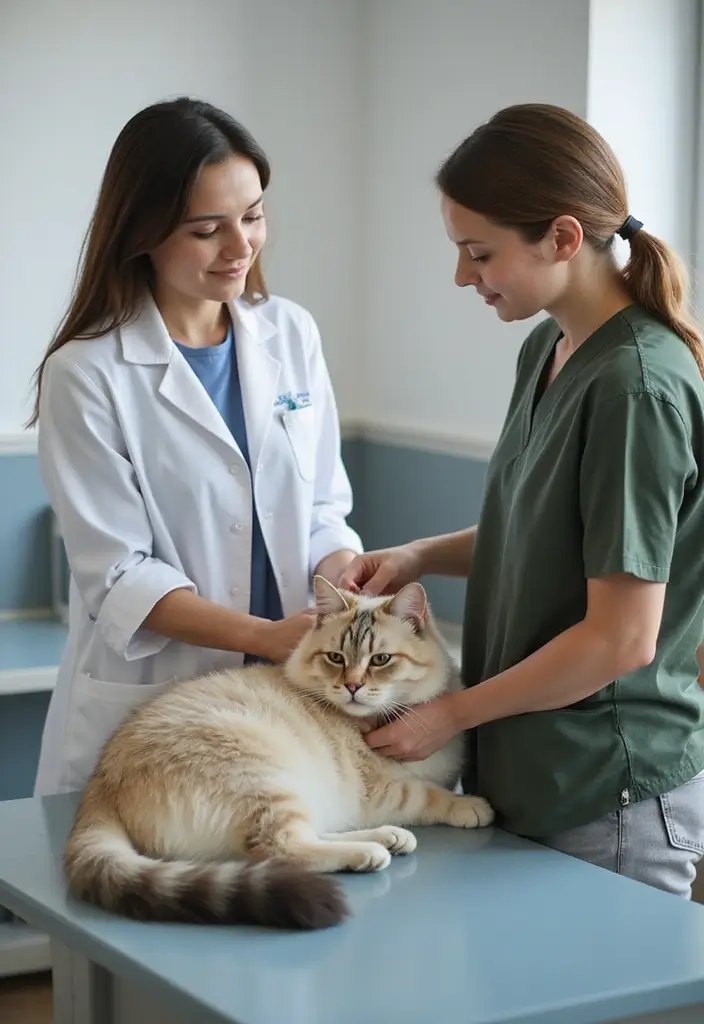
Spaying or neutering your Siberian cat is a responsible decision that contributes to their health and reduces the risk of unwanted litters. The procedure can prevent health issues such as certain cancers and behavioral problems associated with mating urges.
Discuss the timing of spaying or neutering with your vet, as it can vary based on age and health. This simple decision can lead to a happier and healthier life for your feline friend.
– Reduces the risk of reproductive health issues
– Prevents behavioral problems related to mating
– Consult with your vet for optimal timing
– Encourage responsible pet ownership in your community
– Consider the benefits of adopting from shelters to reduce overpopulation
14. Understanding and Managing Stress
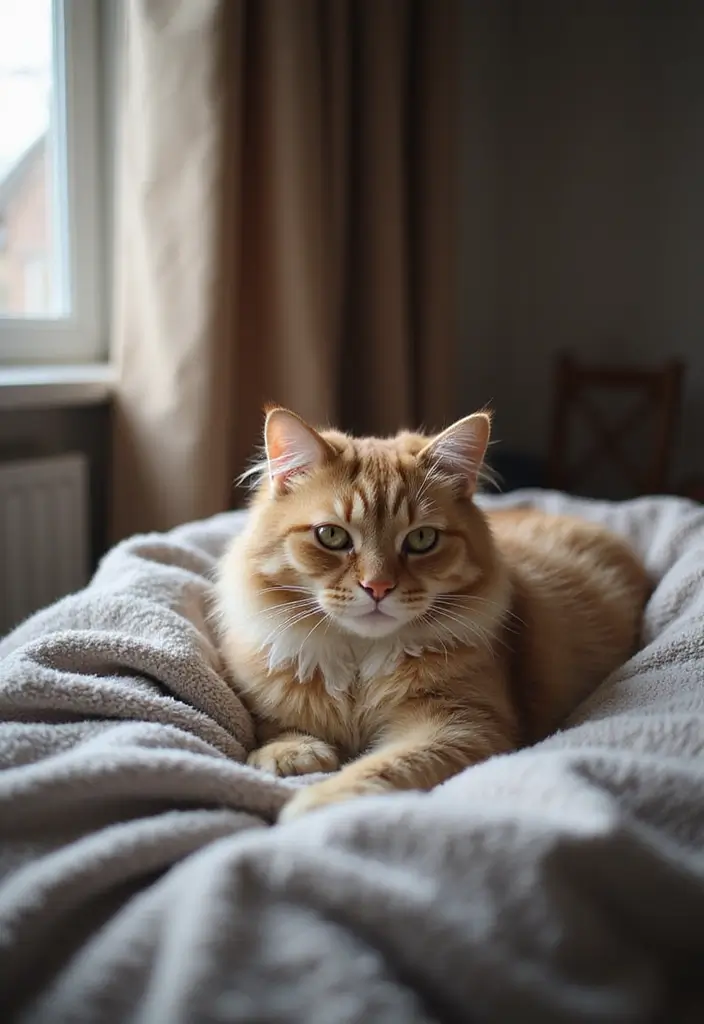
Just like humans, Siberian cats can experience stress, which can manifest as changes in behavior or health. Identify sources of stress and try to minimize them. Changes in routine, new pets, or environmental shifts can trigger anxiety.
Creating a stable environment with a consistent routine helps. Provide safe spaces where your cat can retreat when feeling overwhelmed. Recreation and gentle play can also help reduce stress levels.
– Identify potential stress triggers in the environment
– Maintain a consistent routine to provide security
– Offer safe spaces where they can retreat
– Engage in calming activities like brushing or petting
– Consult your vet if stress becomes severe or persistent
15. Innovations in Cat Care Technology

Technology is revolutionizing pet care for Siberian cats. From automatic feeders that dispense food on schedule to apps that help track health and behavior, there’s plenty to explore. Smart litter boxes can even monitor health parameters through waste analysis.
Consider investing in these gadgets to simplify your pet care routine and enhance your cat’s well-being. Be sure to research products that fit your lifestyle while ensuring they cater to your cat’s unique needs.
– Explore automatic feeders and smart litter boxes
– Use apps for tracking health and activity levels
– Stay informed about new innovations in pet care technology
– Consider devices that enhance playtime and interaction
– Ensure any technology is safe and user-friendly for your cat
16. The Role of Play in Development
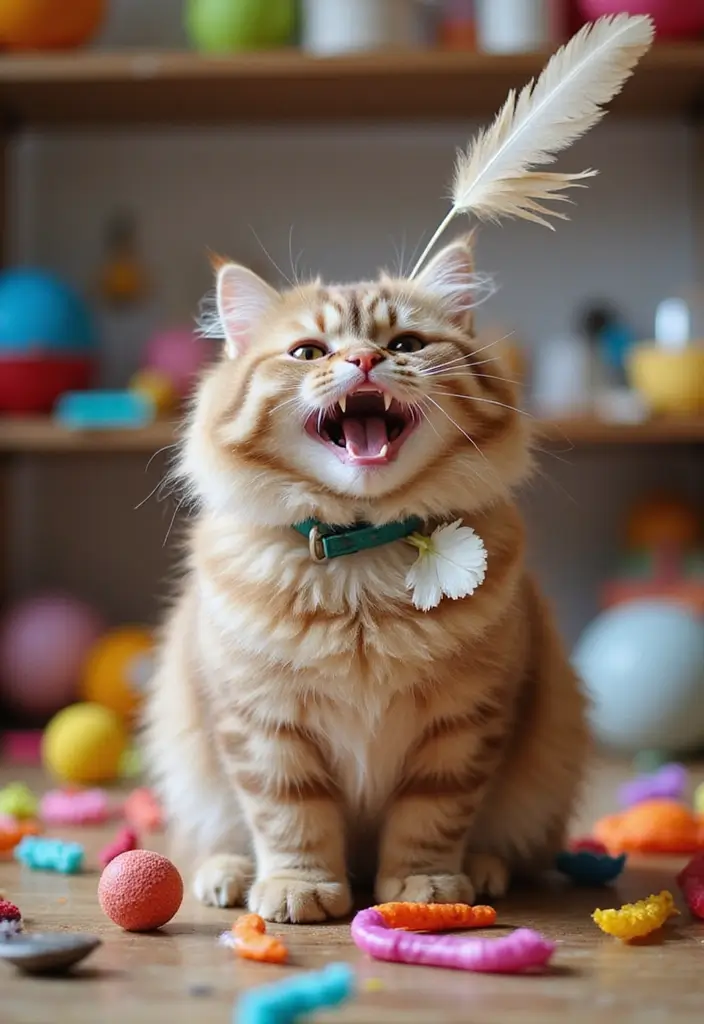
Play is vital for the physical and mental development of your Siberian cat. It helps build coordination, enhances problem-solving skills, and provides an outlet for energy. Engage your cat with a variety of toys ranging from interactive puzzle feeders to feather wands that mimic prey.
Regular playtime can prevent behavioral issues stemming from boredom while strengthening the bond between you and your feline friend. Remember to rotate toys to keep them exciting!
– Incorporate a variety of playthings to stimulate interest
– Schedule regular play sessions to bond with your cat
– Use toys that promote hunting instincts for natural play
– Rotate toys frequently to maintain excitement
– Observe play behavior for signs of preferences
17. Maintaining a Healthy Weight
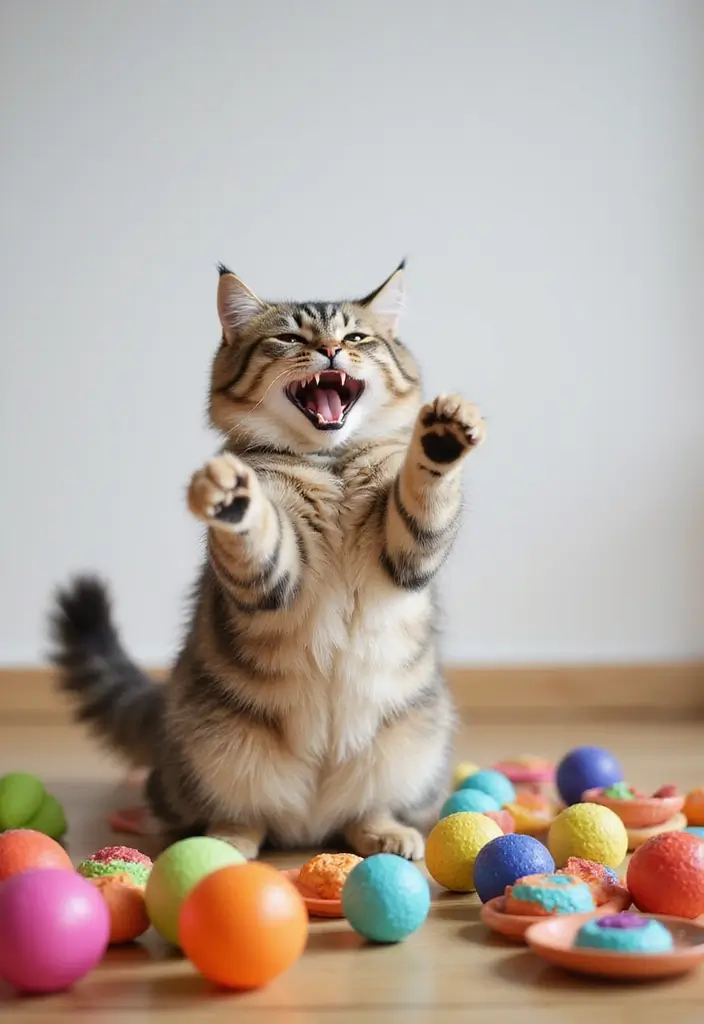
Keeping your Siberian cat at a healthy weight can prevent various health issues down the line. Monitor their food intake and ensure they are getting enough exercise through daily play. If you notice weight gain, consult your vet for dietary adjustments or exercise suggestions.
Some signs of obesity include difficulty grooming and lethargy. It’s important to address these issues swiftly to maintain a healthy lifestyle for your furry friend.
– Regularly monitor weight and adjust diet accordingly
– Engage in daily play to promote activity
– Consult your vet for personalized advice
– Watch for signs of obesity and take action promptly
– Consider weigh-ins at vet visits for tracking progress
18. Importance of Hydration
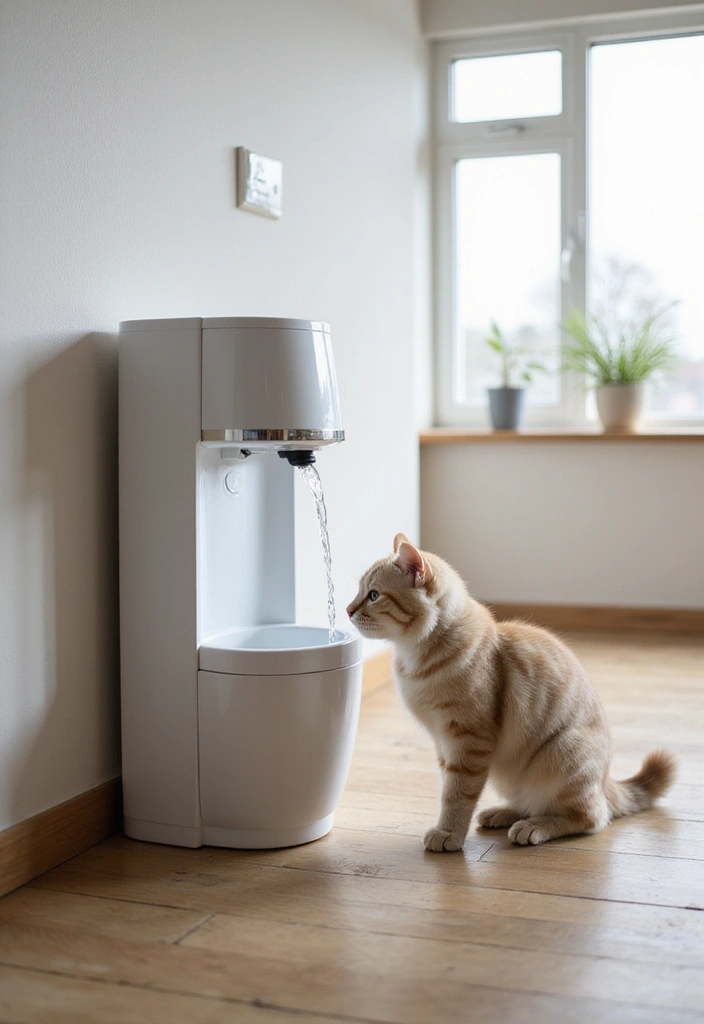
Hydration plays a crucial role in your Siberian cat’s overall health. Cats often don’t drink enough water, so consider incorporating wet food into their diet to boost hydration. An automatic water fountain can also encourage drinking due to the fresh flowing water.
Regularly check the water bowl and ensure it’s clean and fresh at all times. Monitoring their urination patterns can help track hydration levels and flag potential health issues.
– Incorporate wet food for extra hydration
– Consider an automatic fountain to encourage drinking
– Regularly clean water bowls to prevent contamination
– Monitor urination patterns for hydration assessment
– Always provide access to fresh, clean water
19. Recognizing Pain Signals
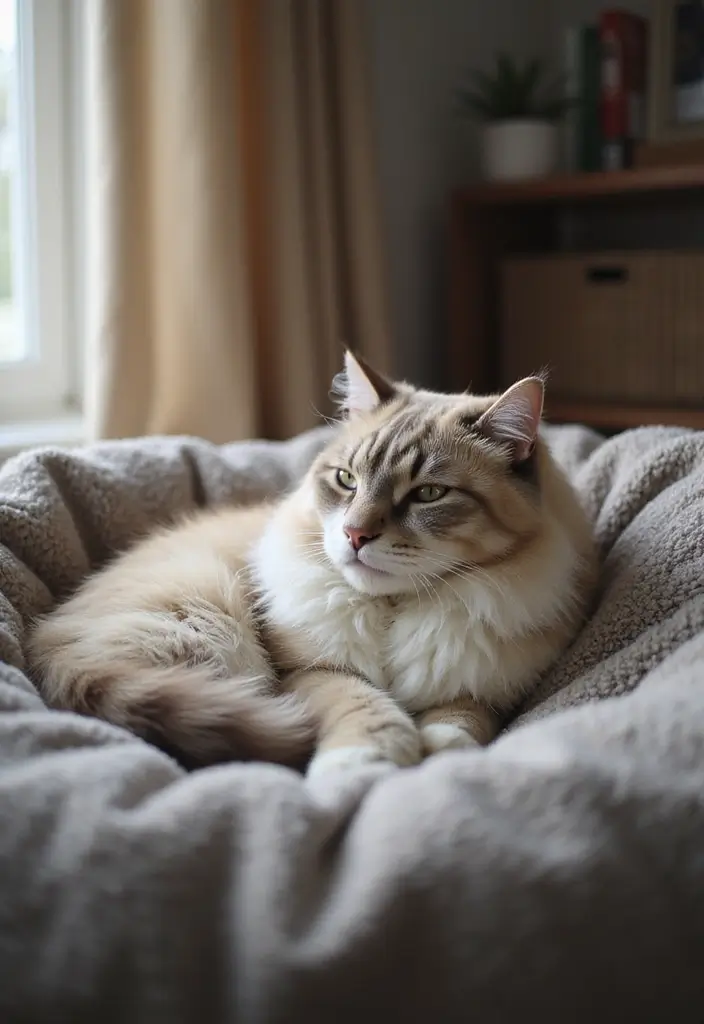
Siberian cats can be stoic, so recognizing signs of pain can be challenging. Look for changes in behavior, such as withdrawal, decreased appetite, or unusual vocalizations. Regular vet consultations and observations can help you catch potential issues early.
Watch their grooming habits; excessive grooming may indicate discomfort. Ensure your cat’s environment is comfortable to minimize stress and pain.
– Pay attention to changes in behavior or routine
– Monitor grooming habits for signs of discomfort
– Consult your vet if you suspect pain or illness
– Observe their interactions with you and other pets
– Keep their living space comfortable and stress-free
20. The Bond Between You and Your Siberian Cat
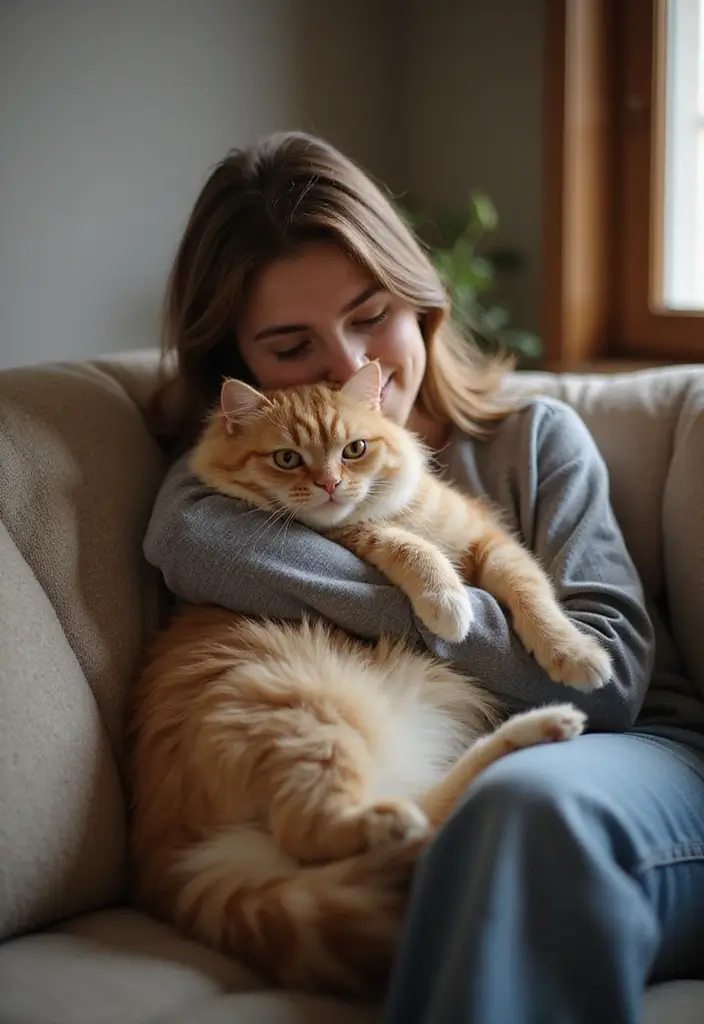
Building a strong bond with your Siberian cat can lead to a rewarding companionship. Spend time playing, cuddling, and simply being present with them. Cats appreciate routine, so try to engage with them at the same time each day.
Respect their space but also encourage interactions through gentle petting and play. Establishing a routine can help solidify your relationship and create a sense of security for your cat.
– Engage in daily play and cuddle sessions
– Establish a consistent routine for meals and play
– Be patient and respectful of their personal space
– Recognize and respond to their unique preferences
– Create a safe environment to nurture the bond
21. Common Myths about Siberian Cats
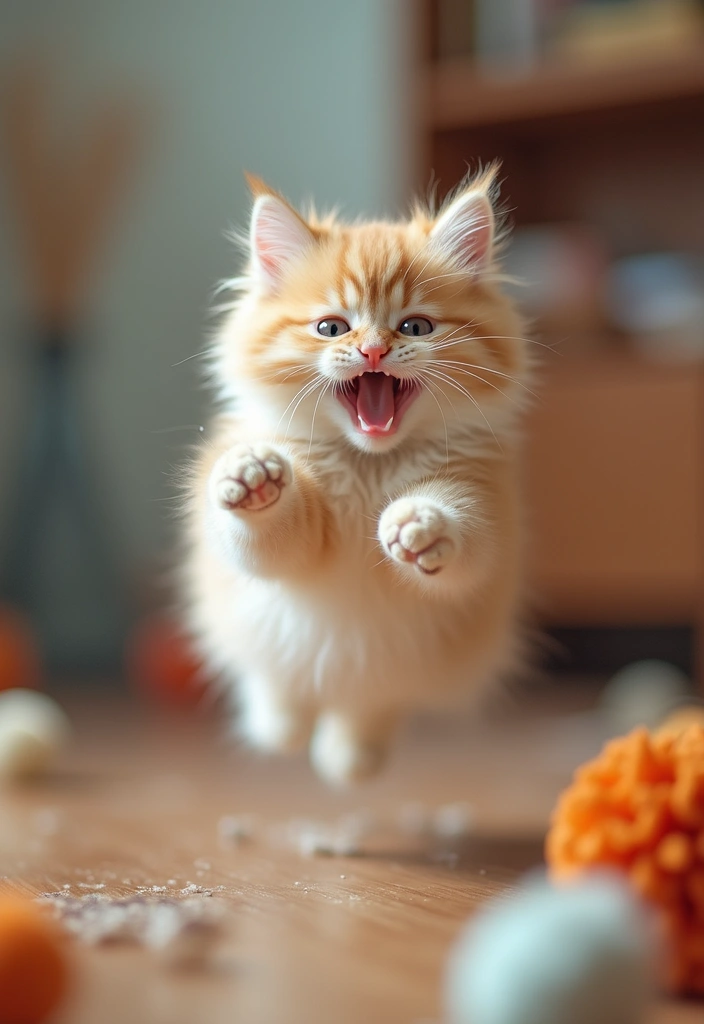
Siberian cats are often surrounded by myths that can deter potential cat owners. One common myth is that they are hypoallergenic, while some people may still experience allergies. Another myth is that Siberians are not very active; in reality, they are playful and adventurous!
Educating yourself and potential adopters about the real characteristics of Siberians can encourage responsible ownership and address misconceptions. Learn to appreciate their true nature and behavior.
– Dispel myths about hypoallergenic qualities
– Share facts about their active and playful nature
– Educate others to promote responsible pet ownership
– Be aware of misconceptions that might hinder adoption
– Understand the true needs of Siberian cats to provide the best care
Don’t let myths hold you back! Siberian cats are playful explorers, not just hypoallergenic companions. Embrace their unique spirit and educate others about their true nature!
22. Choosing the Right Veterinarian
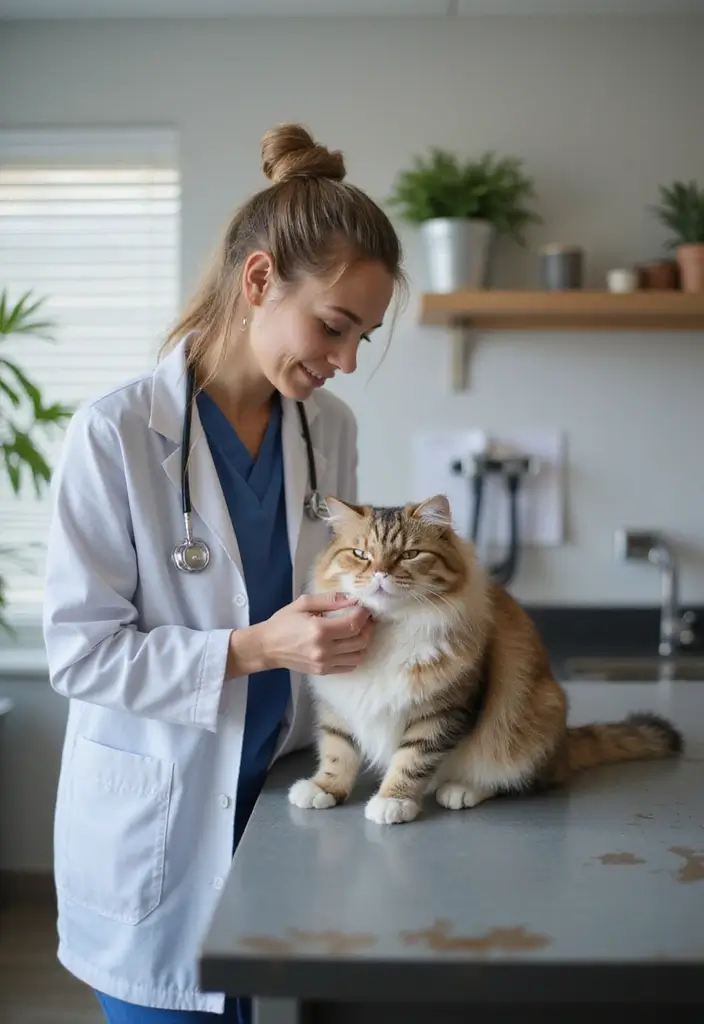
Finding the right veterinarian is vital for the health and well-being of your Siberian cat. Look for a vet who understands feline behavior and has experience with the breed. Ask fellow cat owners for recommendations, and consider visiting potential clinics beforehand.
A good vet should prioritize preventative care and be open to your questions. Building a trusting relationship with your veterinarian will ensure your cat’s health and safety.
– Seek recommendations from other pet owners
– Visit clinics to find a good fit for you and your cat
– Ask about their experience with Siberians
– Ensure they emphasize preventative care and education
– Build a trusting relationship for ongoing care
23. Enrichment Activities for Siberian Cats

Siberian cats thrive on mental and physical stimulation. Offering enrichment activities can help keep their minds sharp and bodies healthy. Consider interactive toys, puzzle feeders, or even teaching them new tricks as forms of enrichment. Rotate toys regularly to maintain their interest.
Spend time engaging with them through games or setting up an obstacle course. This effort fosters a fulfilling environment that enhances their quality of life.
– Use interactive toys and puzzle feeders for mental stimulation
– Create an obstacle course for physical engagement
– Spend quality time playing and bonding
– Rotate toys frequently to keep them fresh and exciting
– Challenge their problem-solving skills with new activities
24. Adopting a Siberian Cat
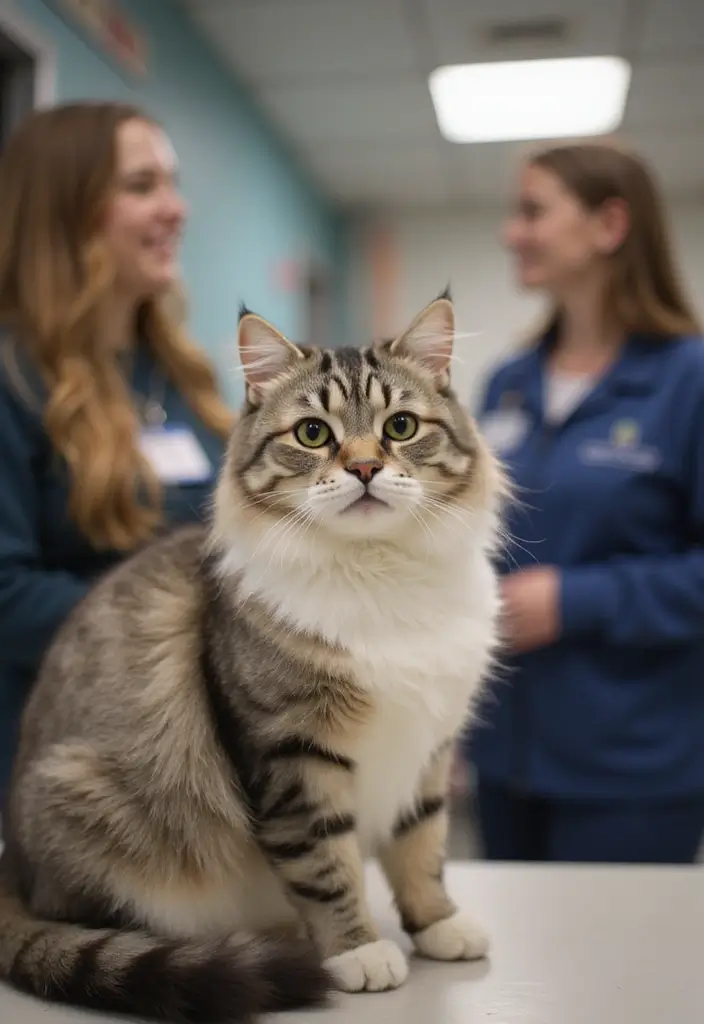
If you’re considering adding a Siberian cat to your family, ensure you are ready for the commitment. Research reputable breeders or consider adopting from shelters that have Siberians. Understanding the costs associated with their care, including food, vet visits, and grooming, is essential.
Once you’ve made the decision, be prepared to offer a safe environment and the love they crave. Remember, adopting a pet is a lifelong commitment!
– Research reputable breeders and shelters for adoption
– Understand the costs involved in Siberian cat care
– Be ready for the commitment of pet ownership
– Provide a safe and loving environment for your new friend
– Consider adopting to give a cat a second chance
25. The Joy of Owning a Siberian Cat

Owning a Siberian cat is a rewarding experience filled with joy, laughter, and companionship. Their playful antics and affectionate nature bring happiness to households. With proper care, your Siberian can lead a long, healthy life, becoming a cherished family member.
The love they offer is immeasurable, and each day with them is a new adventure waiting to unfold. Embrace the journey of cat ownership and enjoy the unconditional love that a Siberian cat provides!
– Celebrate the bond you share with your Siberian cat
– Cherish the playfulness and affection they bring into your life
– Document special moments to remember your journey together
– Share your experience with fellow cat owners
– Explore the endless joy of having a feline friend
Conclusion
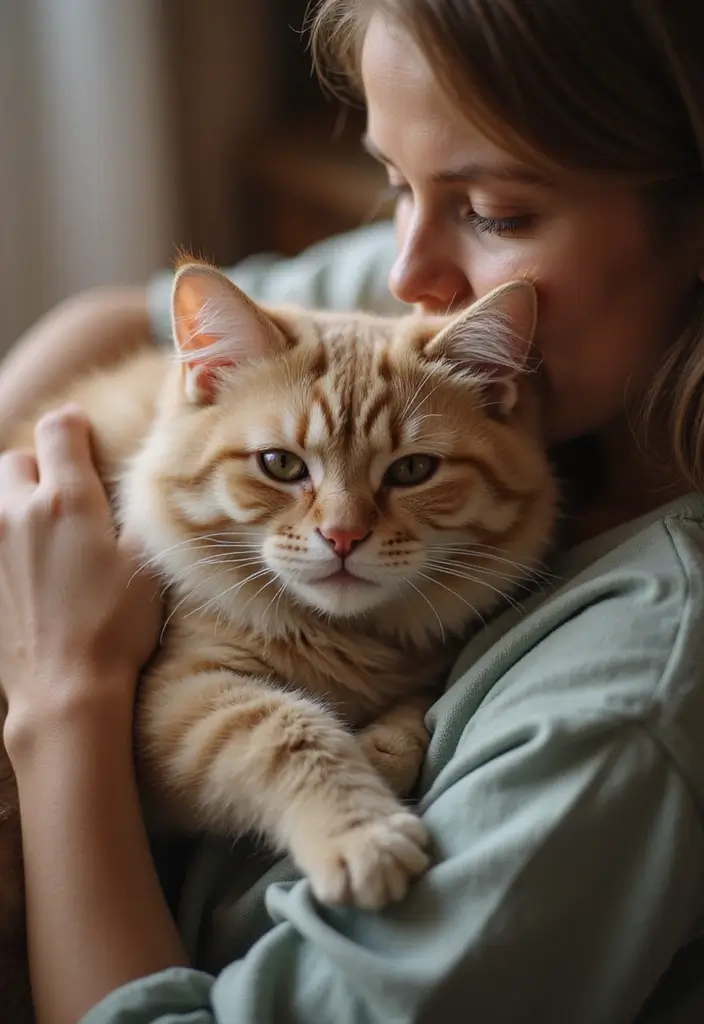
Caring for a Siberian cat is a delightful journey filled with unique moments and deep connections. By understanding their needs and providing tailored care, you can ensure they thrive in your home. Embrace the joy and responsibility of pet ownership, and your Siberian will reward you with love and companionship in return!
Share your experiences and tips with fellow cat lovers; every bit of knowledge helps create a thriving community of happy Siberian cats!
Frequently Asked Questions
What are the unique characteristics of Siberian cats?
Siberian cats are known for their stunning appearance and charming personalities. They often have tufted ears, striking blue or green eyes, and a luxurious, thick coat that helps them adapt to cold climates. These cats are also incredibly affectionate and social, making them wonderful companions for families and individuals alike.
Additionally, they are known for their playful nature and intelligence, often engaging in interactive play and forming strong bonds with their humans.
How often should I groom my Siberian cat?
Grooming your Siberian cat is essential due to their thick, triple-layer coat. It’s recommended to brush them at least once a week to prevent mats and tangles. During shedding season, you might want to increase grooming to two or three times a week to manage the amount of fur they lose.
Regular grooming not only keeps their coat looking beautiful but also allows you to check for any skin issues or parasites, ensuring your cat stays healthy and comfortable.
What are some common health tips for Siberian cats?
To keep your Siberian cat healthy and thriving, regular vet visits are crucial. Monitor their weight and diet closely, as they thrive on a high-protein diet that mimics their natural carnivorous instincts. It’s also vital to keep an eye out for common health issues like hypertrophic cardiomyopathy. Maintaining a healthy weight and ensuring they stay hydrated are essential for their overall well-being. Consider incorporating wet food into their diet to boost hydration levels.
Lastly, don’t forget to keep their environment safe and stress-free!
How can I better understand my Siberian cat’s behavior?
Understanding your Siberian cat’s behavior can greatly enhance your bond with them. These cats are known for their playful antics and curious nature, often engaging in spontaneous zoomies around the house. Pay attention to their body language and vocalizations to gauge their mood. For example, a relaxed cat may knead or purr, while a more agitated one might swat or hiss.
Engage in regular playtime to stimulate their minds and bodies, helping reduce boredom and destructive behavior. The more time you spend observing and interacting with your Siberian, the better you’ll understand their unique personality!
What should I consider when adopting a Siberian cat?
Adopting a Siberian cat is a wonderful decision, but it’s important to prepare for the commitment. Research reputable breeders or consider adopting from shelters that specialize in this breed. Ensure you have the right environment for them—Siberians are active and playful, so they need space to roam and explore.
Be ready for grooming and health care needs, as their thick fur and health monitoring are vital aspects of their care. Lastly, spend time learning about their behavior and characteristics to ensure you can provide a loving and nurturing home for your new furry friend!
Related Topics
Siberian cat care cat grooming tips Siberian cat health Siberian cat behavior pet nutrition cat training Siberian cat characteristics allergy-friendly cats Siberian cat adoption cat enrichment activities veterinarian advice beginner cat owner