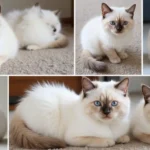
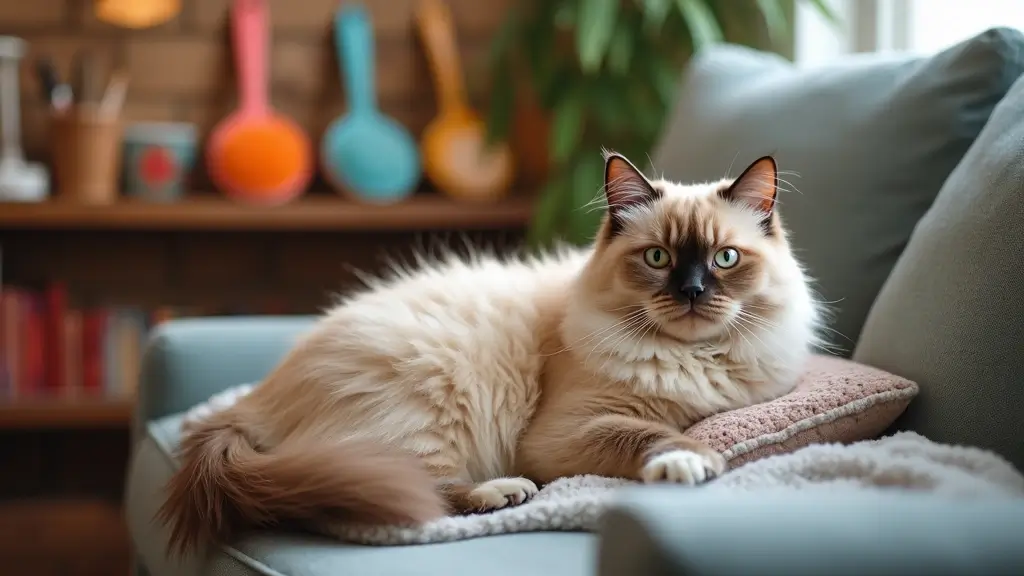
Owning a Himalayan cat is like having a fluffy angel in your home. These beautiful long-haired breeds require extra attention and care to keep their luxurious coats and charming personalities in top shape.
From grooming routines to health tips, navigating the lush world of Himalayan cat care can seem overwhelming. But with the right guidance and a little love, you can ensure your feline friend thrives and shines. This guide will provide you with essential grooming techniques, health insights, and practical care strategies tailored for Himalayan cats. Let’s bring out the best in these enchanting furballs!
1. Understanding the Breed
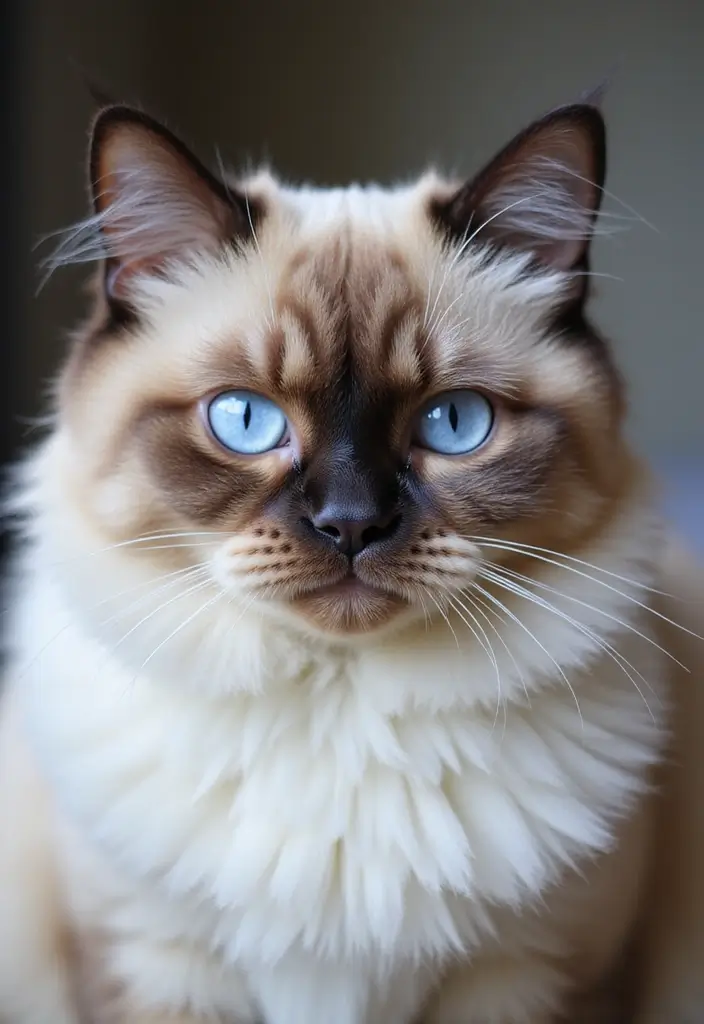
Before diving into grooming, it’s vital to understand the unique characteristics of Himalayan cats. Known for their stunning blue eyes and long, silky coats, these cats are hybrids between Persians and Siamese. Their affectionate nature makes them excellent companions, but their coat requires diligence to maintain.
Himalayans are generally calm and enjoy a relaxed lifestyle, making them suitable for indoor living. It’s crucial to understand that their coats can become matted if not cared for properly. Regular grooming helps prevent this, ensuring your feline stays comfortable and looks fabulous.
Key points to consider include:
– Their coat type: fine undercoat with a long topcoat.
– Potential health issues: Himalayan cats can be prone to respiratory problems due to their flat faces.
– Understanding their personality traits for better interaction.
When you embrace their traits, you’ll be better prepared to give them the care they deserve.
2. Essential Grooming Tools
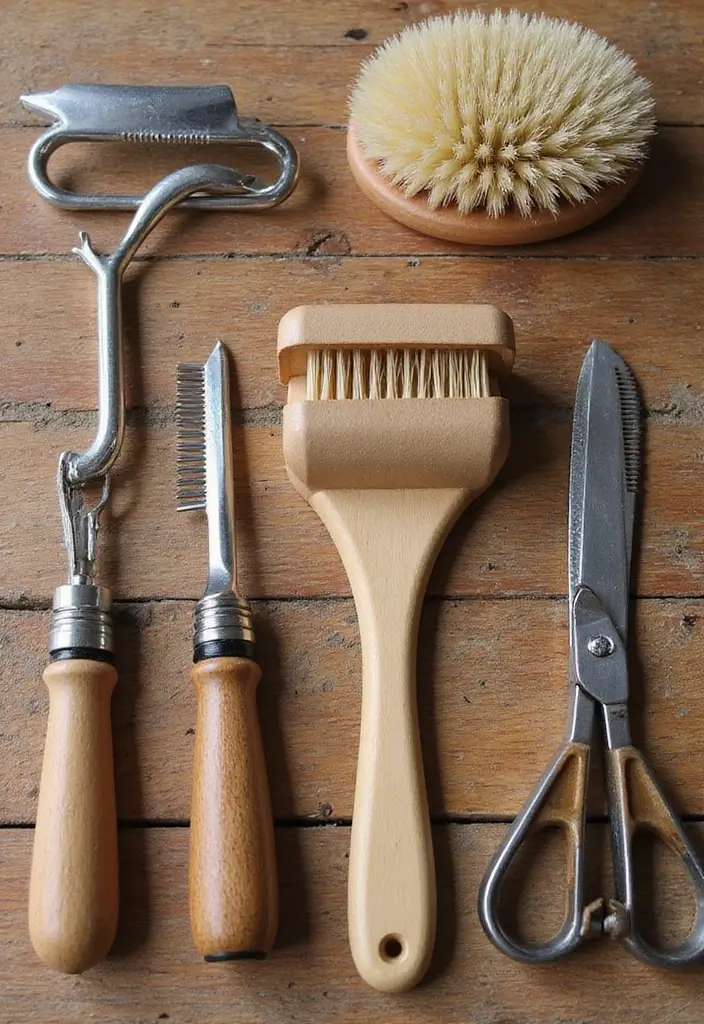
Having the right tools is half the battle in grooming your Himalayan cat. Invest in quality brushes designed for long-haired breeds, such as a wide-toothed comb and a slicker brush. Each tool serves a unique purpose, helping you tackle tangles, loose fur, and overall cleanliness.
Here’s a quick rundown of must-have tools:
– Slicker brush: Perfect for removing mats and tangles without damaging the coat.
– Wide-toothed comb: Great for detangling and smoothing out the fur.
– Cat nail clippers: Essential for maintaining those sharp claws, preventing overgrowth.
– Cat-friendly shampoo: Use it during baths to keep their fur clean and soft.
– Lint roller: Handy for quick clean-ups around the house.
Being prepared with these tools will make grooming sessions more enjoyable for both you and your cat.
3. The Importance of Regular Grooming
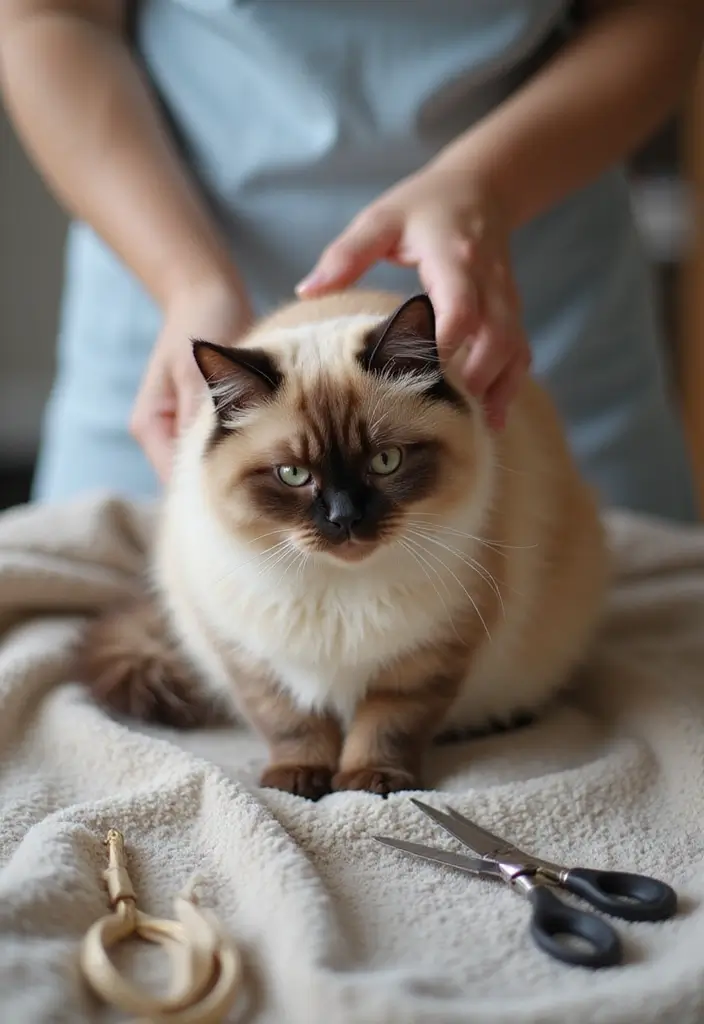
Regular grooming is crucial for the overall health and well-being of your Himalayan cat. A consistent grooming routine can prevent mats and tangles, reduce shedding, and promote a healthy coat. Aim for at least three to four grooming sessions per week, depending on your cat’s coat condition.
During these sessions, you’ll be able to check for skin issues, fleas, or any unusual lumps. Early detection of any health concerns can lead to faster treatment.
Additionally, grooming is an excellent bonding activity, enhancing the trust between you and your cat.
Consider these points:
– Regular grooming helps minimize hairballs.
– Establish a routine to make your cat comfortable.
– Use positive reinforcement, like treats, to encourage cooperation.
With patience and consistency, grooming can become a delightful part of your cat-care routine.
4. Bathing Basics
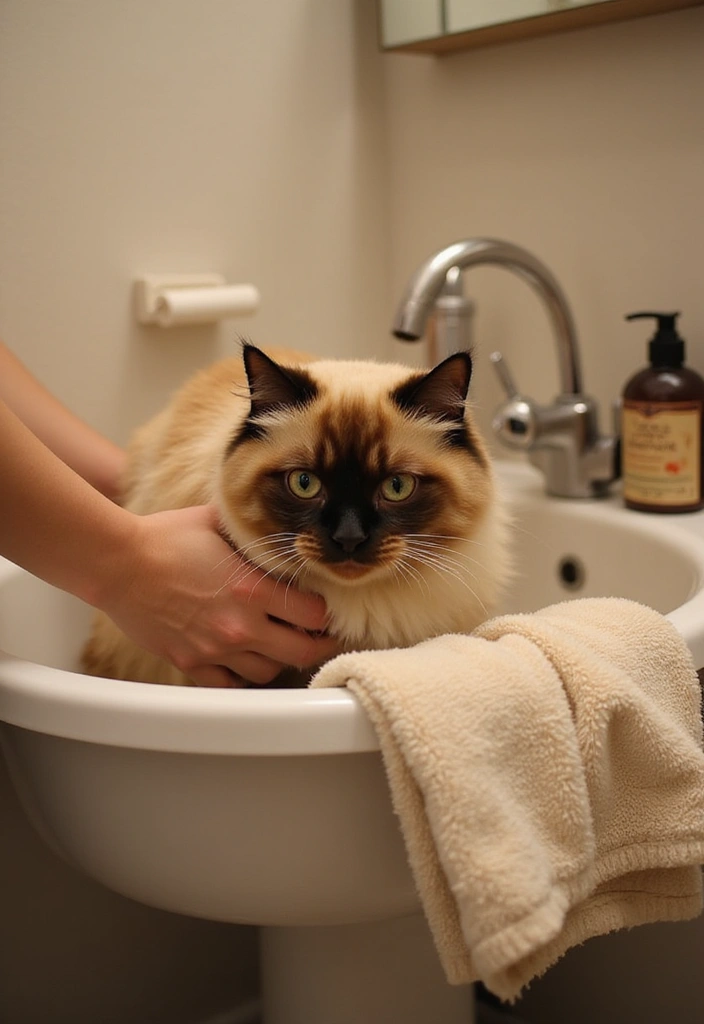
Bathing your Himalayan cat might sound daunting, but it’s an essential part of their grooming routine. Cats generally groom themselves, but they may need an occasional bath, especially if they get into something messy or have a strong odor.
Choose a cat-friendly shampoo that won’t irritate their skin and follow these steps:
1. Prepare the Bath: Fill a basin or sink with lukewarm water, ensuring it’s not too deep to scare your cat.
2. Wet the Coat: Gently wet your cat’s fur, avoiding their face.
3. Shampoo: Apply the shampoo and lather well, focusing on the body while avoiding the eyes and ears.
4. Rinse Thoroughly: Ensure no soap is left behind to prevent skin irritation.
5. Drying: Use a towel to gently dry your cat, or consider a low-heat setting with a hairdryer, keeping it at a safe distance.
Bathing can be intimidating, but with practice, it can become a manageable task.
5. Dealing with Mats
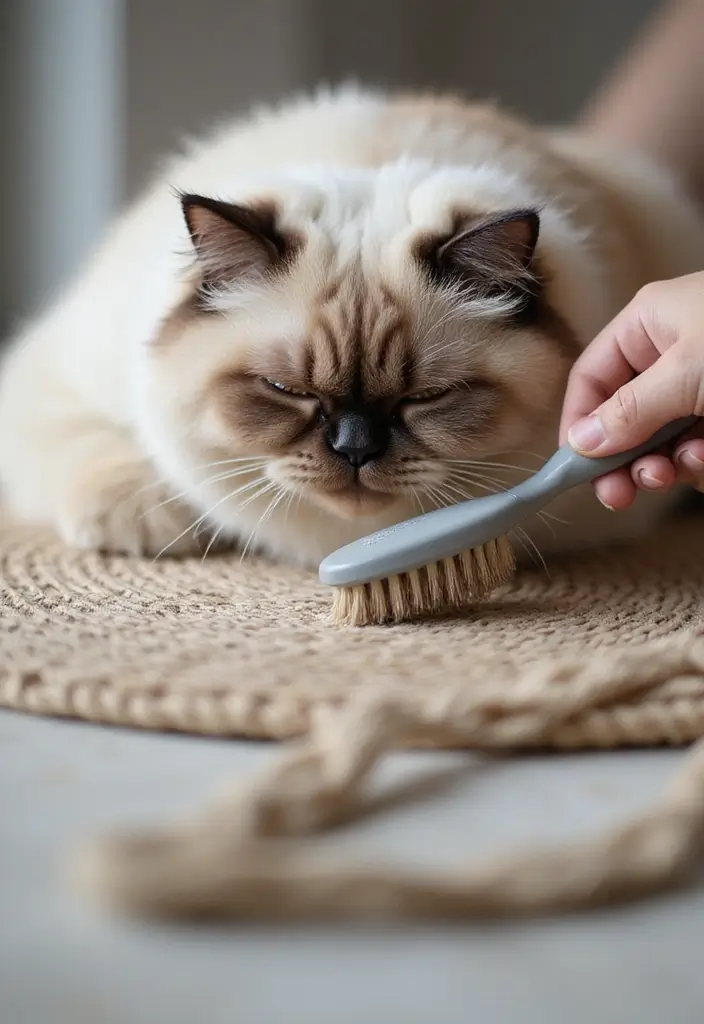
Mats are a common concern for Himalayan cats due to their long fur. They can form quickly, especially in areas that are frequently groomed less, like under the armpits and around the collar. If left untreated, mats can pull at the skin and cause discomfort.
To tackle this, use a combination of techniques:
– Slicker brush: Start with this to detangle the fur gently.
– Wide-toothed comb: Follow up with this for finer grooming.
– Mat splitter: If a mat is particularly stubborn, this tool can help safely remove it.
In severe cases, it might be best to consult a professional groomer. Regular grooming and attention can prevent mats from forming in the first place.
Keep an eye on high-risk areas and pamper your kitty with lots of love during grooming sessions.
6. Nail Care Essentials
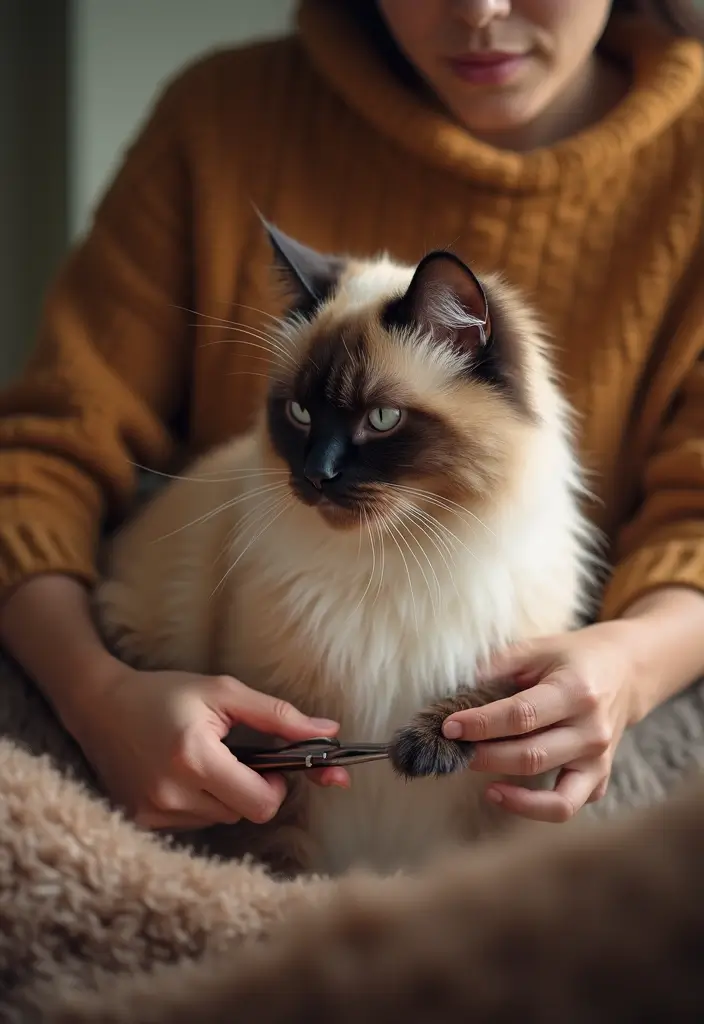
Nail care might not be the most glamorous part of grooming, but it’s essential for your Himalayan cat’s health. Overgrown nails can lead to discomfort and medical problems. Aim to trim your cat’s nails every few weeks.
Here are some simple steps to follow:
1. Get the Right Tools: Use specialized cat nail clippers, which are designed to avoid splitting the nail.
2. Choose the Right Time: Groom when your cat is calm, after playtime or during a quiet moment.
3. Clip Carefully: Hold the paw gently, press the pad slightly to extend the claw, and clip the sharp tip, avoiding the quick (the pink part within the nail).
4. Reward: After each successful trimming session, reward your cat with a treat or extra affection to create positive associations.
If you’re not comfortable trimming nails, your vet or a professional groomer can help.
7. Ear and Eye Cleaning
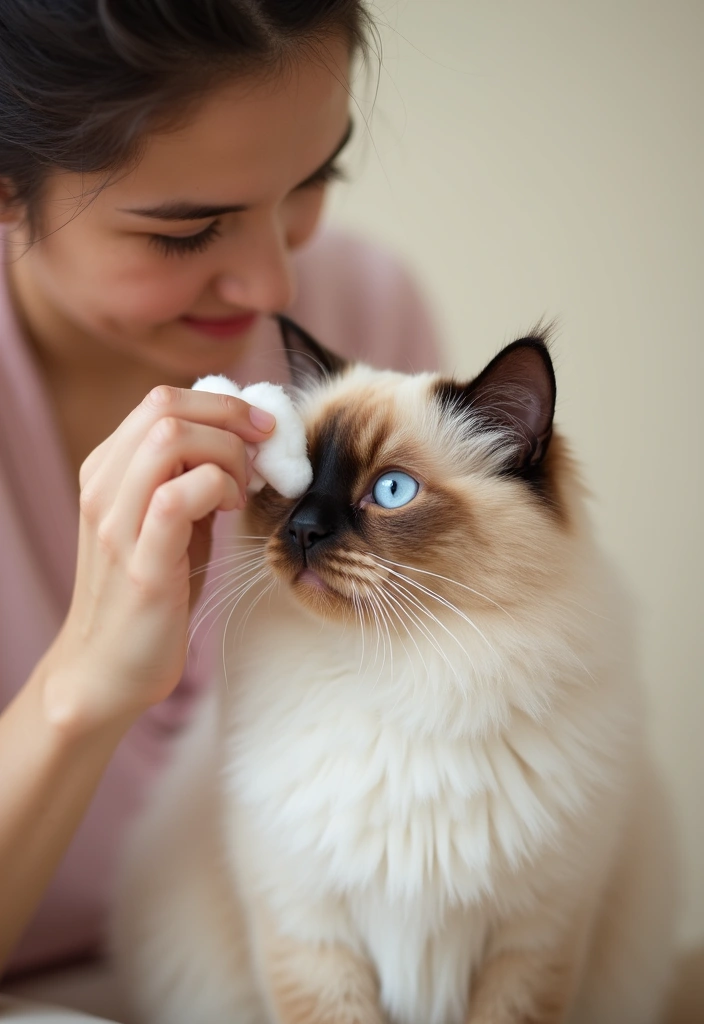
Himalayan cats can be prone to eye discharge and ear wax buildup. Regular cleaning helps prevent infections and keeps them looking pristine. For eye care, use a damp cotton ball or pad to gently wipe away any discharge, always starting from the corner of the eye and moving outwards.
When caring for the ears, follow these steps:
1. Check the Ears: Look for dirt, wax, or any signs of irritation.
2. Clean Gently: Use a cotton ball slightly dampened with veterinary-approved ear cleaner to wipe the outer ear, avoiding the ear canal.
3. Reward Your Cat: Make this a positive experience by giving treats or extra pets.
Regular checks can lead to a healthier and happier kitty!
8. Creating a Comfortable Grooming Environment
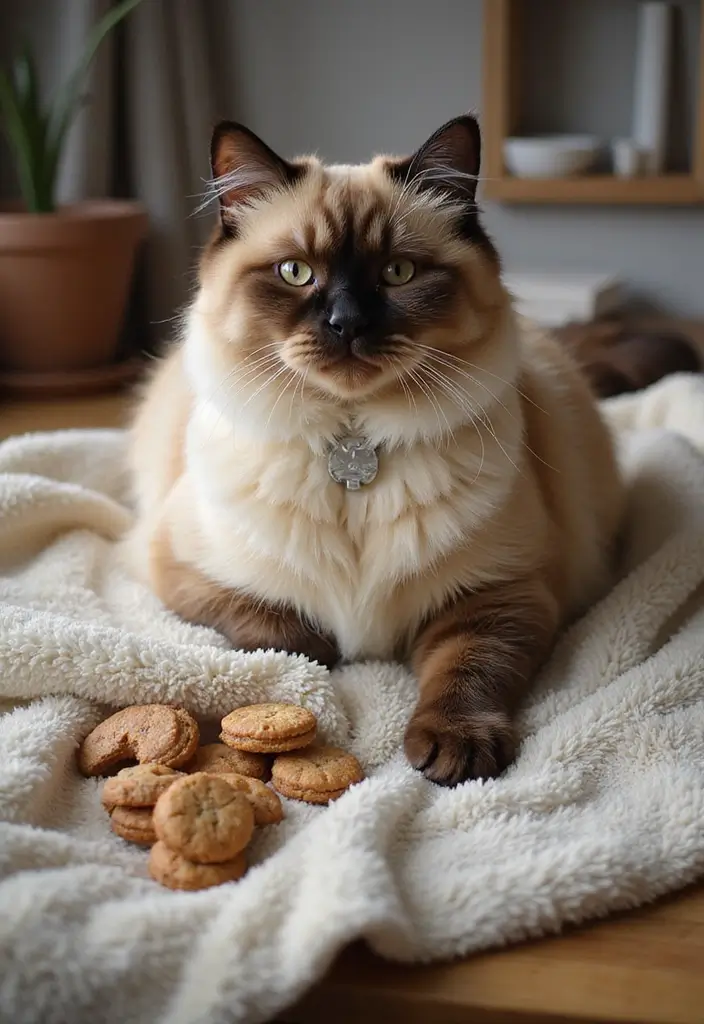
The environment where you groom your Himalayan cat can significantly impact their comfort level. Make sure to choose a quiet, calm space free from distractions. Soft surfaces like blankets or pillows can make your cat feel at ease during grooming sessions.
Consider adding these elements to enhance the experience:
– Treats: Keep some tasty cat treats handy during grooming for positive reinforcement.
– Comfortable Location: Groom them on a stable surface where they feel secure.
– Calm Atmosphere: Play soft music or use scents that are soothing to cats, like lavender.
Establishing a serene grooming space can help reduce anxiety, making the process smoother for both you and your kitty.
9. Feeding for Health and Well-Being

A healthy diet is paramount for the overall well-being of your Himalayan cat. Choose high-quality cat food that meets their nutritional needs, focusing on protein, healthy fats, and essential vitamins. Since Himalayan cats are prone to obesity, portion control is also vital.
Key dietary tips include:
– Wet food: Incorporate wet food into their diet to promote hydration and maintain a healthy coat.
– Balanced diet: Ensure the food contains a mix of protein sources, vitamins, and minerals.
– Regular feeding schedule: Stick to set meal times to establish a routine.
Consult your vet for food recommendations tailored to your cat’s age, weight, and health needs. A well-nourished cat is a vibrant and happy companion!
10. Hydration Matters
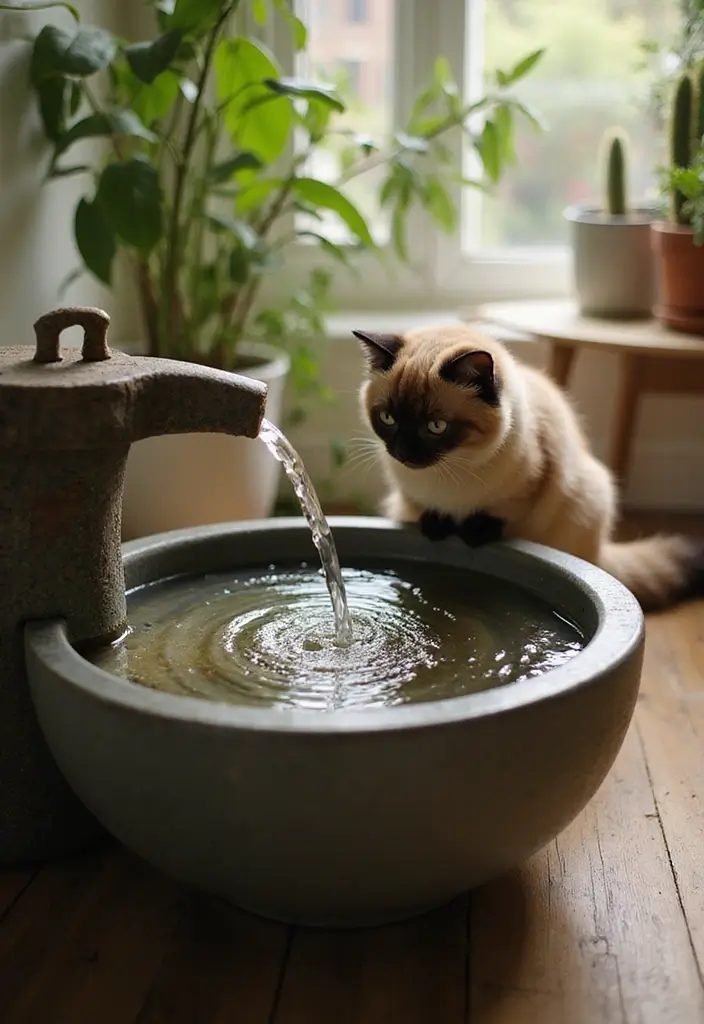
Hydration is crucial for your Himalayan cat’s health, particularly for their coat and general well-being. Cats, in general, can be picky drinkers, so it’s essential to encourage them to drink enough water.
Here are some tips to promote hydration:
– Fresh water daily: Always provide clean, fresh water in a shallow bowl.
– Water fountains: Consider a pet water fountain, as many cats are attracted to running water.
– Wet food: Incorporate wet food into their diet, which can add to their total water intake.
Keeping your cat hydrated can prevent urinary tract issues and promote a shiny, healthy coat.
11. Regular Veterinary Check-Ups
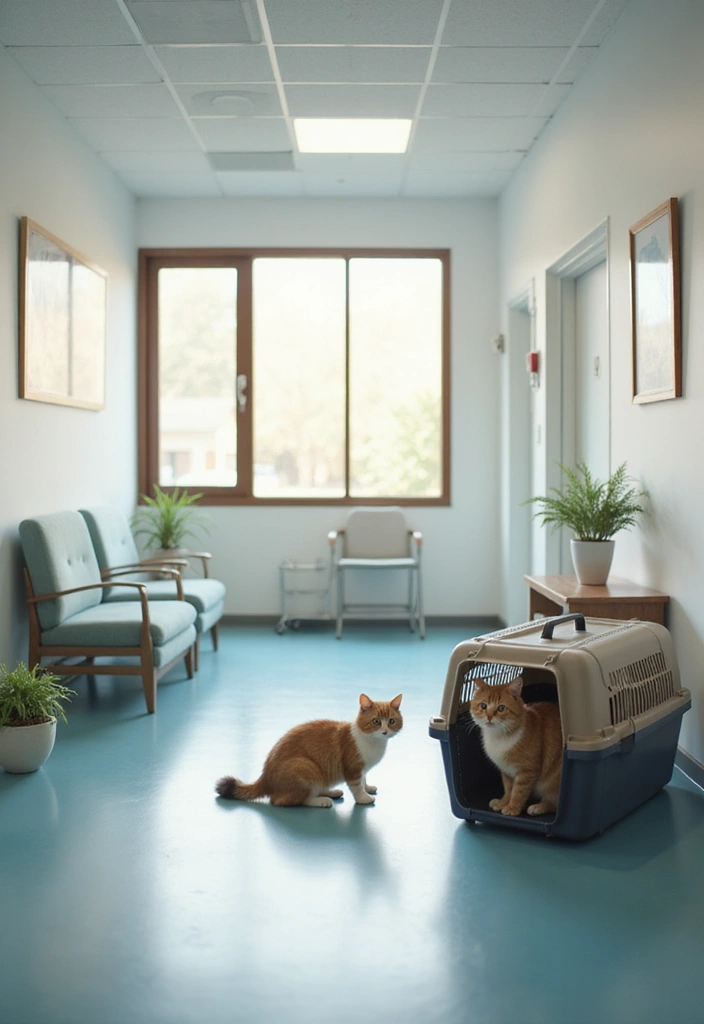
Annual or bi-annual veterinary check-ups are crucial for Himalayan cats. Regular visits help catch any potential health problems before they become serious. Your vet can provide essential vaccinations, dental check-ups, and advice on dietary needs.
Make sure to:
– Keep records: Maintain records of your cat’s health history and vaccination schedule.
– Ask questions: Don’t hesitate to ask your vet about any concerns you may have.
– Stay updated: Be aware of common health issues in Himalayan cats, such as respiratory problems and dental disease.
Investing time in regular vet visits can lead to a long and healthy life for your feline friend.
Regular vet visits aren’t just a chore—they’re your Himalayan cat’s ticket to a long, healthy life! Stay informed, ask questions, and watch out for their unique health needs.
12. Socialization Is Key
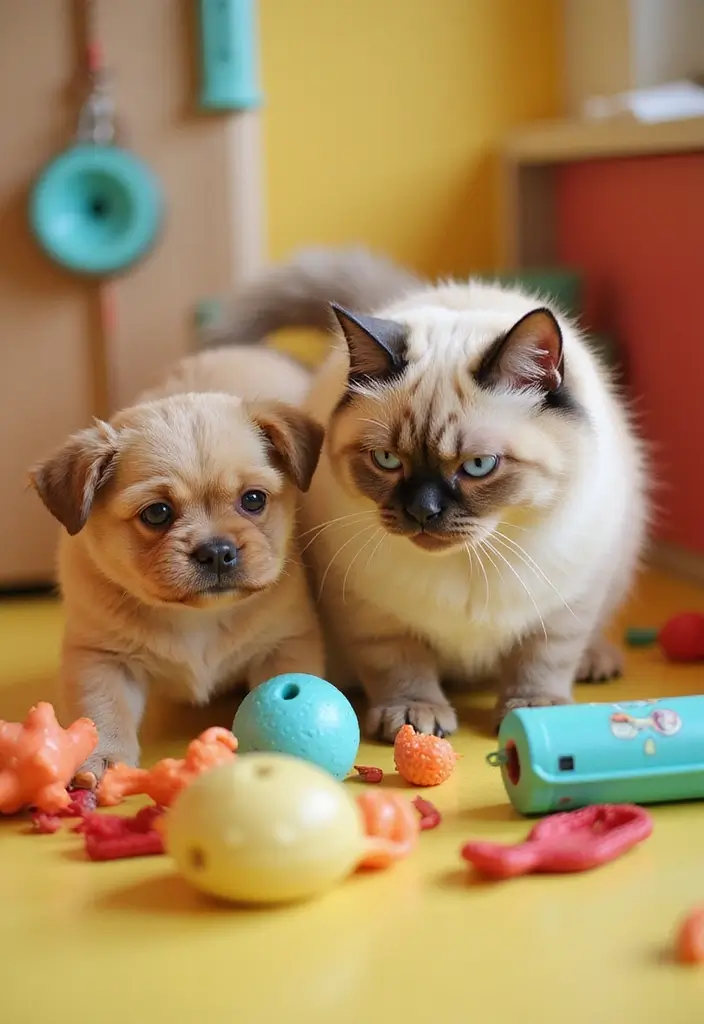
Himalayan cats thrive on companionship, both from humans and other pets. Socialization is essential to ensure they develop into well-adjusted adults. Start socializing your kitty from a young age to expose them to different people, pets, and environments.
Include these tips in your socialization efforts:
– Introduce gradually: Introduce new people and pets slowly to avoid overwhelming your cat.
– Positive experiences: Create fun and positive interactions through play and treats.
– Routine: Regularly interact with your cat to build their confidence and comfort.
A well-socialized Himalayan cat is likely to be more relaxed and less anxious in various situations.
13. Identifying Health Issues Early
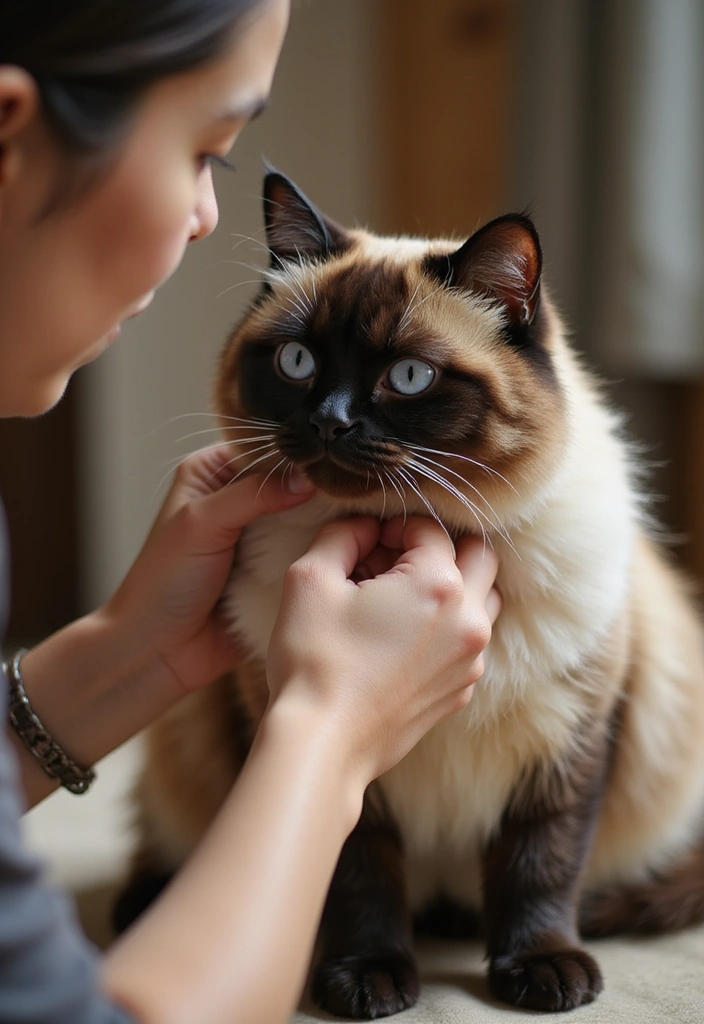
Being vigilant about your Himalayan cat’s health can make a world of difference. Regular grooming sessions provide an excellent opportunity to inspect their coat, skin, and overall condition. Look out for signs like excessive scratching, changes in appetite, or behavioral shifts that could indicate health issues.
Some common problems in Himalayans include:
– Dental issues: Tart buildup and gum disease.
– Respiratory problems: Their flat faces can lead to breathing difficulties.
– Skin issues: Look for redness, bumps, or excessive shedding.
Early detection can lead to prompt treatment, keeping your kitty happy and healthy for years to come.
14. The Power of Play
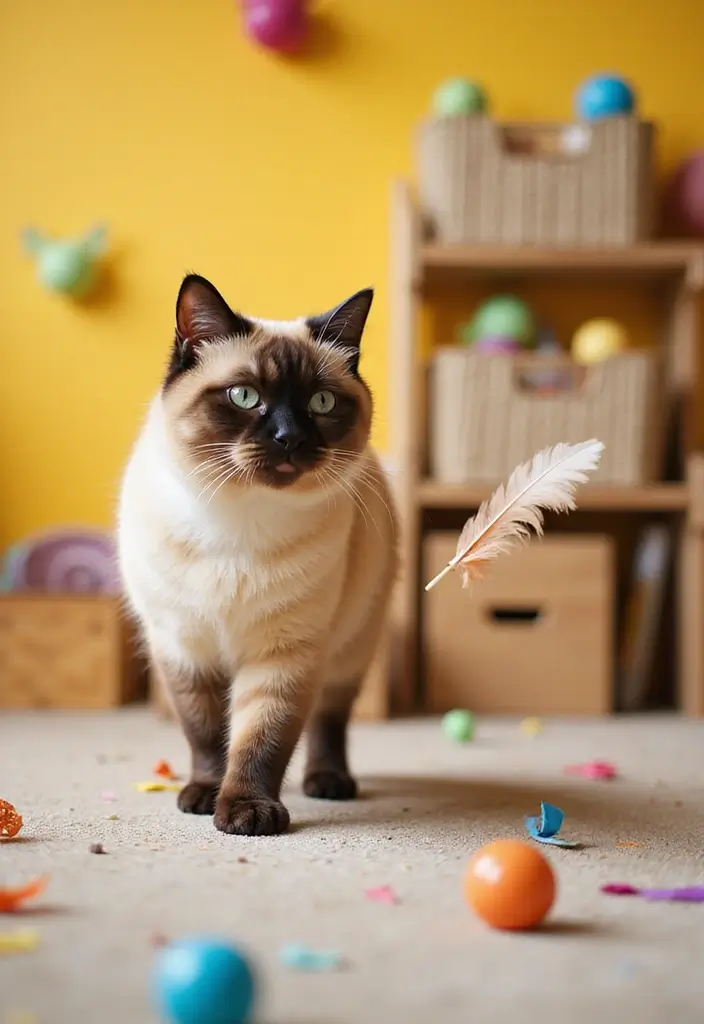
Playtime is vital for the mental and physical well-being of your Himalayan cat. Engaging in interactive play not only strengthens your bond but also provides essential exercise.
Here’s how to make playtime effective:
– Use a variety of toys: Feather wands, laser pointers, and ball toys can keep your cat entertained.
– Scheduled playtime: Set aside time each day to engage in play, which helps to establish routine.
– Rotate toys: Keep your cat intrigued by rotating their toys regularly to spark interest.
Play helps prevent obesity and boredom, contributing to a happy and healthy feline.
15. Hairball Management
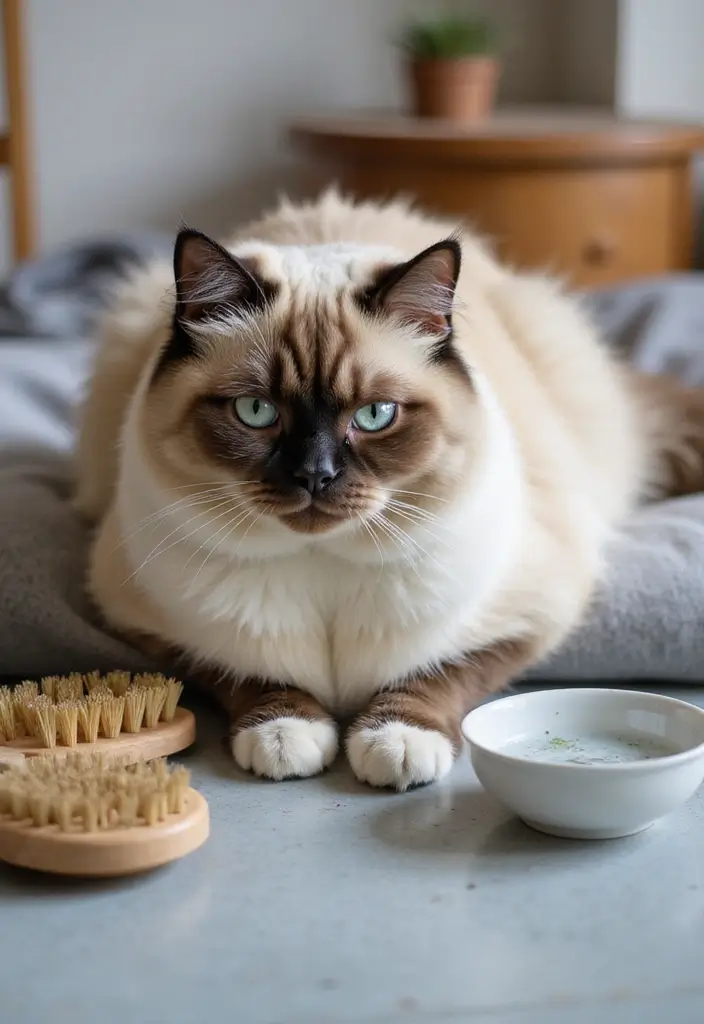
Hairballs are a common issue with long-haired breeds like Himalayans. Grooming helps reduce the fur that could end up in hairballs, but you can also take additional steps to manage this issue.
Here’s how:
– Regular grooming: As mentioned, frequent grooming minimizes shedding.
– Special diets: Some cat foods are formulated to help reduce hairballs.
– Hydration: Ensure your cat drinks enough water, as hydration aids digestion.
By being proactive about hairball management, you can keep your Himalayan cat comfortable and happy.
16. Recognizing Stress Signs
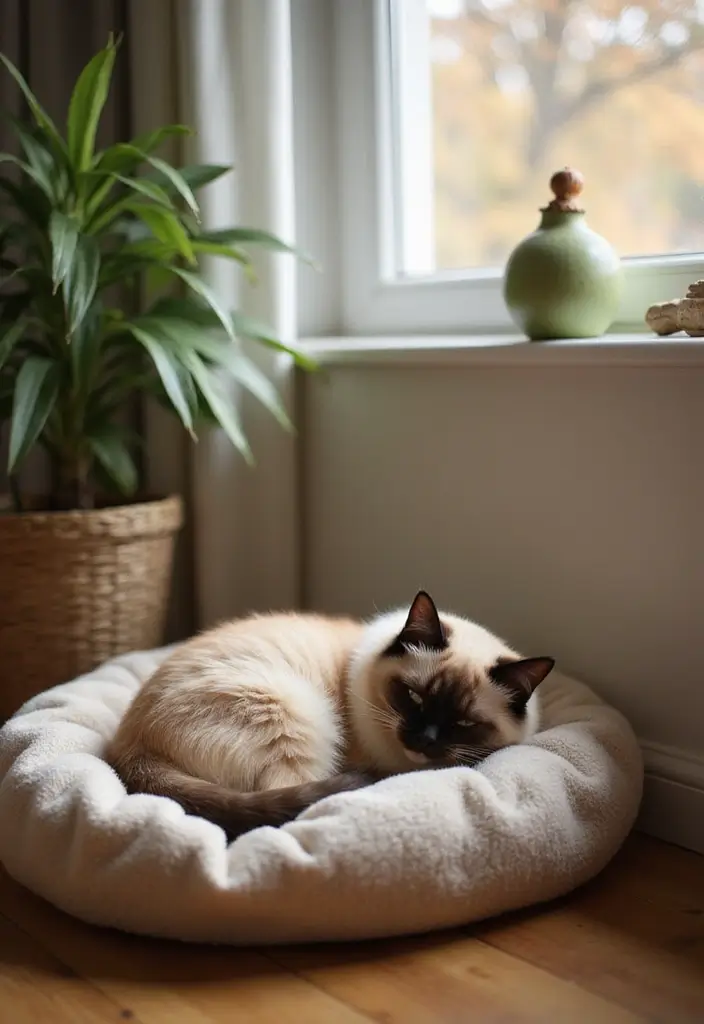
Like us, Himalayan cats can experience stress, which may manifest through behavioral changes. Understanding and recognizing signs of stress is essential for their wellbeing. Common indicators include hiding, excessive grooming, or changes in appetite.
To help your cat feel more secure:
– Provide safe spaces: Create areas where your cat can retreat and feel safe.
– Maintain a routine: Consistency in feeding and playtime helps reduce anxiety.
– Calm environment: Minimize loud noises and sudden changes in their surroundings.
Being attentive to your cat’s stress signals can lead to a happier, more balanced life for your pet.
17. Bonding Activities
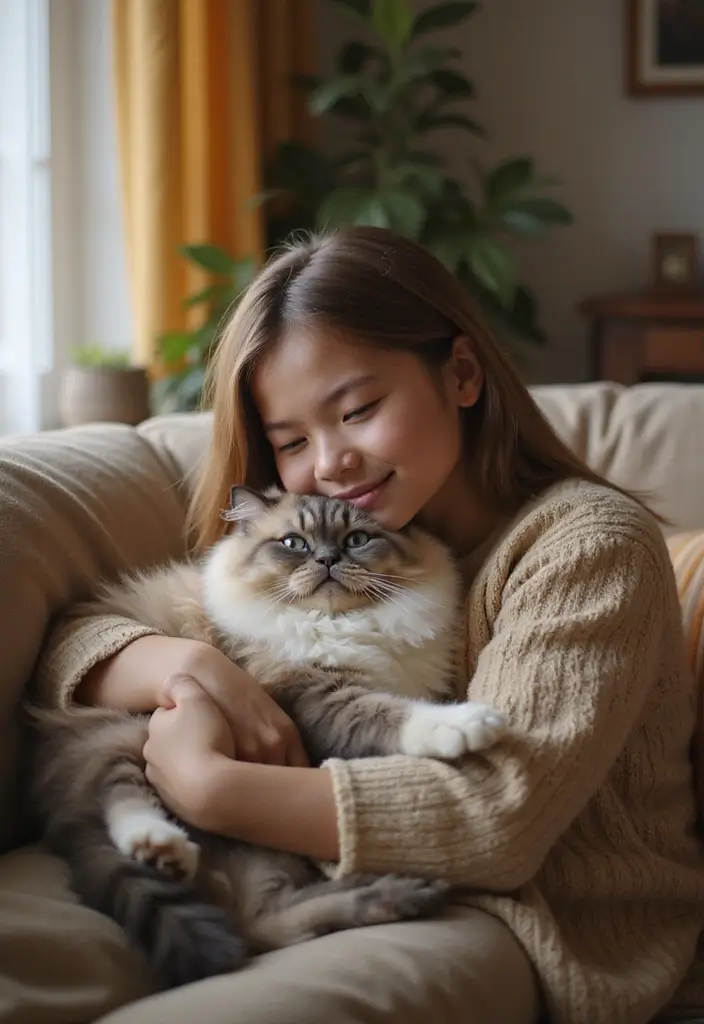
Building a strong bond with your Himalayan cat enhances your relationship and makes grooming easier. Spend quality time with them through activities that cater to their playful nature.
Consider these bonding activities:
– Cuddle sessions: Himalayans are known for their affectionate nature; they love to snuggle.
– Play hide and seek: Use toys and treats to engage them in interactive play.
– Training sessions: Teach simple commands or tricks with treats to foster engagement.
Creating positive experiences will not only strengthen your bond but also ensure your cat feels loved and secure.
18. Ideal Living Environment
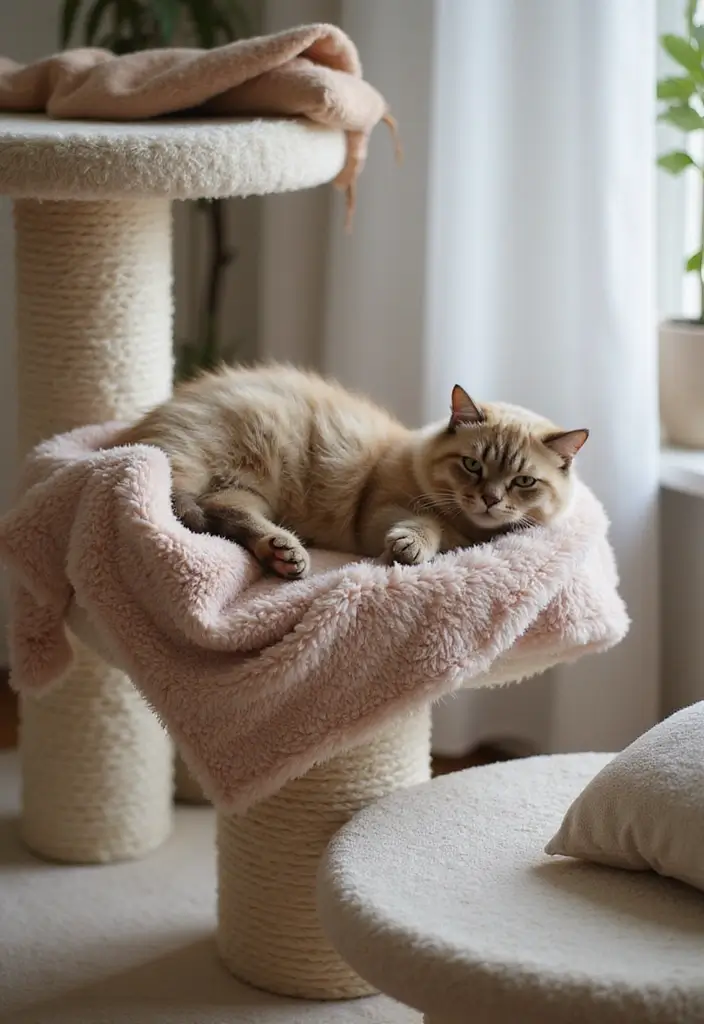
Creating an ideal living environment for your Himalayan cat is crucial for their happiness and health. They thrive in cozy, quiet settings that allow them to feel safe and comfortable.
Here are some tips for setting up your space:
– Soft surfaces: Provide plush beds and blankets for comfort.
– Vertical spaces: Cats love to climb, so consider cat trees or shelves where they can feel secure.
– Safe zones: Designate quiet areas where they can retreat when feeling stressed.
A thoughtfully arranged living space can enhance your cat’s overall happiness and well-being.
19. Understanding Their Vocalization
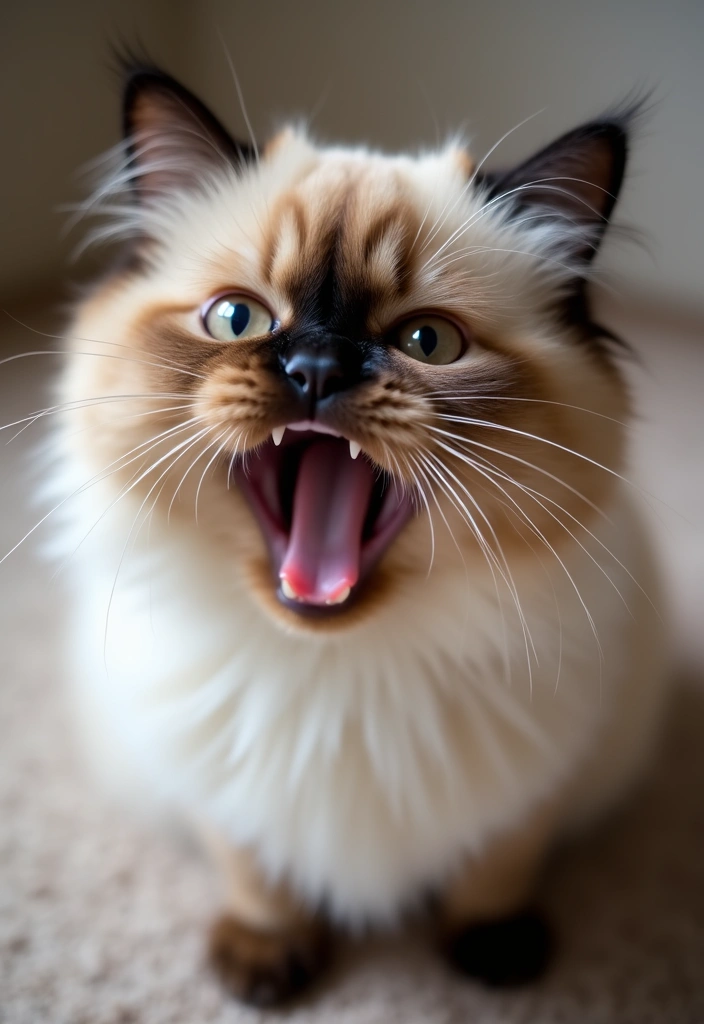
Himalayan cats can be quite vocal, using their unique sounds to communicate their needs and feelings. Understanding their vocalizations can enhance your bond and help you respond appropriately.
Common sounds include:
– Purrs: Indicate contentment and comfort.
– Chirps or trills: Often used to get your attention or express excitement.
– Meows: Can signify various needs, from hunger to affection.
Pay attention to the context of their vocalizations to better understand what your feline friend is trying to communicate. This will help you cater to their needs more effectively.
Himalayan cats have a lot to say! Listening to their purrs, chirps, and meows can strengthen your bond and help you respond to their needs with love and care.
20. The Role of Enrichment
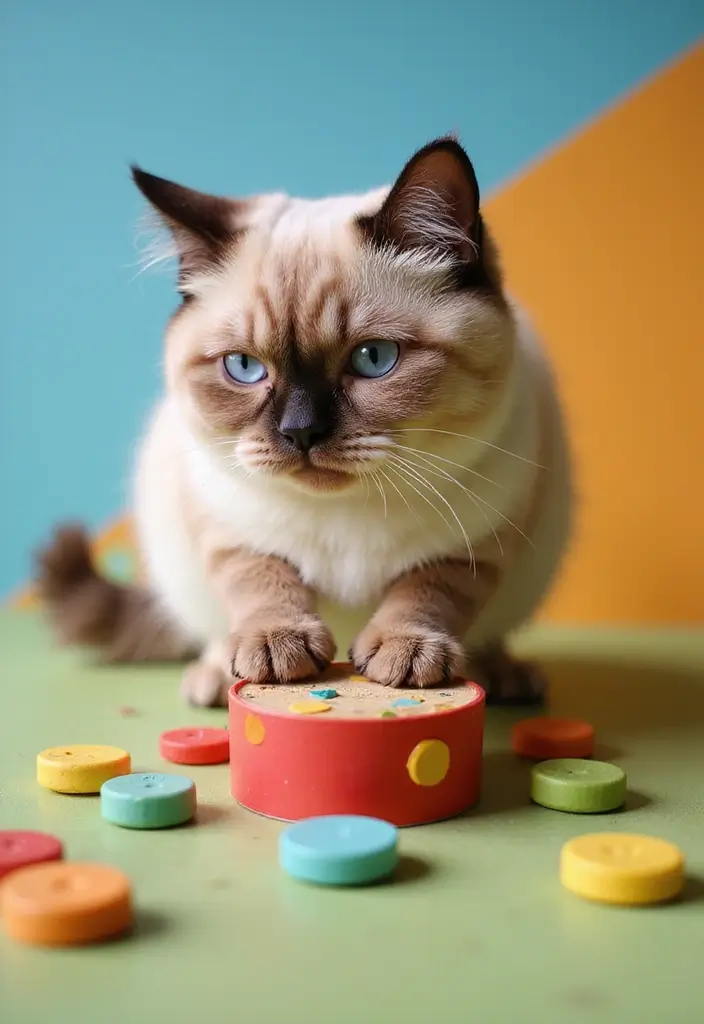
Mental stimulation and enrichment are as crucial as physical care for Himalayan cats. Boredom can lead to destructive behavior, so providing stimulating activities is essential.
Consider these enrichment ideas:
– Puzzle toys: Toys that dispense treats as your cat plays can keep their minds active.
– Interactive games: Play games that involve chasing or problem-solving to engage their instincts.
– Rotating toys: Continuously rotating their toys keeps their environment fresh and interesting.
Enrichment activities can significantly improve your cat’s quality of life, keeping them happy and engaged.
21. Preparing for Seasonal Changes
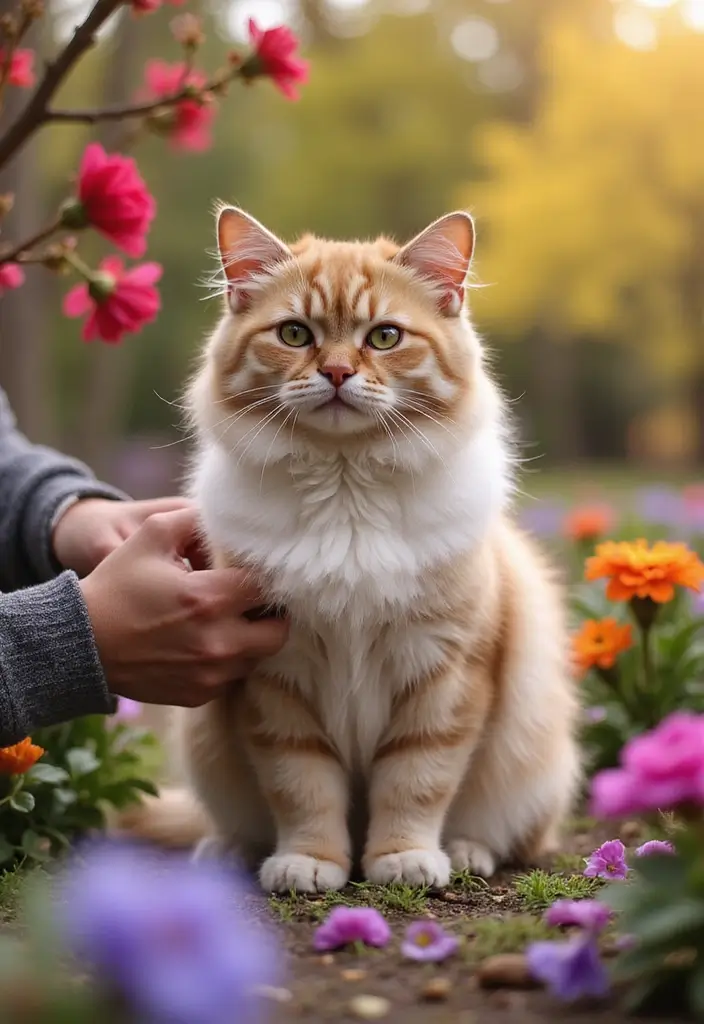
As seasons change, so do the grooming needs of your Himalayan cat. During warmer months, they may shed their winter coat, while cold weather might lead to increased matting. Adjusting your grooming routine based on seasonal changes can help manage their coat effectively.
Consider these adjustments:
– Increase grooming frequency: During shedding seasons, increase grooming sessions to manage loose fur.
– Monitor skin health: Changes in temperature can affect their skin; keep an eye out for dryness or irritation.
– Adapt diet: Seasonal adjustments in diet may be necessary to maintain coat health.
Being proactive in seasonal grooming ensures your kitty remains comfortable year-round.
As the seasons shift, so should your grooming routine! Keep your Himalayan cat’s coat healthy by adjusting your care – more frequent grooming in summer helps manage shedding, while winter calls for extra attention to prevent matting.
22. Understanding Body Language
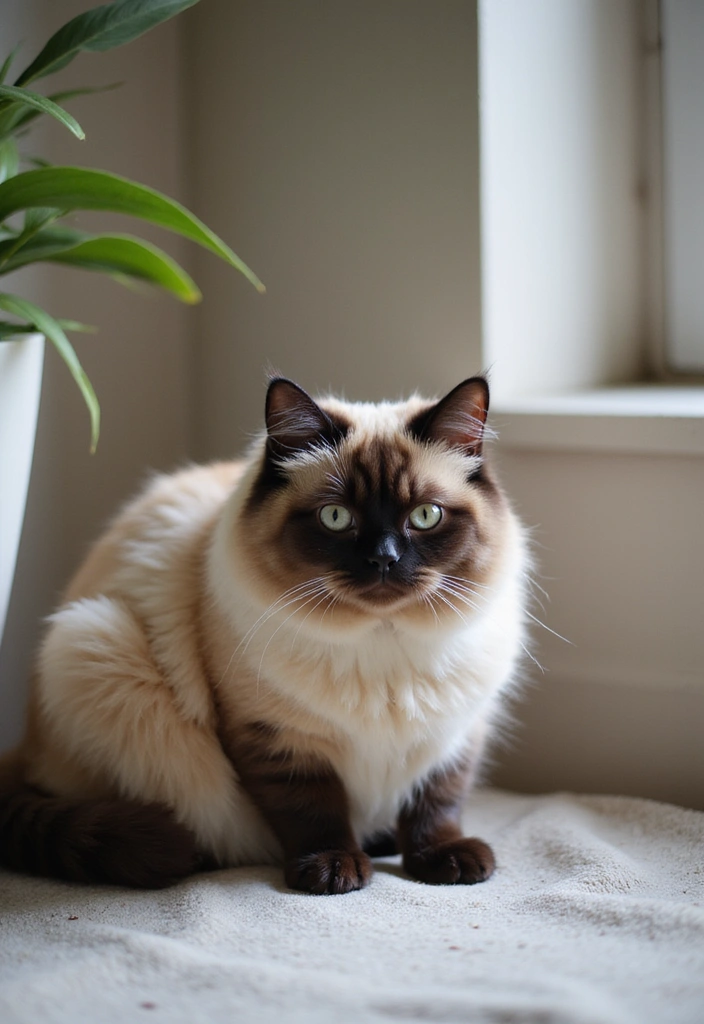
Reading your Himalayan cat’s body language can provide insights into their mood and comfort level. This understanding can enhance your relationship and make grooming or handling more manageable.
Look for these body language signals:
– Tail up: Indicates a happy and confident cat.
– Ears forward: Shows curiosity or interest.
– Purring: A sign of relaxation and contentment.
Being able to interpret these signals helps you create a more harmonious living environment for your feline companion.
23. Coping with Aging
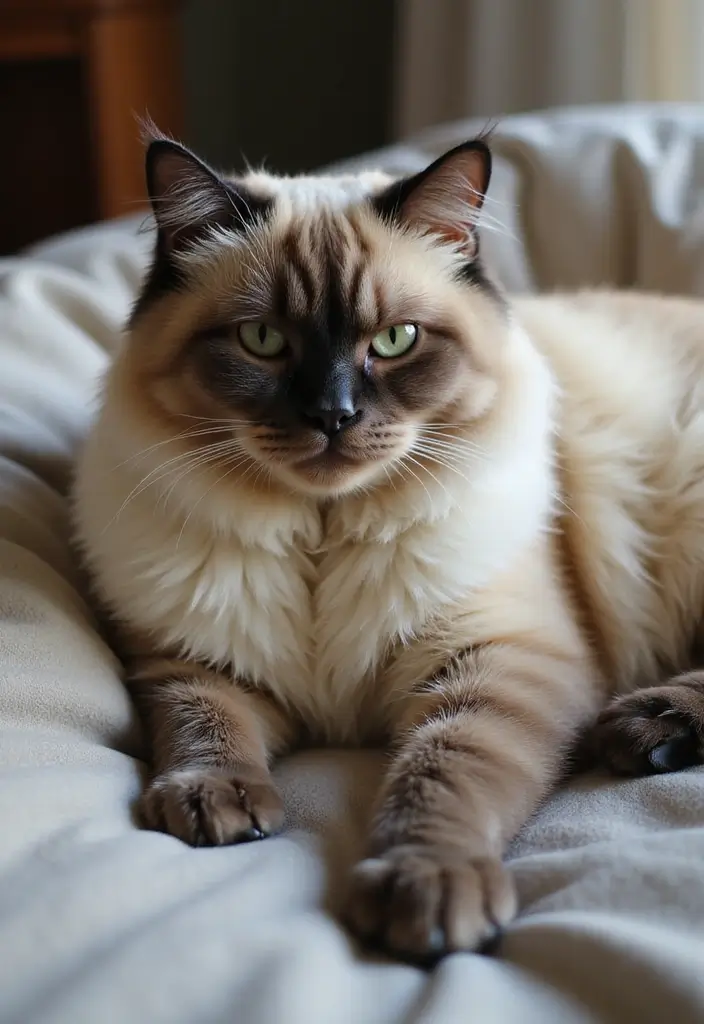
As Himalayan cats age, they may face various health challenges, which can affect their grooming needs. Understanding how to care for an older cat will ensure their comfort in their golden years.
Consider these tips:
– Gentle grooming: Older cats might be more sensitive, so gentle grooming is crucial.
– Diet adjustments: Consult your vet about any necessary dietary changes to cater to their age.
– Comfort-focused environment: Provide warm, soft places for them to rest comfortably.
Being attentive to their needs can significantly enhance the quality of life for your aging Himalayan.
Caring for your Himalayan cat in their golden years means adapting to their needs. A gentle touch and a cozy space can make all the difference in their comfort and happiness!
24. Dealing with Behavioral Issues
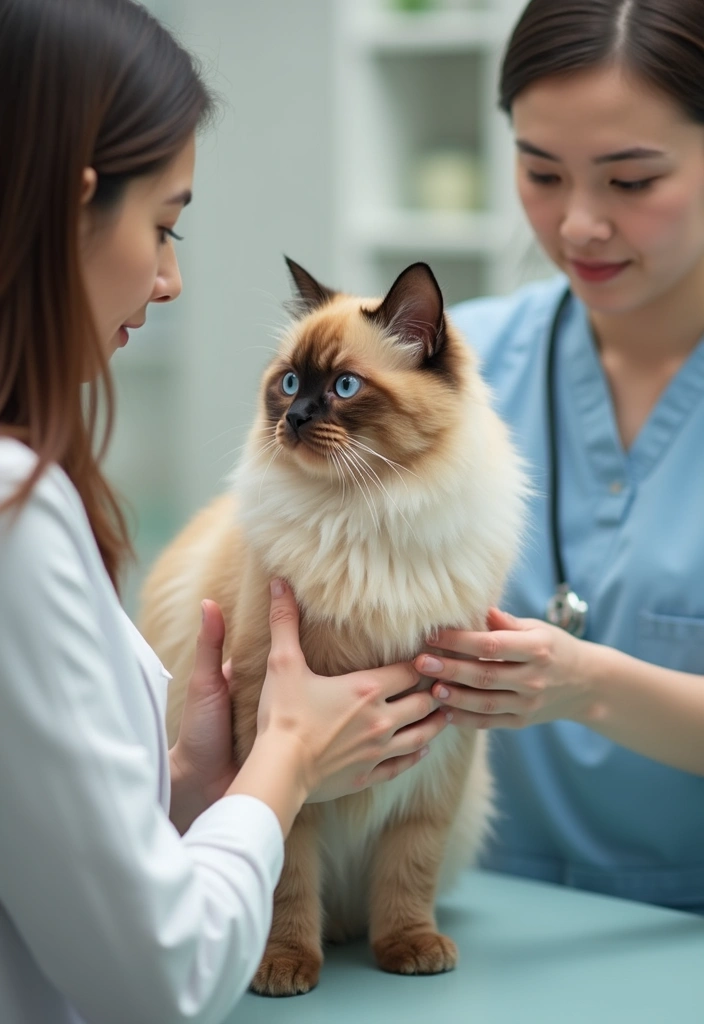
If your Himalayan cat exhibits behavioral issues, such as aggression or litter box problems, it’s essential to address these concerns thoughtfully. Many behavioral problems can stem from stress, medical issues, or environmental changes.
To manage these issues:
– Consult your vet: Rule out any medical issues that may contribute to behavioral changes.
– Create a calm environment: Ensure your cat has places where they can retreat and feel safe.
– Behavior modification: Work with a behaviorist if necessary to develop strategies for improvement.
Understanding and addressing behavioral problems early on can foster a happier, healthier relationship.
25. Supporting Their Comfort
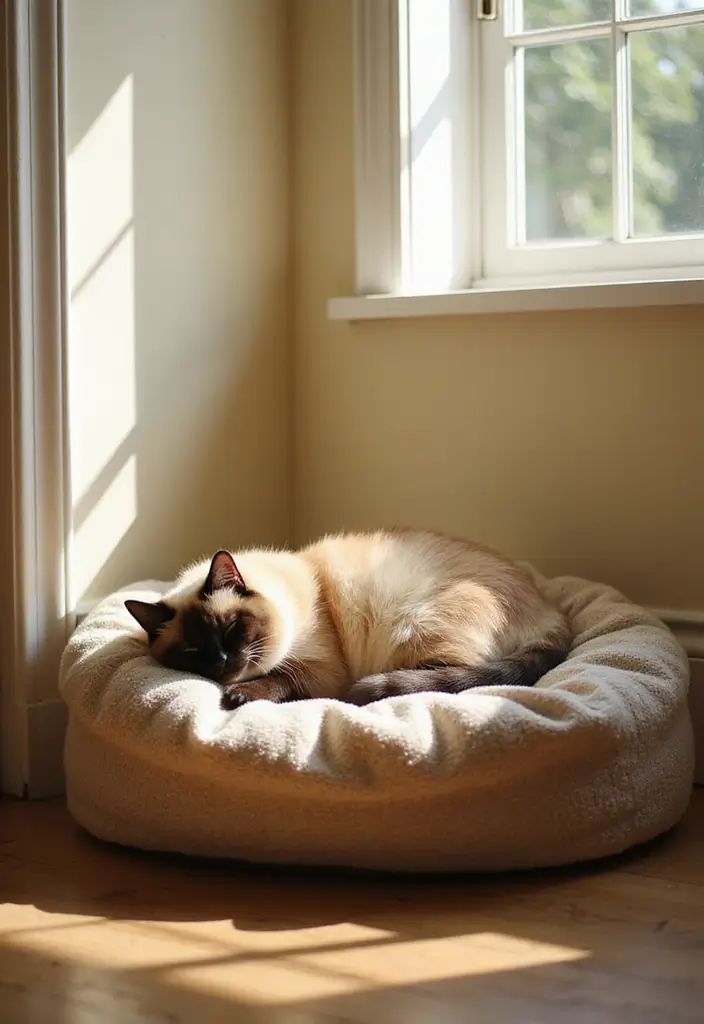
Ensuring that your Himalayan cat is comfortable should always be a priority. This includes everything from their sleeping arrangements to where they play.
Consider the following:
– Quality bedding: Soft, warm beds help them rest well.
– Temperature regulation: Be mindful of keeping spaces comfortable in both hot and cold weather.
– Safe play areas: Create engaging environments where they can explore without risk.
A focus on comfort will contribute to a happy and healthy lifestyle for your feline friend.
26. Choosing the Right Groomer

Finding a qualified groomer for your Himalayan cat can make a significant difference in their grooming experience. Look for professionals with experience in handling long-haired breeds.
Here are some tips to find the right groomer:
– Research: Read reviews and ask for recommendations from other pet owners.
– Visit beforehand: Take your cat to meet the groomer, observing how they interact.
– Ask questions: Inquire about their grooming techniques and experience with Himalayans.
A good groomer will prioritize your cat’s comfort and well-being, ensuring a positive experience.
27. Tailoring Care to Individual Needs
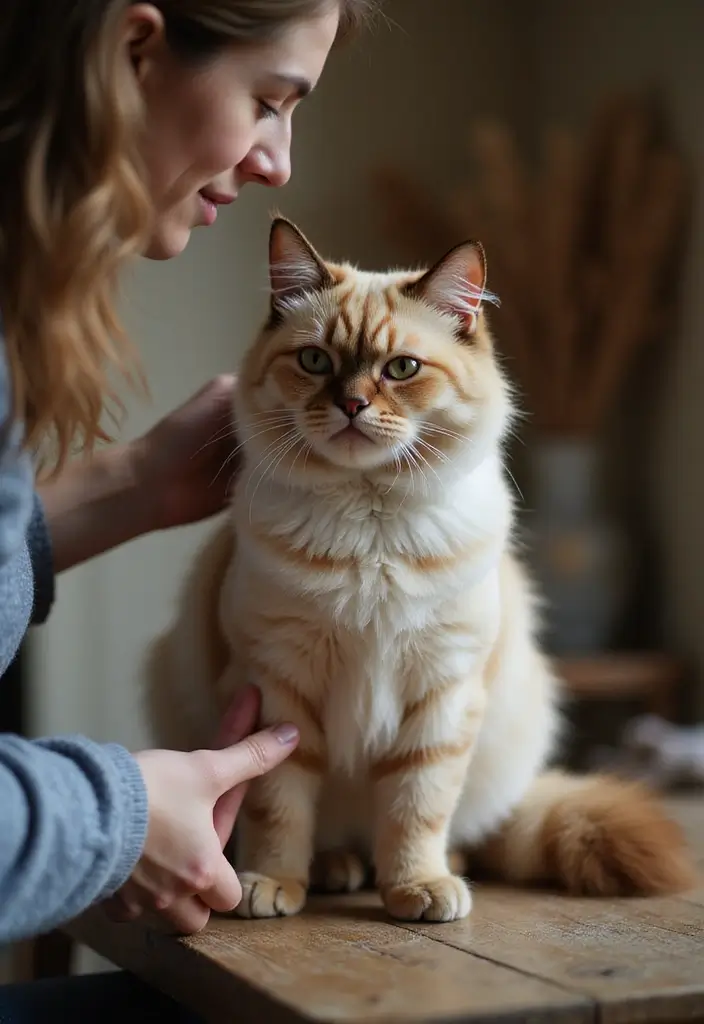
Each Himalayan cat has its unique personality and grooming needs. Some may enjoy grooming sessions, while others might find them stressful. Tailoring your approach to your cat’s individual needs is essential for a successful grooming experience.
Consider these factors:
– Temperament: Be aware of your cat’s comfort levels and adjust your grooming style accordingly.
– Health conditions: Adapt grooming techniques based on any specific health needs, like allergies or sensitivities.
– Personal preferences: Pay attention to their likes and dislikes during grooming sessions to create a more enjoyable experience.
Personalized care leads to a stronger bond and a happier cat.
28. Emphasizing Patience
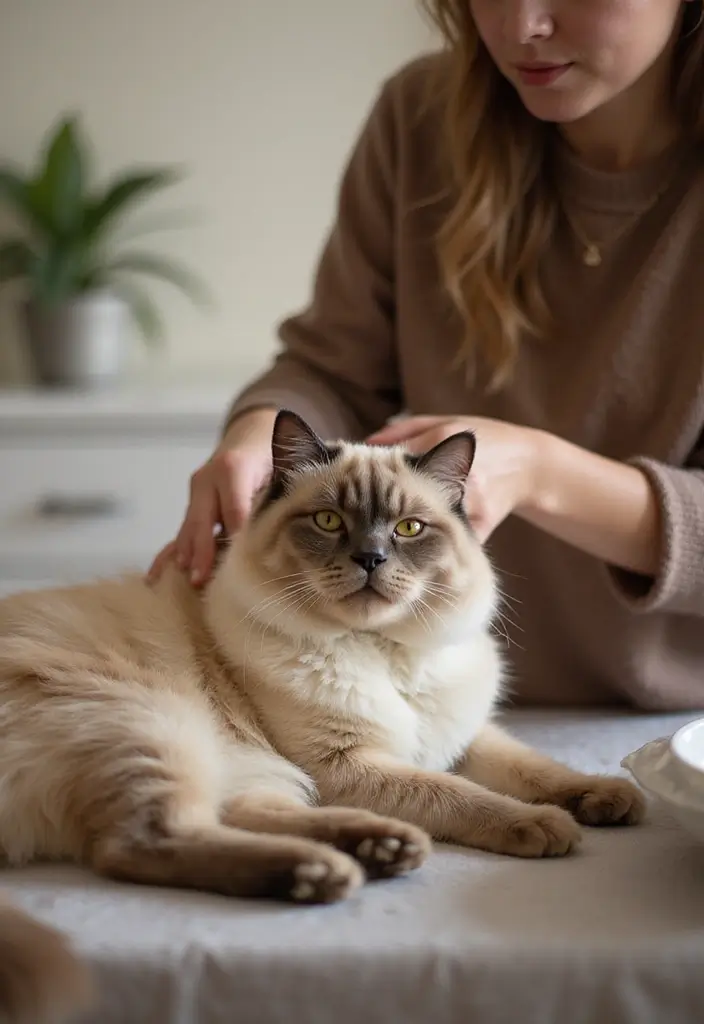
Grooming, especially for long-haired breeds like Himalayans, can take time and patience. It’s important to approach each grooming session with a calm and soothing demeanor, allowing your cat to adjust at their own pace.
Here are some patience tips:
– Short sessions: Keep grooming sessions brief to avoid overwhelming them. Gradually increase the length as they grow more comfortable.
– Use calming techniques: Speak softly and gently, using treats to encourage positive behavior.
– Take breaks: If your cat becomes restless or agitated, take a short break and regroup.
Patience will pay off as your cat learns to associate grooming with relaxation and bonding.
29. Embracing the Journey
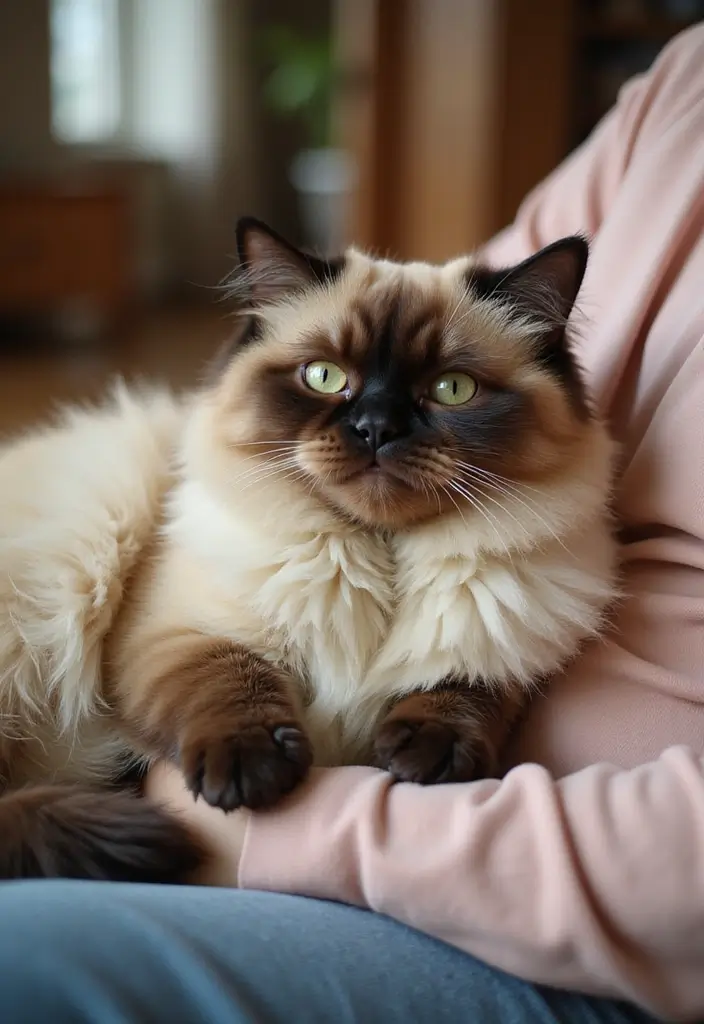
Caring for a Himalayan cat is a journey filled with love, joy, and challenges. Embrace the learning process as you discover what works best for your furry friend.
Be open to change and adapting your methods as you and your cat grow together. Celebrate small victories, whether mastering a grooming technique or enhancing your bond.
Your dedication to understanding your Himalayan will create a rewarding relationship that enriches both your lives.
Remember, each grooming routine is an opportunity to deepen your connection and create a sanctuary of trust and affection.
30. Staying Educated

The world of pet care is continuously evolving, and staying informed about the best grooming practices for Himalayan cats is essential. Seek out reputable sources, connect with other cat owners, and don’t hesitate to ask your vet questions.
Consider the following:
– Online resources: Join forums or groups focused on Himalayan cats for sharing knowledge and experiences.
– Books and articles: Read up on grooming and health care specific to long-haired breeds.
– Community engagement: Attend pet expos or local meet-ups to connect with fellow pet owners.
An informed owner is a confident owner, leading to a happier, healthier life for your feline companion.
Conclusion: A Happy, Healthy Himalayan Cat Awaits
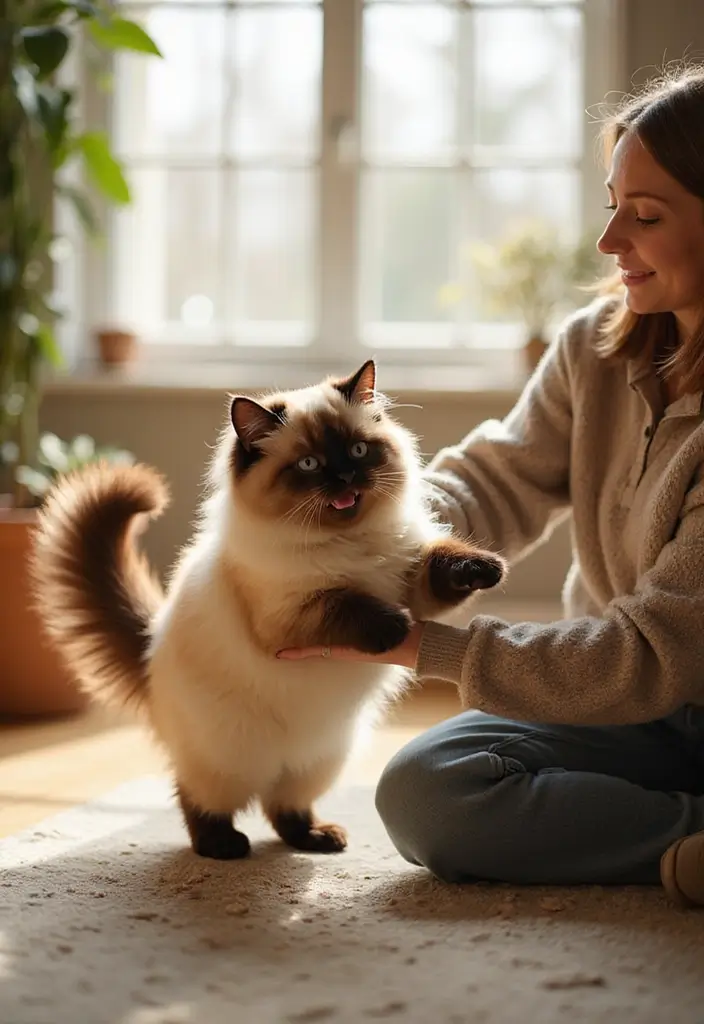
Caring for a Himalayan cat is a rewarding journey of love and companionship. Incorporating these grooming and care tips into your routine will ensure your feline friend remains healthy and happy.
From regular grooming to understanding their specific needs, every effort you make contributes to a joyful and fulfilling life for your cat. Embrace each moment and cherish the bond you share with your fluffy companion!
Frequently Asked Questions
What Are the Best Grooming Tools for My Himalayan Cat?
Investing in the right grooming tools is essential for keeping your Himalayan cat’s coat healthy and beautiful. Look for a wide-toothed comb and a slicker brush, specifically designed for long-haired breeds. These tools help detangle knots and prevent mats, ensuring your furry friend remains comfortable and stylish. Regular grooming not only maintains their luxurious coat but also strengthens your bond with them!
How Often Should I Bathe My Himalayan Cat?
Bathing your Himalayan cat might seem daunting, but it’s a crucial part of their grooming routine. Generally, you should aim to bathe them every 4-6 weeks, depending on their lifestyle and coat condition. If they get into something messy or have excessive oil on their fur, a bath is necessary! Always use a cat-specific shampoo and ensure you dry them thoroughly afterward to keep their coat looking its best.
How Can I Prevent Mats in My Himalayan Cat’s Fur?
Mats can be a common issue for Himalayan cats, especially around the armpits and collar area. To prevent mats, establish a regular grooming routine, ideally every 2-3 days. Use a slicker brush to gently remove tangles before they turn into mats. If you do find a mat, work on it slowly with your fingers or a comb, and never pull harshly on their fur. Regular grooming will not only keep their coat looking beautiful but also promote your cat’s overall health!
What Should I Feed My Himalayan Cat for Optimal Health?
A healthy diet is key to your Himalayan cat’s well-being. Look for high-quality cat food that is rich in protein and healthy fats, as well as essential vitamins and minerals. Cats are obligate carnivores, so ensure their food contains real meat as the primary ingredient. Additionally, keep an eye on their hydration; some Himalayans prefer wet food, which can help them stay hydrated while enjoying their meals. A balanced diet will contribute to their shiny coat and overall health!
How Can I Recognize Stress in My Himalayan Cat?
Like us, Himalayan cats can experience stress, and it’s important to recognize the signs. Look for changes in behavior such as hiding, excessive grooming, or vocalization. They may also display signs like flattened ears or a twitching tail. Creating a calm environment and engaging in regular playtime can help alleviate stress. If you notice persistent signs of stress, consider consulting your veterinarian for advice on how to support your furry friend.
Related Topics
himalayan cat cat grooming tips long-haired cats pet care essentials beginner friendly grooming techniques cat health nail care bath time tips mat management cat nutrition seasonal grooming