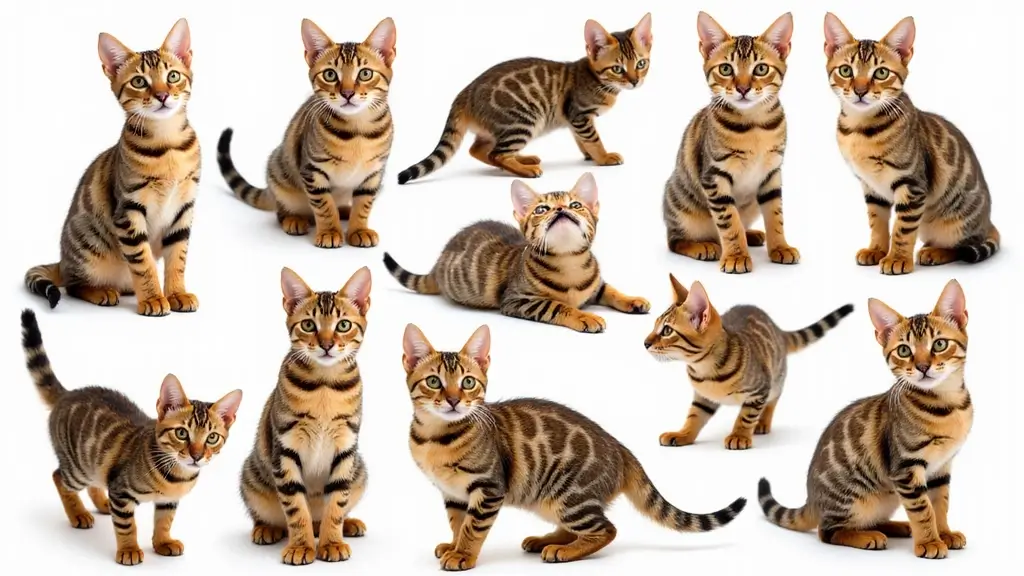
Bengal cats are not just stunning with their leopard-like spots and glittering coats; they are also a bundle of energy and personality.
Their playful antics and affectionate nature make them a favorite among cat lovers. But beyond their beauty, understanding their behavior and care needs is crucial for every owner. From grooming tips to health care, these 28 facts will help you appreciate and care for your Bengal cat even more. Whether you’re a seasoned Bengal parent or considering adopting one, this guide is packed with insights that are as intriguing as they are helpful.
1. Origins of the Bengal Cat

Bengal cats have a fascinating lineage that traces back to the wild Asian leopard cat. They were developed in the 1980s by breeding these wild cats with domestic breeds, mainly the Egyptian Mau and Abyssinian. This unique combination gives Bengals their striking appearance and energetic spirit.
These cats were bred not only for their beauty but also for their playful and social nature. Bengals are known for their exceptional intelligence and curiosity, which makes them quite engaging companions.
If you’re looking for a cat that can keep up with your active lifestyle, a Bengal cat could be the perfect match! Understanding their wild ancestry can also help you comprehend some of their behavior, such as their love for climbing and exploring high places.
2. Unique Bengal Coat Patterns
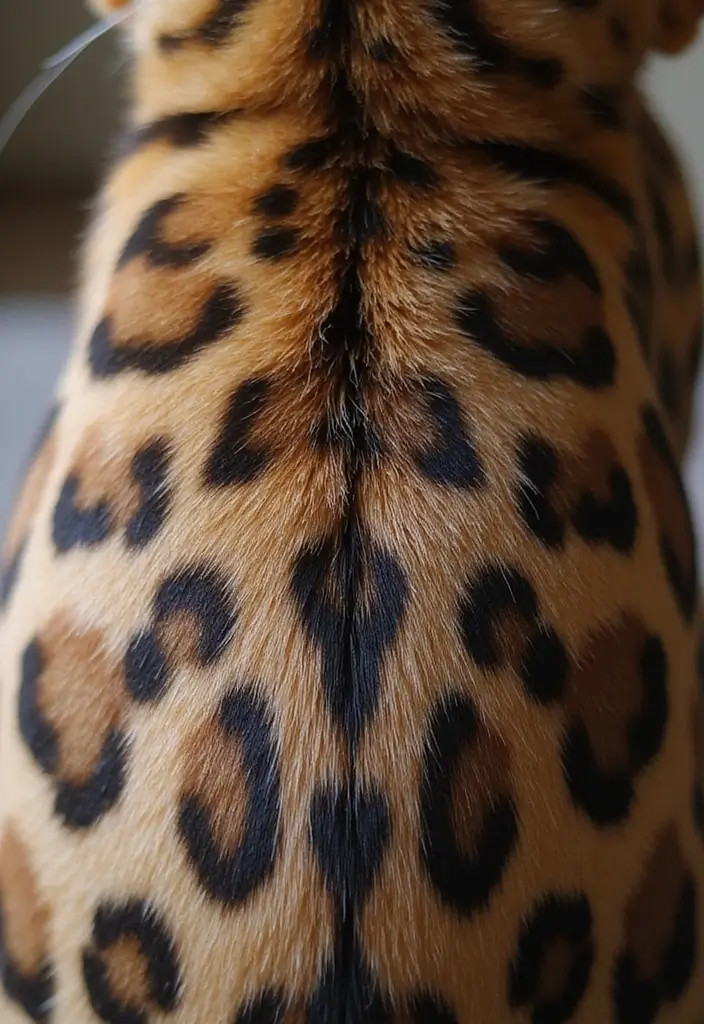
One of the most captivating aspects of Bengal cats is their mesmerizing coat patterns. They can come in a variety of colors, including brown, silver, and snow, each displaying beautiful rosettes or marbling.
The unique texture of their fur resembles that of wild cats, feeling soft yet dense. The glittering quality of the fur is due to a special gene, making them sparkle in the light! Grooming this stunning coat is essential, as it not only keeps them looking fabulous but also contributes to their overall health. Regular brushing helps reduce shedding and matting, ensuring their coat stays sleek and shiny.
Additionally, Bengals are less likely to develop hairballs due to their short coat, but regular grooming can still prevent any potential issues.
3. Their Playful Nature
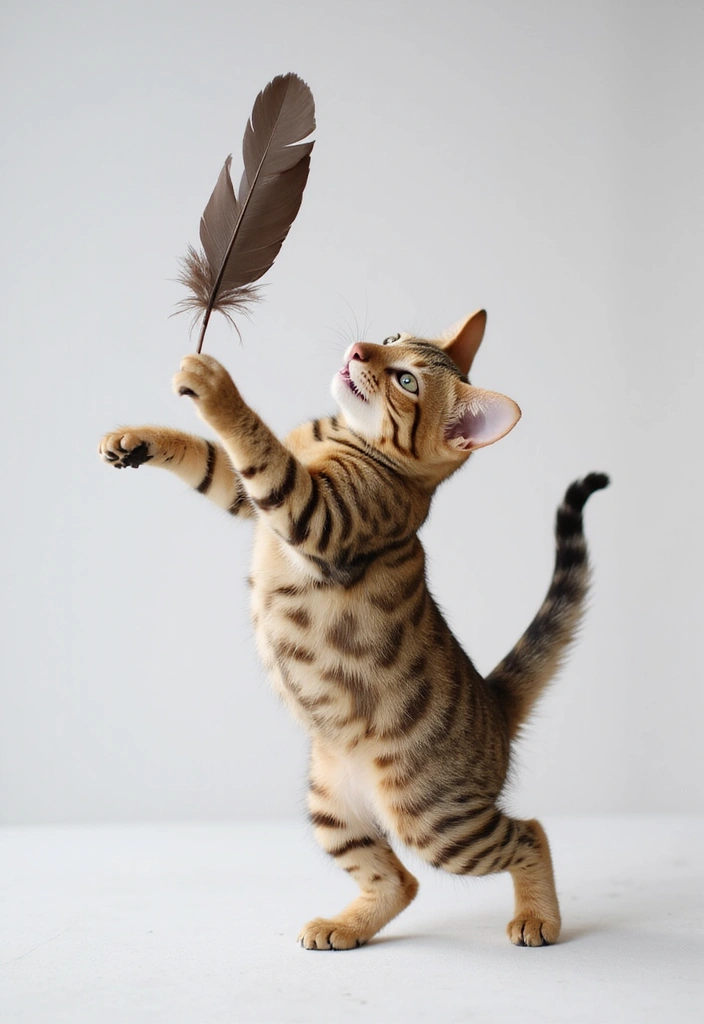
Bengal cats are known for their high energy and playful disposition. They thrive on interaction and love engaging in activities that challenge their minds and bodies.
Whether it’s chasing after a feather toy or climbing to the highest point in your home, these cats are built for action! Their playful nature often lasts well into adulthood, making them lifelong companions who require regular playtime to stay happy and healthy.
To keep your Bengal entertained, consider investing in interactive toys, puzzle feeders, or even cat trees that allow for climbing and exploration. Regular playtime not only keeps them fit but also strengthens the bond between you and your feline friend.
4. Social Butterflies
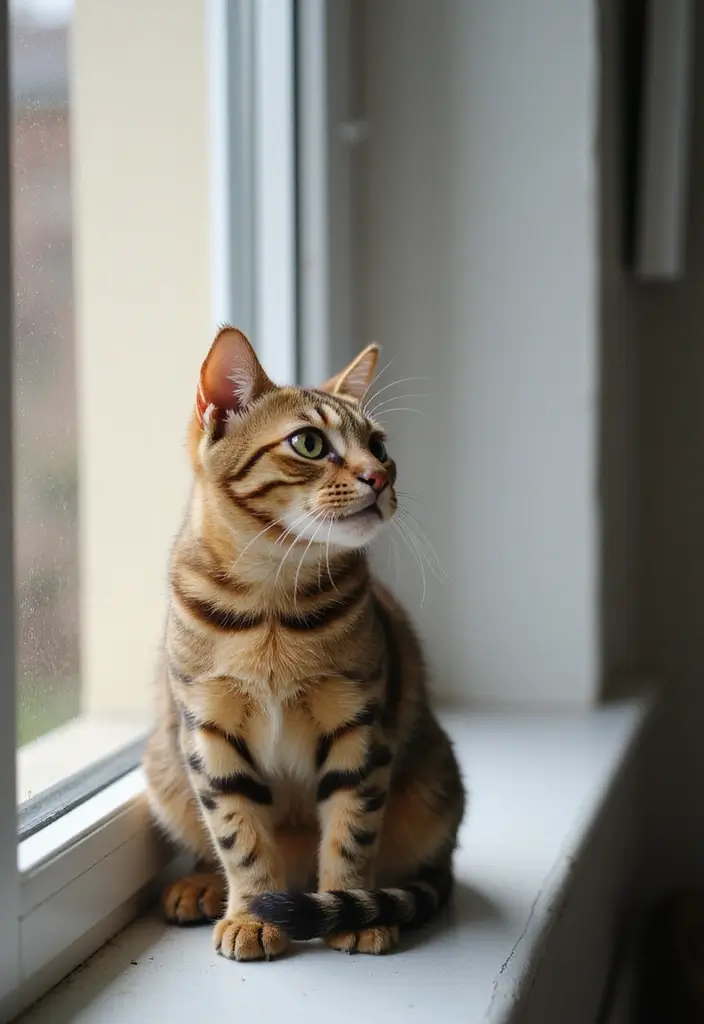
Bengal cats are incredibly social creatures. Unlike many other cats, they enjoy being around people and can even get along well with other pets if introduced properly.
They often seek attention and affection from their owners, making them more like a dog than a typical cat in this regard. Bengals love to be involved in daily activities and will often follow you around the house. They thrive on companionship and may even develop separation anxiety if left alone for extended periods.
To ensure your Bengal is happy, consider adopting a pair or providing plenty of interactive playtime to satisfy their social needs. Engaging them in activities, such as training sessions or playdates with other pets, will keep their spirits high!
Bengal cats aren’t just pets; they’re your furry companions! They thrive on social interaction and will follow you around like a little shadow. Give them the love they crave, and you’ll have a friend for life!
5. Intelligent and Trainable
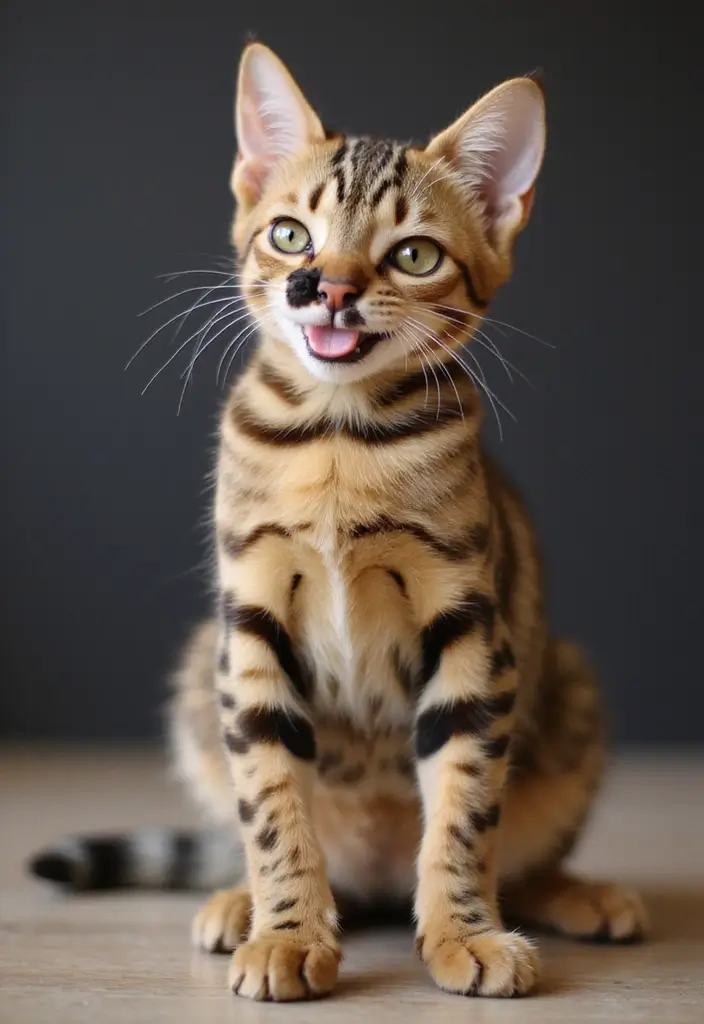
Bengal cats are among the most intelligent cat breeds. Their quick wits and curiosity make them easy to train, as they enjoy learning new tricks and solving puzzles.
Training your Bengal can be a delightful experience, as they respond well to positive reinforcement techniques, such as treats and praise. Start with simple commands like ‘sit’ or ‘high five,’ gradually progressing to more complex tricks. Even litter training can be a breeze with these clever kitties!
Incorporating interactive play into training sessions can also keep them engaged and mentally stimulated. Puzzles, treat-dispensing toys, or even agility training can provide the mental challenges they crave.
6. Grooming Needs
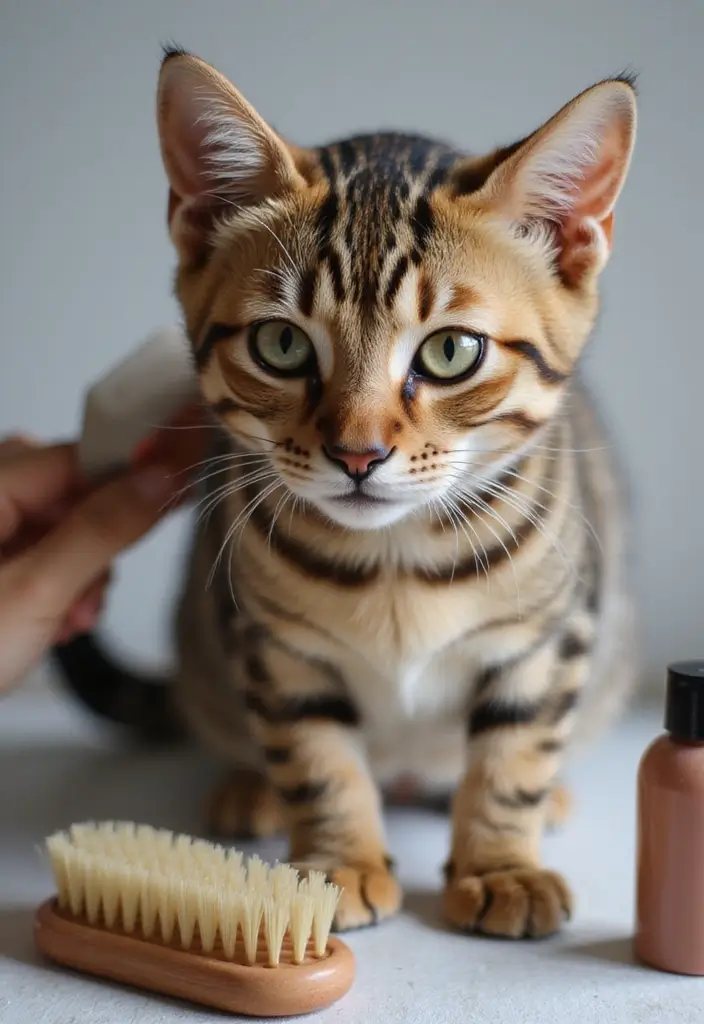
While Bengal cats have short coats, they do require regular grooming to maintain their luxurious appearance and overall health. Brushing them once a week can help reduce shedding and keep their coat shiny.
Use a soft brush to avoid irritating their skin, and make sure to check for any mats or tangles, especially around the neck and under the legs. Bathing your Bengal is generally not necessary unless they get into something messy, as their coat is naturally resistant to dirt.
Regular grooming also provides an opportunity to check for any skin issues or parasites, ensuring your feline friend stays in top shape. Plus, the bonding time during grooming can enhance your relationship with your Bengal.
7. Health Considerations
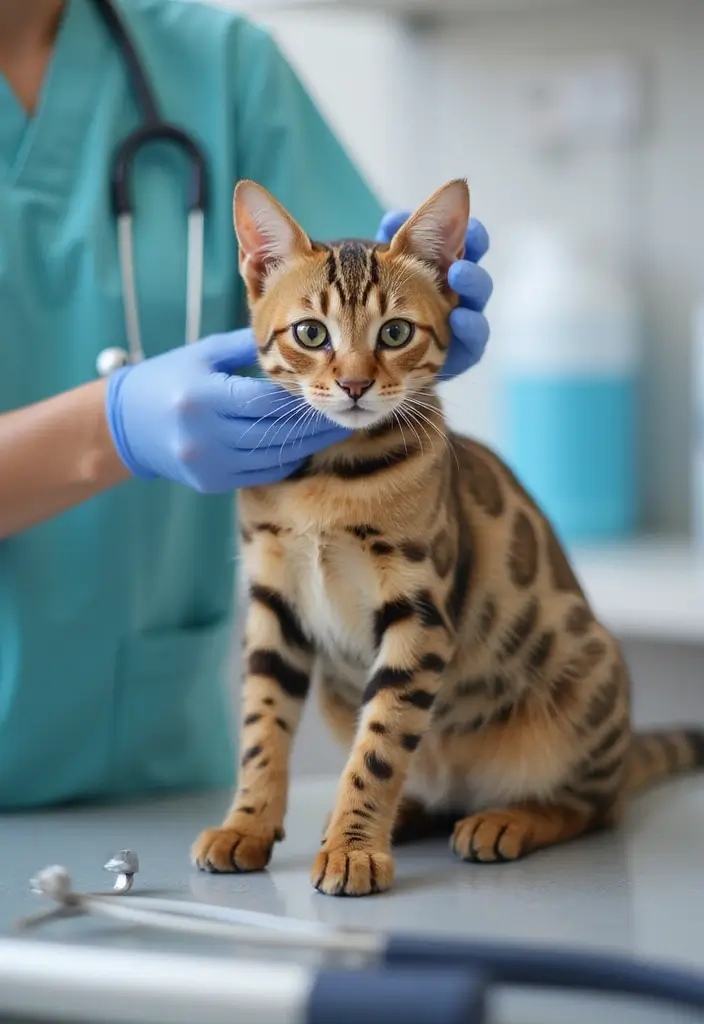
Like all breeds, Bengal cats can be prone to specific health issues. One of the most common concerns is hypertrophic cardiomyopathy (HCM), a heart condition that can affect many cats. Regular veterinary check-ups and screenings are essential for early detection.
Bengals are also prone to certain skin conditions due to their unique coat. Ensuring a balanced diet rich in essential fatty acids can help maintain skin health and reduce the risk of issues.
Keep an eye on their diet, as Bengals can be prone to obesity if not monitored closely. Providing a nutritionally balanced diet, along with regular exercise, will help keep your Bengal healthy and happy.
8. They Love Water
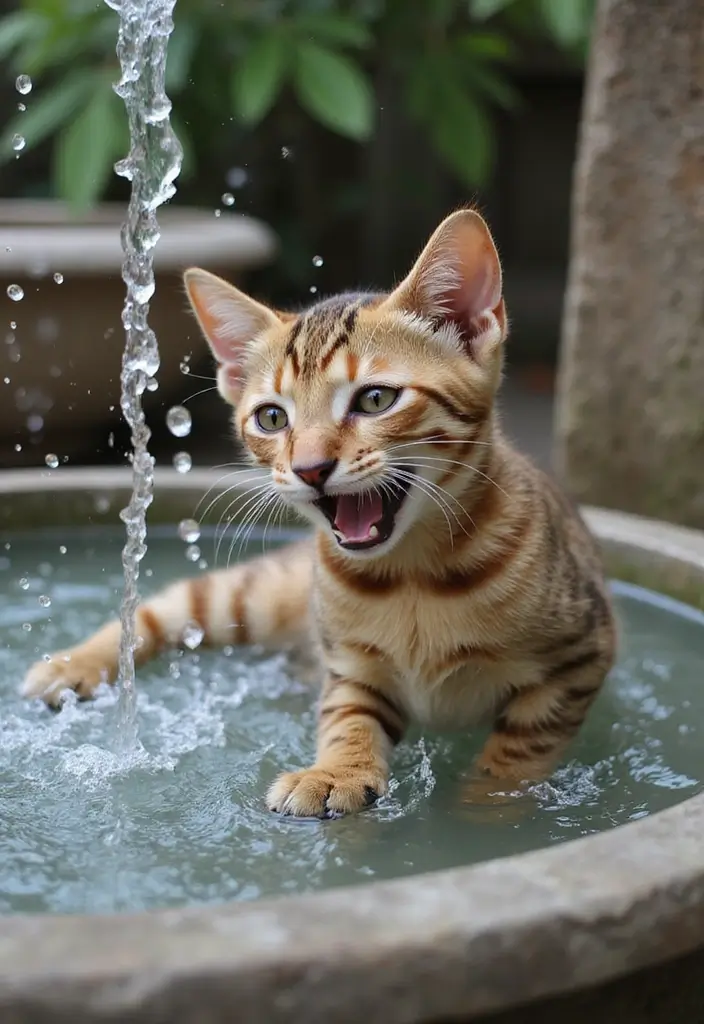
Unlike many cats, Bengals are known for their love of water. This fascination might stem from their wild ancestors who lived in forests and were comfortable near rivers and streams.
You might find your Bengal playing in the sink, splashing in their water bowl, or even joining you in the shower! Introducing your Bengal to water early on can foster this affinity, making bath time less stressful. Just remember to keep it safe; never force them into water.
Providing them with a shallow basin or a pet fountain can also satisfy their curiosity and entertain them for hours!
9. Exercise Requirements
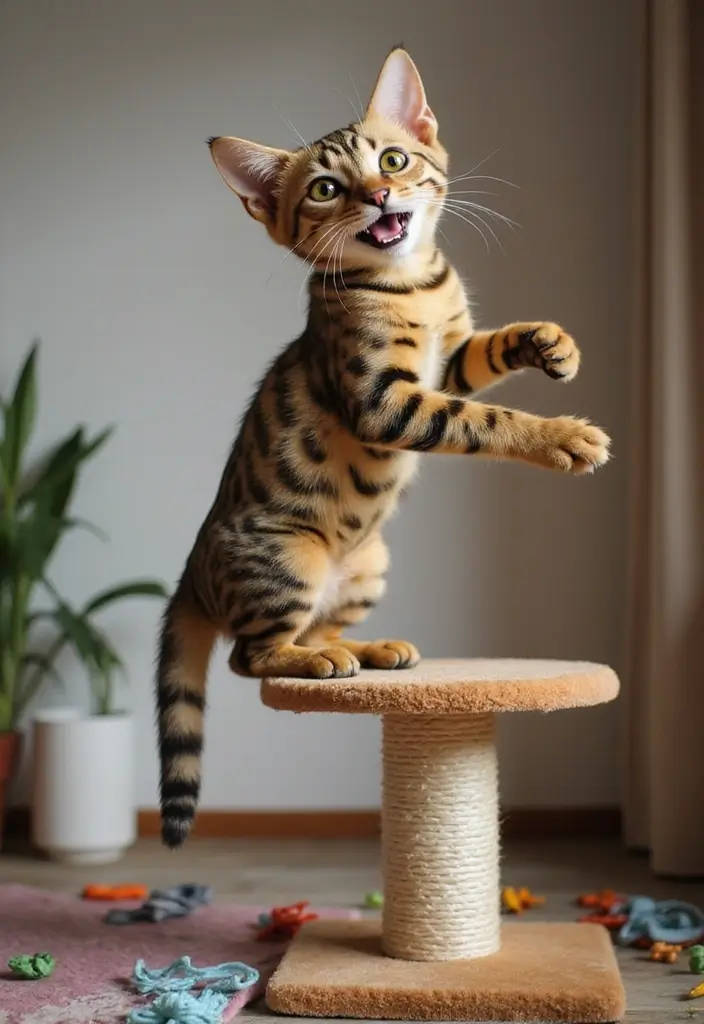
Bengal cats are energetic and need regular exercise to keep them happy and healthy. They are natural athletes, so providing opportunities to climb, jump, and run is essential.
Investing in tall cat trees, interactive toys, and open spaces can help them burn off energy. Regular play sessions are vital; aim for at least 30-60 minutes of active play each day. Incorporating feather wands, laser pointers, or even puzzle toys can make playtime fun and stimulating.
Not only does this keep them physically fit, but it also helps prevent behavioral issues that can arise from boredom, such as scratching furniture or excessive meowing.
10. They Love to Talk
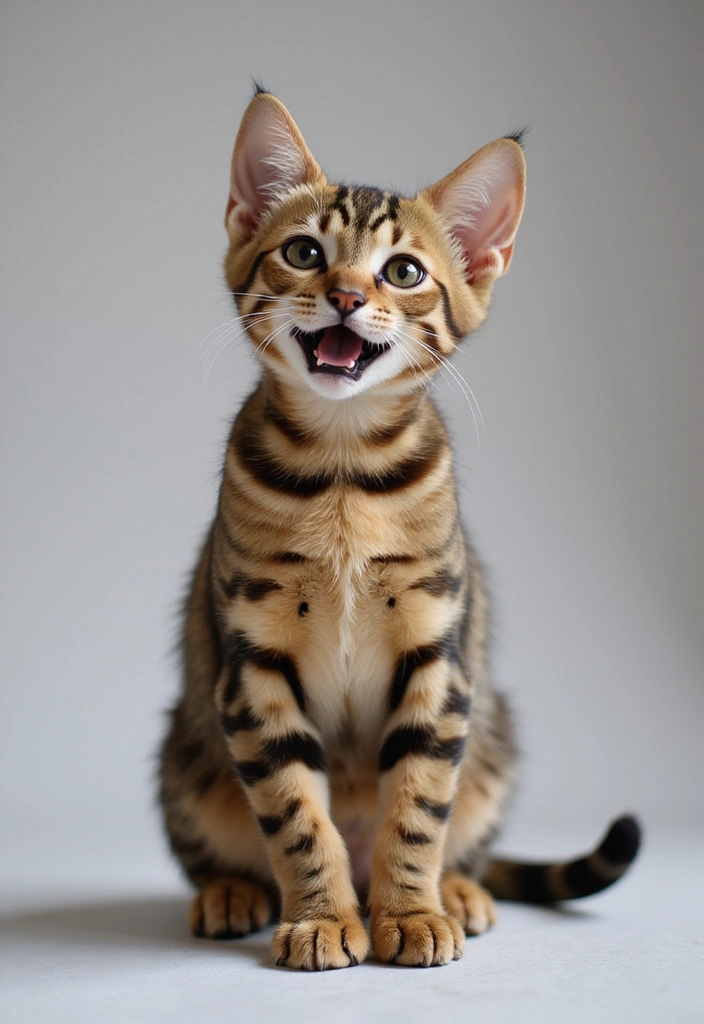
Bengal cats are known for their vocalizations. They have a unique way of expressing themselves, often communicating with soft chirps, trills, and even loud meows.
This vocal nature makes them quite engaging companions, as they will often ‘talk’ back to you. Providing them with attention and responding to their sounds can strengthen your bond. However, it’s essential to take note of their vocalizations as they can signal various emotions, from happiness to frustration. Delving into their communication style can enhance your understanding of your Bengal’s mood and needs.
11. Food Preferences

Bengal cats are known to be picky eaters. Their wild ancestry influences their dietary needs, and they thrive on high-quality, protein-rich food.
Choosing a diet that mimics their natural prey is crucial. Look for cat food with real meat as the first ingredient and avoid fillers like corn or soy. Bengals may also enjoy occasional raw or freeze-dried treats to satisfy their hunting instincts. Keeping their food bowl clean and fresh is vital; they don’t take kindly to stale food! It’s also a good idea to monitor their portions to prevent overeating. Consulting with your vet can help determine the best diet plan.
12. Ideal Living Environment

Bengal cats adapt well to various living environments but require space to roam and explore. They thrive in homes where they can safely browse and climb, making tall furniture or cat trees essential.
If you live in a smaller apartment, consider creating vertical spaces with shelves and perches. Bengals also enjoy a sunny window perch, giving them a place to observe the outside world. Providing them with scratching posts helps keep their claws healthy and offers an outlet for their natural instinct to scratch. Setting up an enriching environment will keep your Bengal entertained and content.
Give your Bengal cat room to roam and climb – they thrive in spaces where they can explore! Create vertical adventures with shelves and cat trees, and watch their playful spirit soar!
13. Socialization with Other Pets
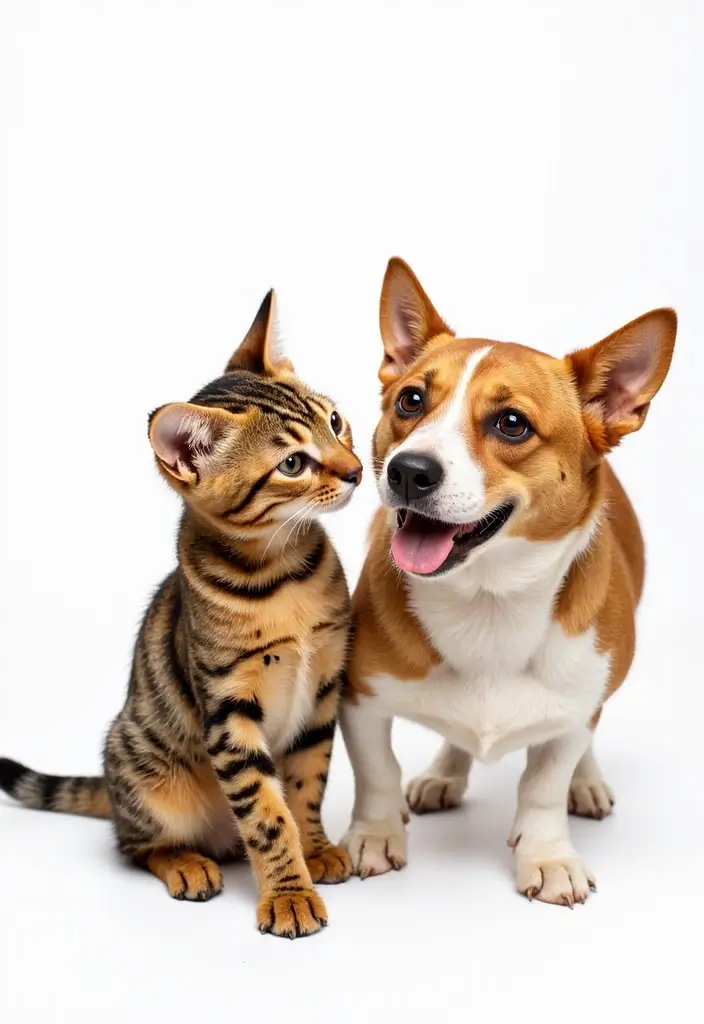
Bengal cats are generally friendly and can get along well with other pets if socialized early. However, their playful and sometimes dominant nature means introductions should be handled carefully.
Start by introducing your Bengal to new pets slowly, allowing both parties to adjust to each other’s presence. Supervised interactions can help prevent any territorial behavior. Bengals often enjoy the company of other active pets, so pairing them with another agile breed can lead to delightful play sessions. Keeping an eye on their interactions will ensure a harmonious household.
14. Bengal Cat Behaviors Explained
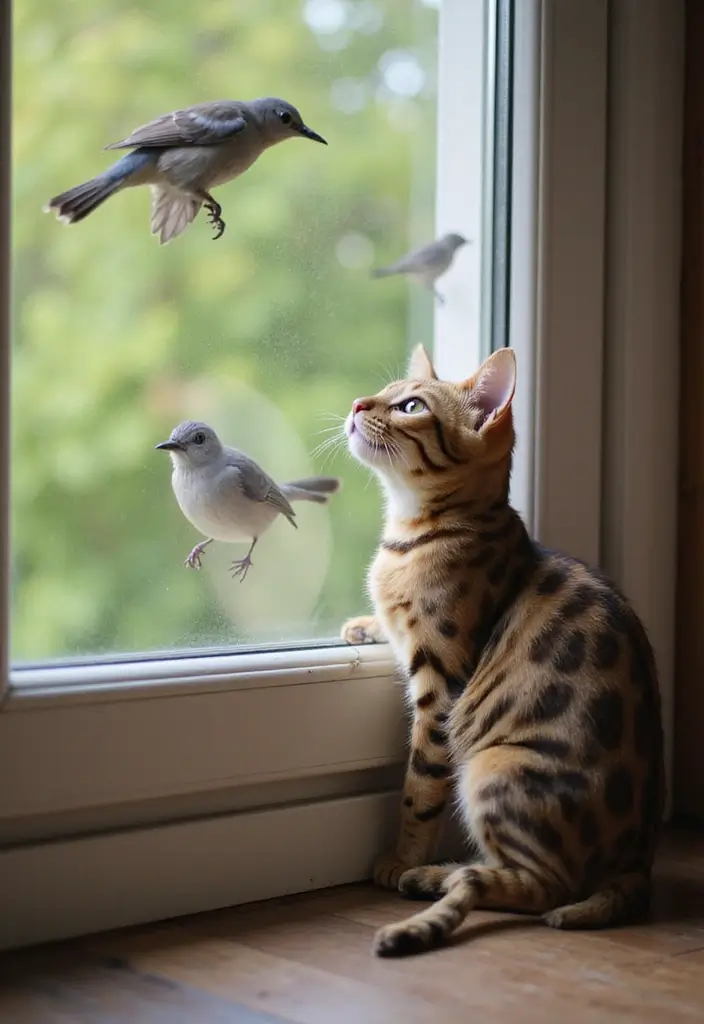
Bengal cats exhibit a variety of interesting behaviors that can sometimes puzzle their owners. Understanding these quirks can enhance your relationship with them. For instance, Bengals often engage in ‘chattering’ when they spot birds or other animals, which is a natural hunting instinct.
They also love to ‘help’ you with everyday tasks, often following you around or trying to join in. Their tendency to knock things off surfaces can be a playful way to explore their environment. Observing these behaviors and responding positively can help strengthen your bond.
15. Lifespan and Aging
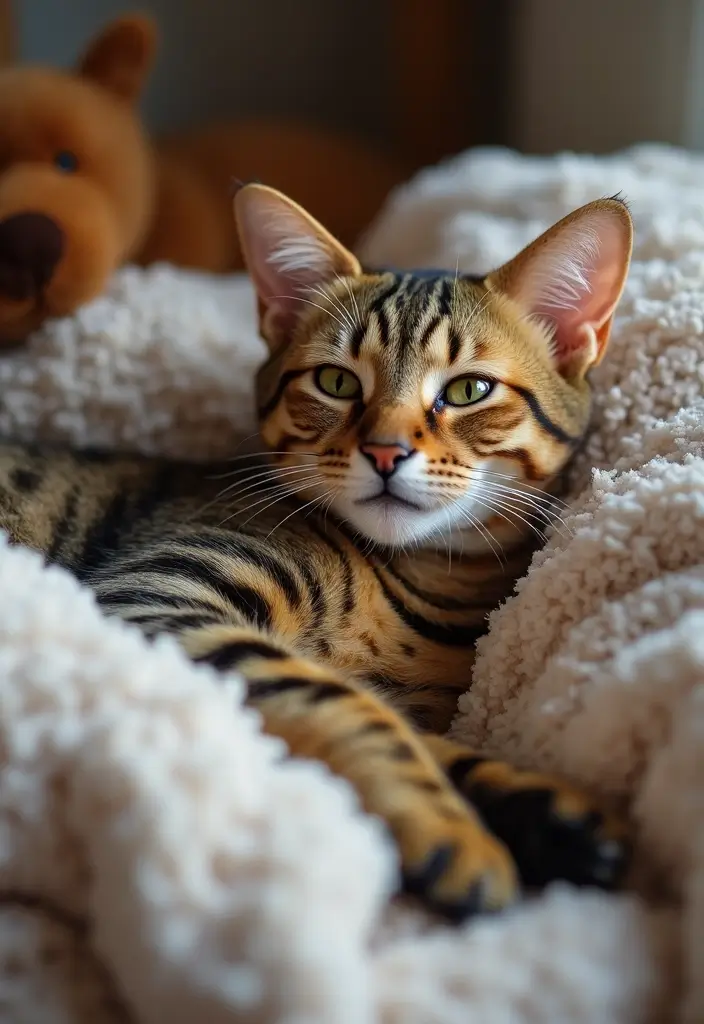
Bengal cats typically have a lifespan of 12 to 16 years, and with proper care, they can live even longer. As they age, it’s essential to adapt their care routine to meet their changing needs.
Regular vet check-ups become crucial for early detection of age-related issues. Keeping their diet nutritious and adjusting exercise levels can help ensure they remain healthy throughout their life stages. Providing a comfortable, quiet space for relaxation becomes increasingly important as they age. With love and attention, your Bengal can enjoy a happy, healthy long life.
16. Bengals and Children
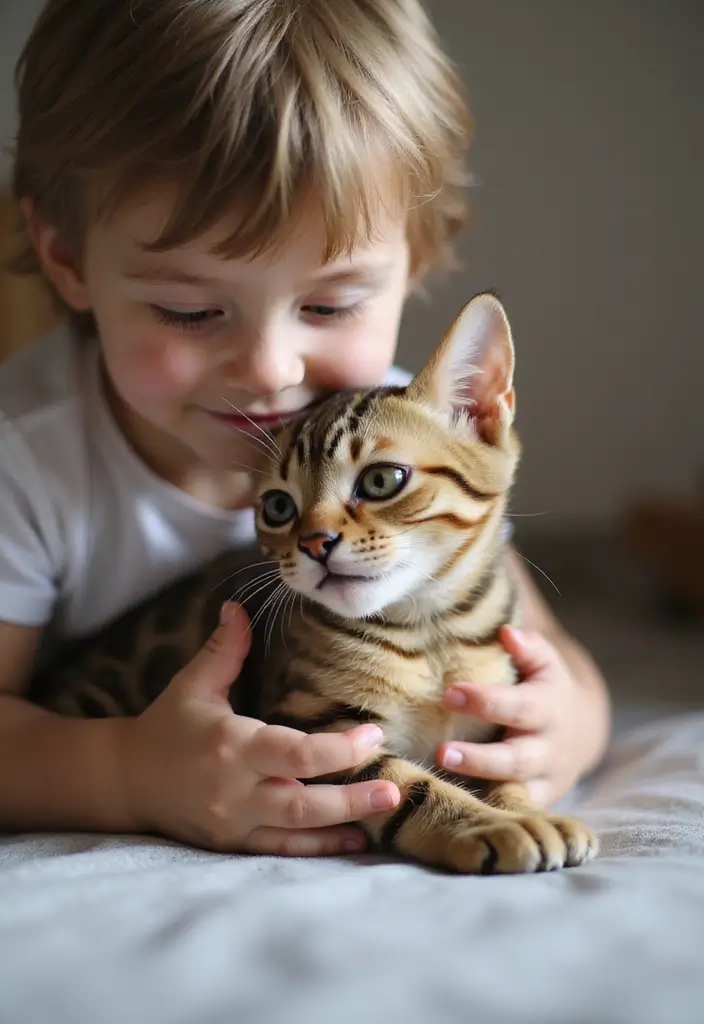
Bengal cats can make excellent companions for families with children. Their playful and energetic nature means they often enjoy interactive playtime with little ones. However, it’s essential to teach children how to approach and handle cats gently.
Supervised interactions can help prevent any accidental rough play, which can stress the cat. Bengals are generally patient and can form strong bonds with children, often becoming protective and affectionate companions. Introducing a Bengal to kids in a calm environment can foster a loving relationship.
Bengal cats are not just pets; they’re playful partners for your kids! With gentle guidance, they can become affectionate companions, teaching kids the joys of responsibility and friendship.
17. Travel Considerations
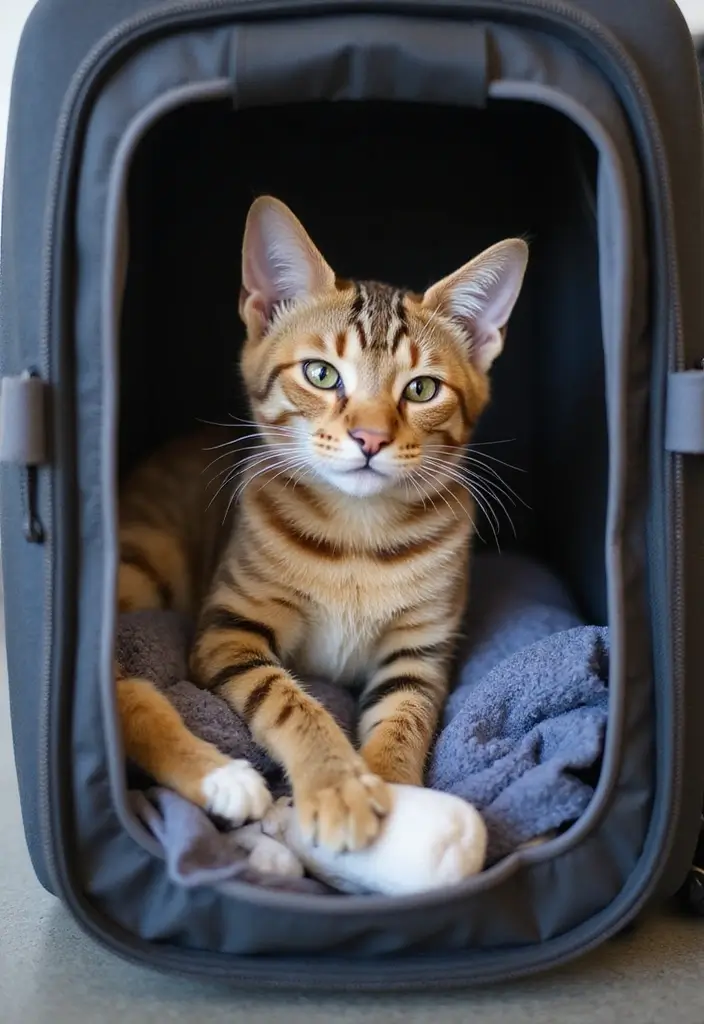
Traveling with a Bengal cat requires careful consideration and planning. Bengals can be more sensitive to changes in their environment than other breeds, so it’s crucial to create a comfortable travel experience for them.
Always use a secure, well-ventilated carrier, and take along familiar items like their blanket or favorite toy to help them feel at ease. If you’re traveling by car, frequent breaks will allow your Bengal to stretch and relieve itself. Keep in mind that sedatives should be used cautiously and only under the guidance of a veterinarian. Ensuring their comfort and safety during travel can make the experience enjoyable for both of you.
Traveling with your Bengal means preparing for adventure! Keep their favorite blanket and toys close, and don’t forget to take regular breaks to stretch their legs. A little planning goes a long way for a happy journey!
18. Understanding Their Body Language
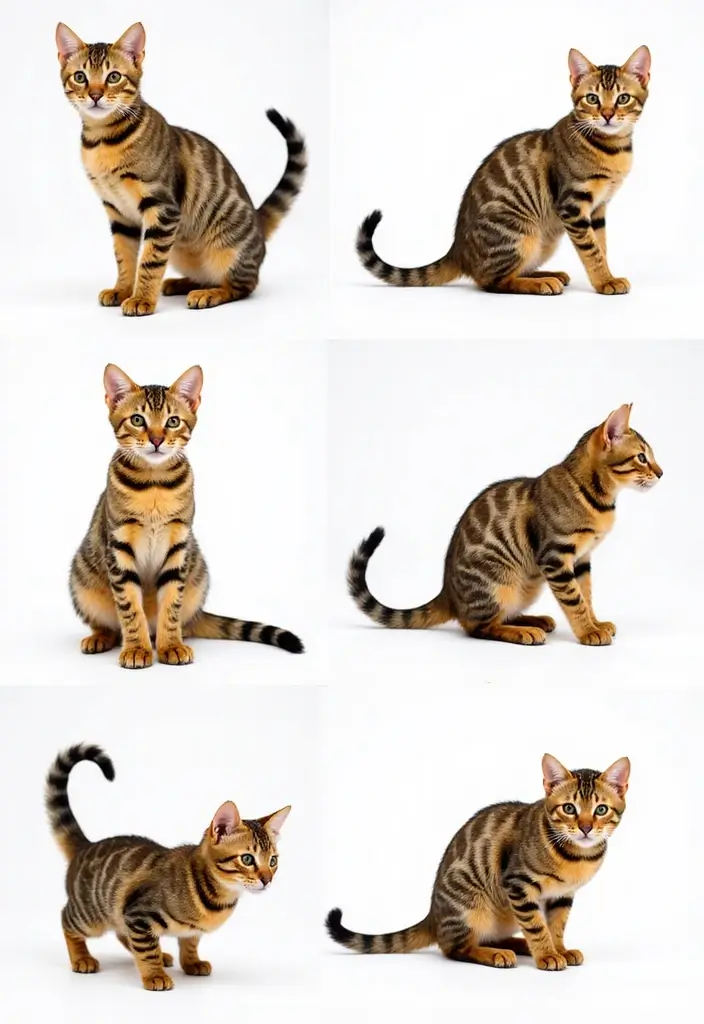
Bengal cats communicate a lot through their body language. Understanding these signals can help you respond better to their needs. For instance, if your Bengal is rubbing against you, it’s a sign of affection. Conversely, if they flatten their ears, it may indicate discomfort or annoyance.
Watching their tail position can also provide insights; a high tail means they are happy and confident, while a flicking tail indicates agitation. Being attentive to these cues helps build trust and strengthen your bond. The more you understand their language, the easier it is to keep them happy.
19. Bengal Cat Myths Debunked
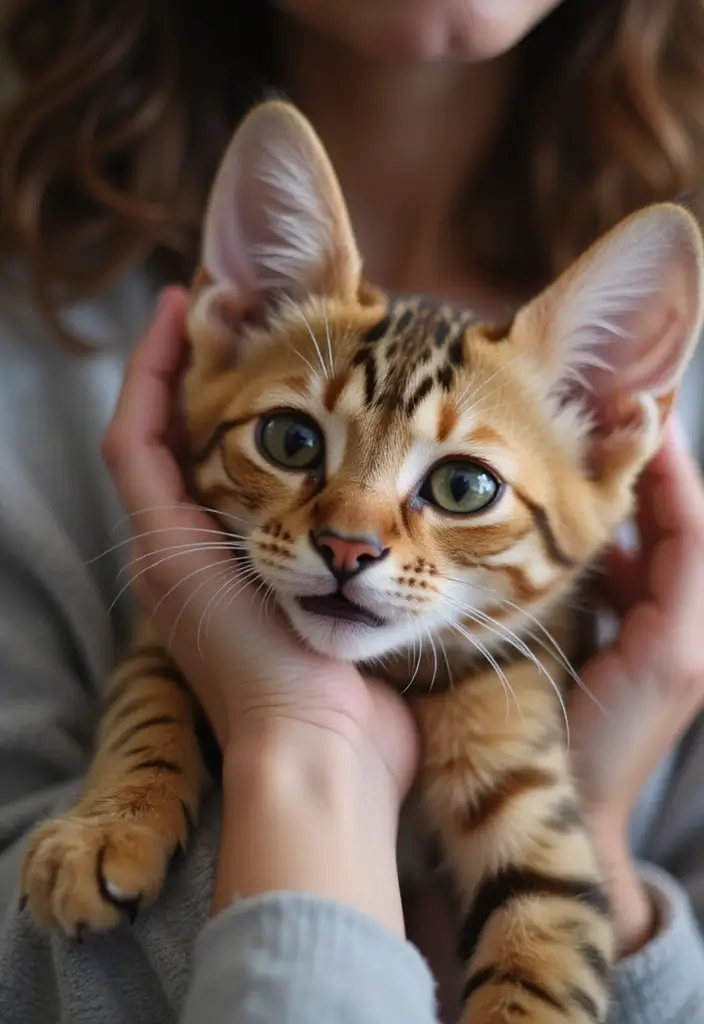
There are many myths surrounding Bengal cats that can lead to misunderstandings about their behavior. One common myth is that they’re aggressive due to their wild ancestry. In reality, Bengals can be quite affectionate and loving when properly socialized.
Another myth is that they require more care than other breeds, but with a proper understanding of their needs, they can adapt to various lifestyles. Educating yourself about these myths can help you appreciate these beautiful cats more and allow you to provide the best care possible.
20. Adopting a Bengal: What to Know

If you’re considering adopting a Bengal cat, there are several factors to keep in mind. Research reputable breeders or rescues that prioritize the health and temperament of their animals.
Before making a commitment, consider whether your lifestyle can accommodate the needs of a Bengal, such as regular playtime and social interaction. It’s also essential to prepare your home for their arrival, ensuring it is safe and stimulating. After adoption, giving them time to adjust to their new environment is crucial for their well-being.
21. Bengal Cats and Seasonal Changes

Bengal cats can be affected by seasonal changes, particularly in terms of their energy levels and grooming needs. During warmer months, they may shed more, requiring more frequent grooming sessions.
In colder months, they may become more snuggly and seek warmth, so providing cozy spots for them to curl up is essential. Understanding how the seasons impact your Bengal can help you adjust their care routine. Additionally, some Bengals may enjoy playing in the snow or basking in the sun, so providing outdoor experiences can enrich their lives.
22. Enrichment Activities
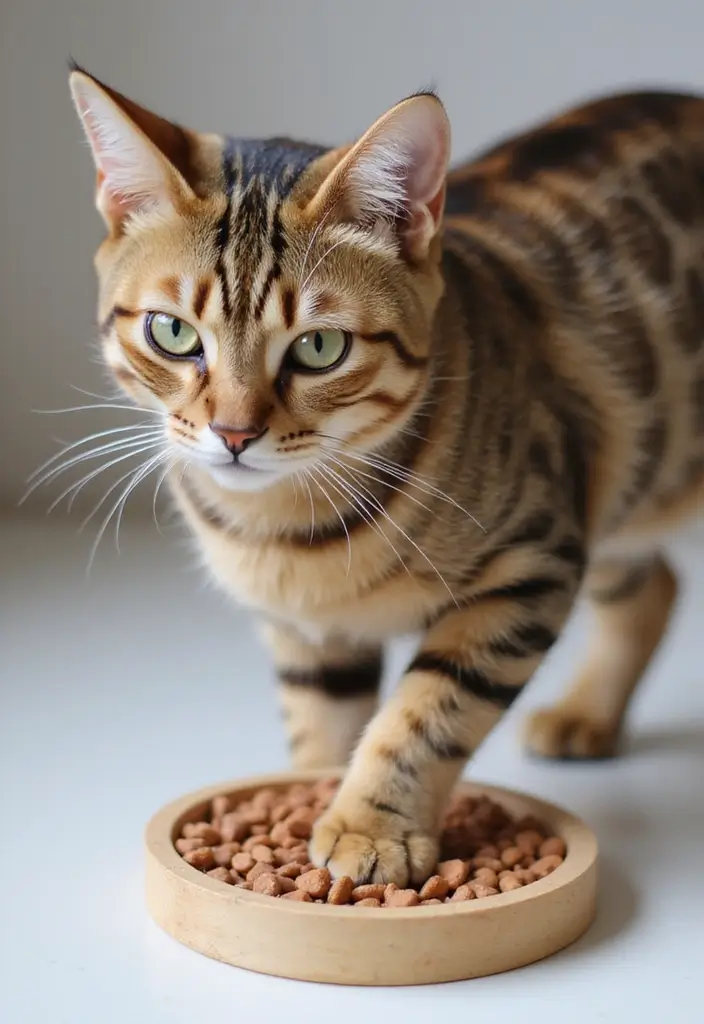
Providing mental and physical enrichment activities can help keep your Bengal cat engaged and happy. Consider setting up a scavenger hunt with treats hidden around the house or introducing new toys with different textures and sounds.
Interactive feeders can challenge their problem-solving skills while providing a rewarding experience. You can also create a DIY puzzle with cardboard boxes or craft toys that require them to figure out how to retrieve a treat. Keeping their environment stimulating will help prevent boredom and encourage natural behaviors.
23. Preparing for a New Arrival
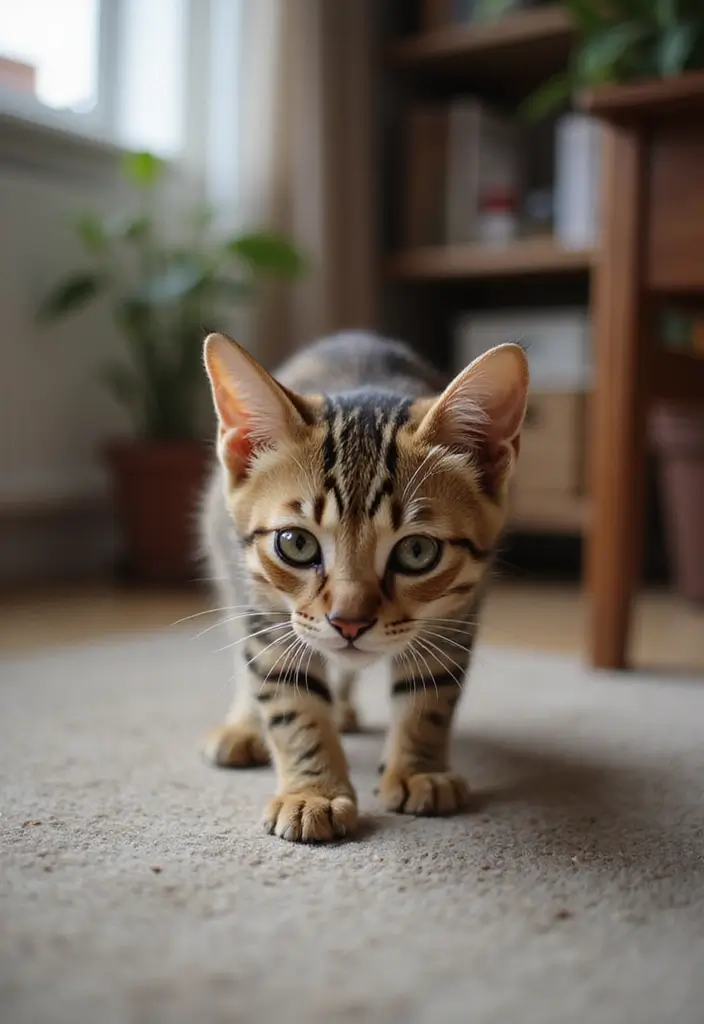
When introducing a new Bengal cat to your home, preparation is key to ensuring a smooth transition. Set up a designated space with all the essentials—food and water bowls, a litter box, and a cozy bed.
Allow your Bengal time to acclimate to their new surroundings, limiting interactions with other pets or family members at first. Gradual introductions can help reduce stress and anxiety. Incorporating familiar items, like blankets or toys from their previous environment, can also ease the transition. A little patience goes a long way in helping your Bengal feel safe and secure.
24. Eco-Friendly Cat Care
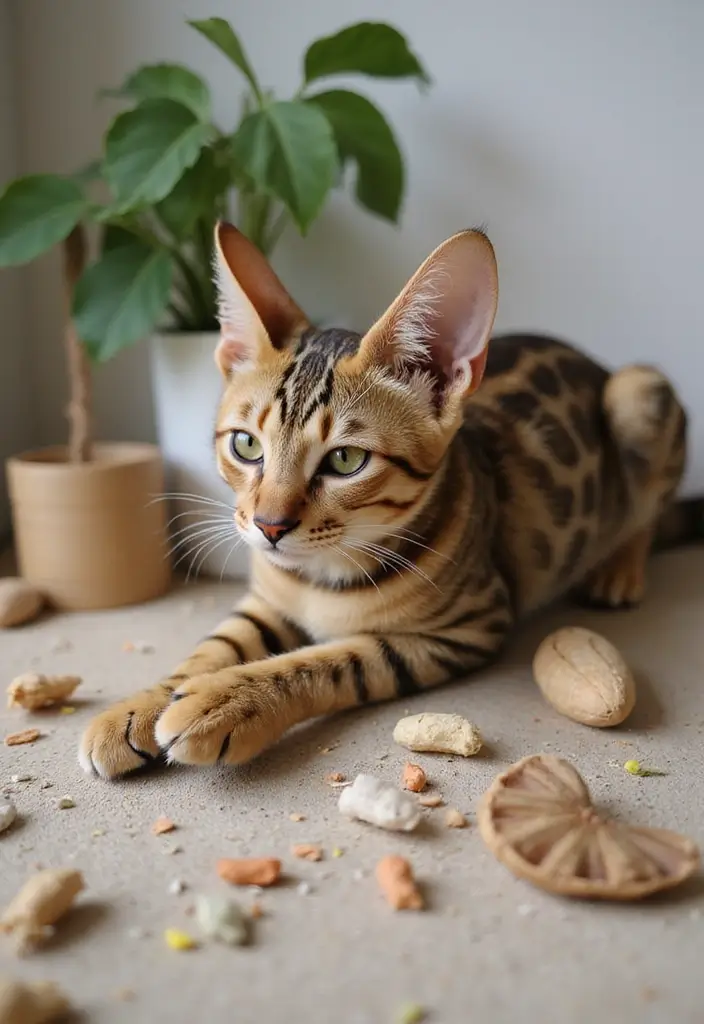
As an environmentally conscious cat owner, exploring eco-friendly care options for your Bengal can be rewarding. Consider using sustainable cat litter products made from recycled materials or natural alternatives like corn or wheat.
You can also opt for organic cat food brands that prioritize natural ingredients and ethical sourcing. Toys made from recycled materials are not only good for the planet but also safe for your pet. Incorporating eco-friendly practices in your Bengal’s care routine can contribute to a healthier environment for both your pet and the planet.
25. Traveling with Bengals: Tips

Traveling with your Bengal cat can be a fun experience if done right. Ensure you have all the necessary supplies, including a secure carrier, food, water, and familiar toys.
Prepare your cat for travel by getting them used to the carrier beforehand, allowing them to explore it as a safe space. During the trip, maintain a calm environment, speaking softly and reassuringly to ease any anxiety. If traveling long distances, plan for regular breaks and hydration. Keeping your Bengal comfortable will make the journey enjoyable for both of you.
26. Seasonal Grooming Tips
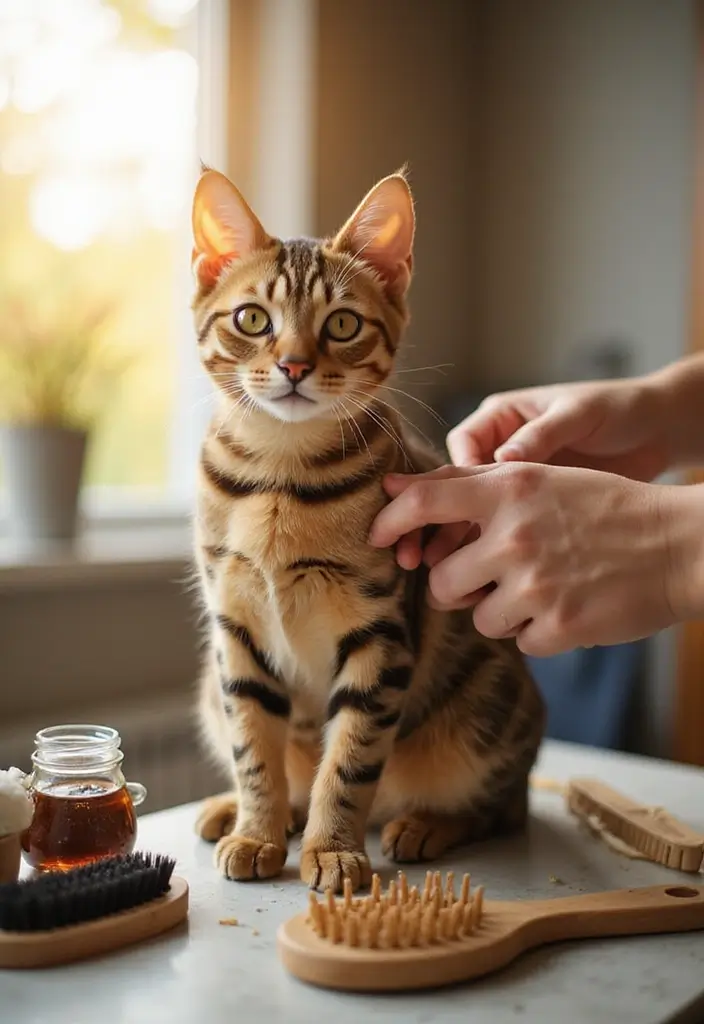
As the seasons change, so do your Bengal’s grooming needs. In spring and summer, they tend to shed more, making regular brushing essential to keep their coat healthy and reduce allergens in your home.
During cooler months, grooming can help distribute natural oils, promoting a shiny coat and preventing dryness. Regular baths are usually unnecessary, but if you choose to bathe your Bengal, ensure to use cat-specific shampoo that is gentle on their skin. Staying attuned to their grooming requirements throughout the year will keep your Bengal looking and feeling great.
27. Building a Bengal Community
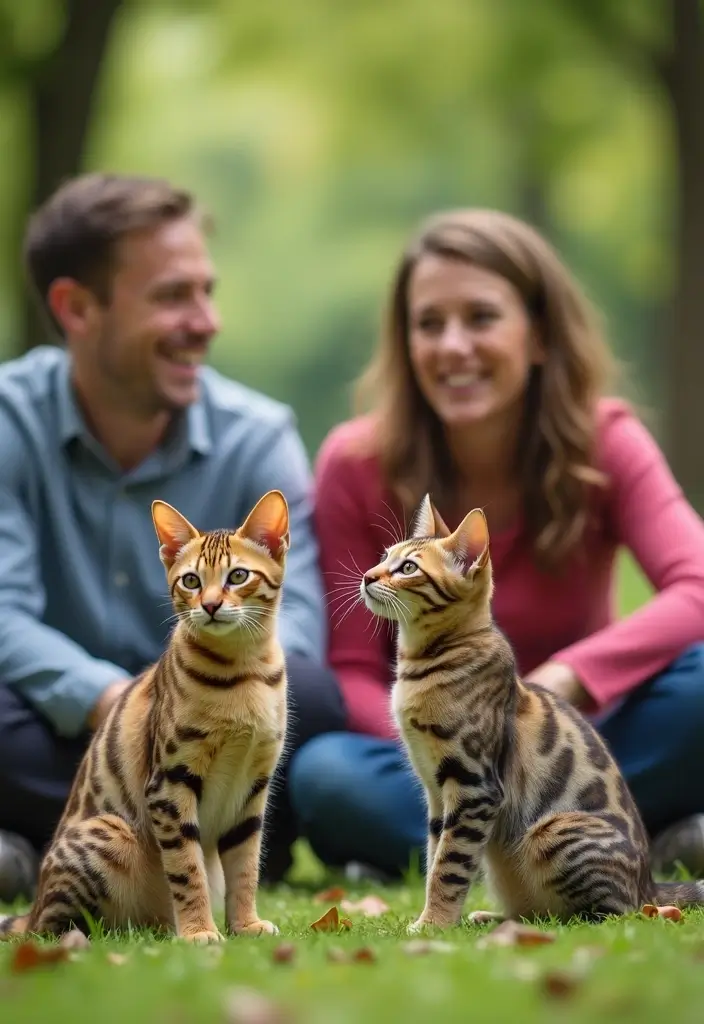
Connecting with other Bengal cat owners can enhance your experience and provide valuable insights into their care. Joining local or online Bengal cat communities allows you to share experiences, tips, and support.
You can learn about best practices in training, health care, and grooming, and stay updated on breed-specific events or meet-ups. Participating in these communities not only helps you grow as a cat owner but also fosters a sense of belonging among fellow Bengal enthusiasts. Sharing stories about your Bengal can lead to lasting friendships and enrich your experience.
28. Final Thoughts on Bengal Care
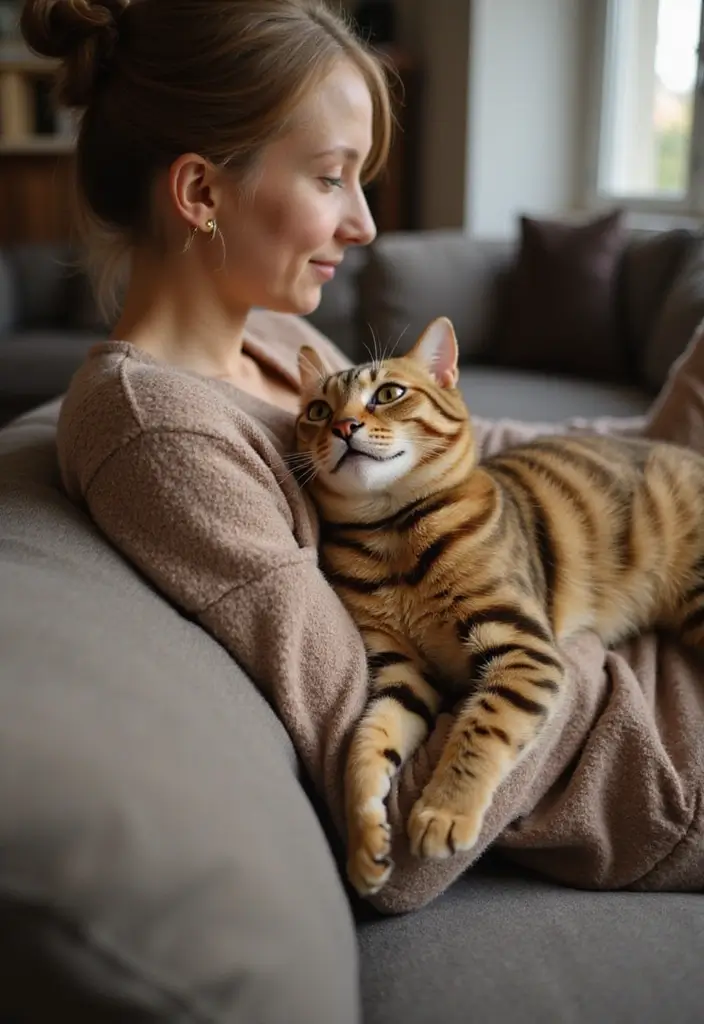
Bengal cats can be wonderful companions when you understand their unique needs and behaviors. Their striking appearance, playful demeanor, and social nature make them a joy to own.
By providing a nurturing environment, engaging in regular playtime, and staying attuned to their health, you can ensure your Bengal thrives. Embracing their quirks and celebrating their individuality will only deepen the bond you share. Remember, every Bengal is unique and deserves love and understanding as they become part of your family.
Conclusion
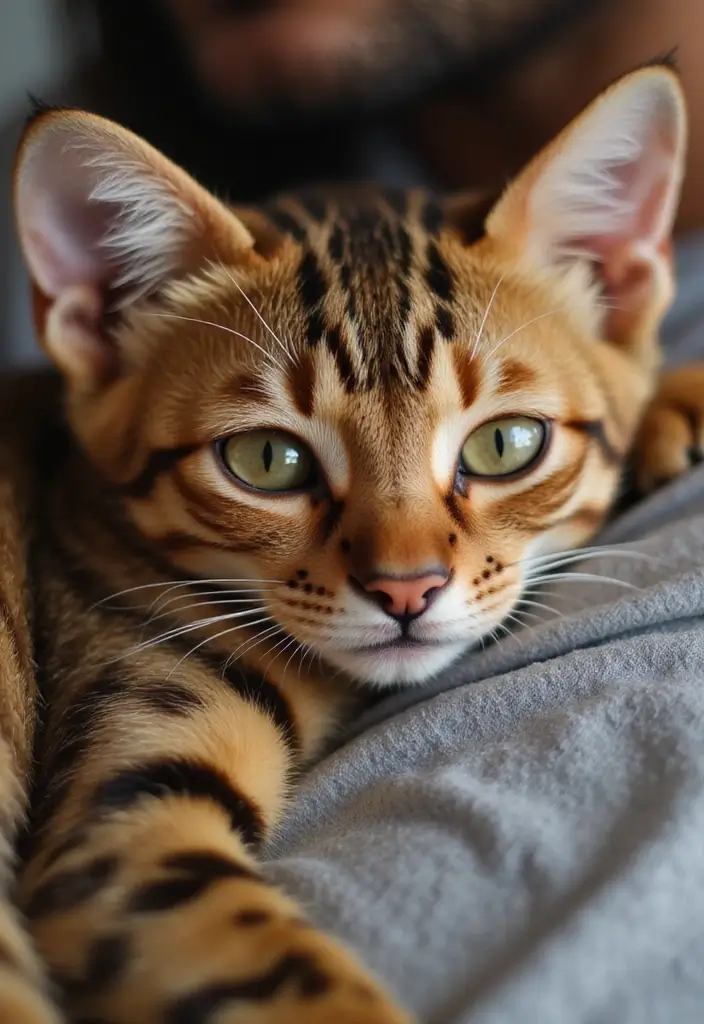
Bengal cats are a delightful mix of beauty, intelligence, and personality, making them a cherished member of many families.
Understanding their unique needs in terms of care, training, and socialization will not only enhance your relationship but also contribute to their well-being. Adopting a Bengal is a commitment to a joyful, engaging journey together. Let’s celebrate these amazing cats and ensure they receive the love and attention they truly deserve!
Frequently Asked Questions
What Makes Bengal Cats Unique Compared to Other Breeds?
Bengal cats stand out with their striking leopard-like spots and vibrant coats, but their uniqueness goes beyond appearance. They are known for their high energy and playful personalities. These cats thrive on interaction and love engaging in mentally stimulating activities, making them a joy for owners who enjoy an active pet.
Additionally, their social nature allows them to bond closely with their human families, often seeking companionship and attention.
How Should I Train My Bengal Cat Effectively?
Training a Bengal cat can be a rewarding experience due to their intelligence and curiosity. Start with positive reinforcement techniques, such as treats or praise, when they follow commands or display desired behaviors. Incorporate fun activities like puzzle toys or clicker training to keep their minds engaged.
Consistency is key! Regular short training sessions are more effective than long, infrequent ones. This approach not only teaches them tricks but also strengthens your bond.
What Are the Grooming Needs of a Bengal Cat?
Bengal cats have short, luxurious coats that require regular grooming to maintain their health and shine. Brushing them once a week can help reduce shedding and prevent matting. It’s also a great opportunity for bonding!
In addition to brushing, keep an eye on their nails and ears. Regular trimming and cleaning will ensure your Bengal remains comfortable and healthy. And don’t forget, a good diet plays a role in coat health, so invest in high-quality food that meets their nutritional needs.
Are Bengal Cats Good with Children and Other Pets?
Absolutely! Bengal cats are known for their social nature and often thrive in family environments. They can be excellent companions for children, enjoying interactive playtime and making for playful partners.
When introducing a Bengal to other pets, it’s essential to do so gradually and under supervision. Their playful demeanor can sometimes be seen as dominant, so early socialization is crucial. With proper introductions, they generally get along well with other animals.
What Health Issues Should I Be Aware of with Bengal Cats?
Like all breeds, Bengal cats can be prone to specific health concerns, with hypertrophic cardiomyopathy (HCM) being one of the most common. Regular veterinary check-ups are essential for early detection and management of potential health issues.
Additionally, it’s crucial to monitor their weight and nutrition, as they can be prone to obesity if not properly managed. Keeping them active and providing a balanced diet will help maintain their overall health and well-being.
Related Topics
bengal cat care bengal cat training bengal cat grooming bengal cat behavior bengal cat personality high energy pets cat socialization intelligent cats pet travel tips eco-friendly pet care bengal cat adoption seasonal cat care