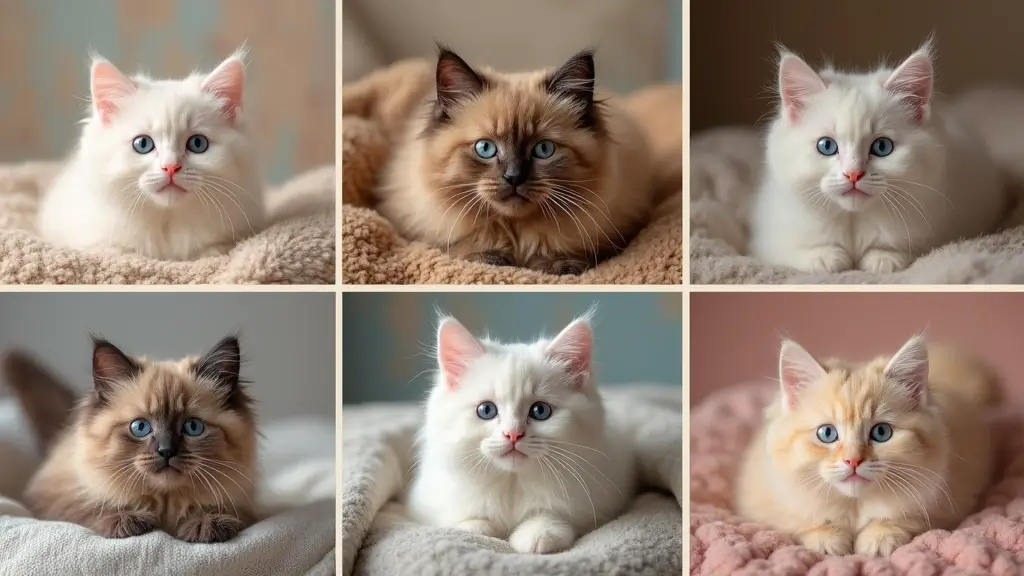
Ragdoll cats are a unique and wonderful breed that capture hearts with their soft fur, gentle temperament, and striking looks.
They’re not just pets; they’re family members who deserve the best care and love. Understanding their health, grooming needs, and the beautiful array of colors they come in can make all the difference in ensuring a happy, healthy life for your feline friend. This guide is packed with tips that every Ragdoll owner should know, from the quirks of their personality to the best practices for their grooming and overall wellness.
Let’s take a deep dive into the world of Ragdoll cats and discover how to keep them purring and thriving!
1. Understanding Ragdoll Cat Traits
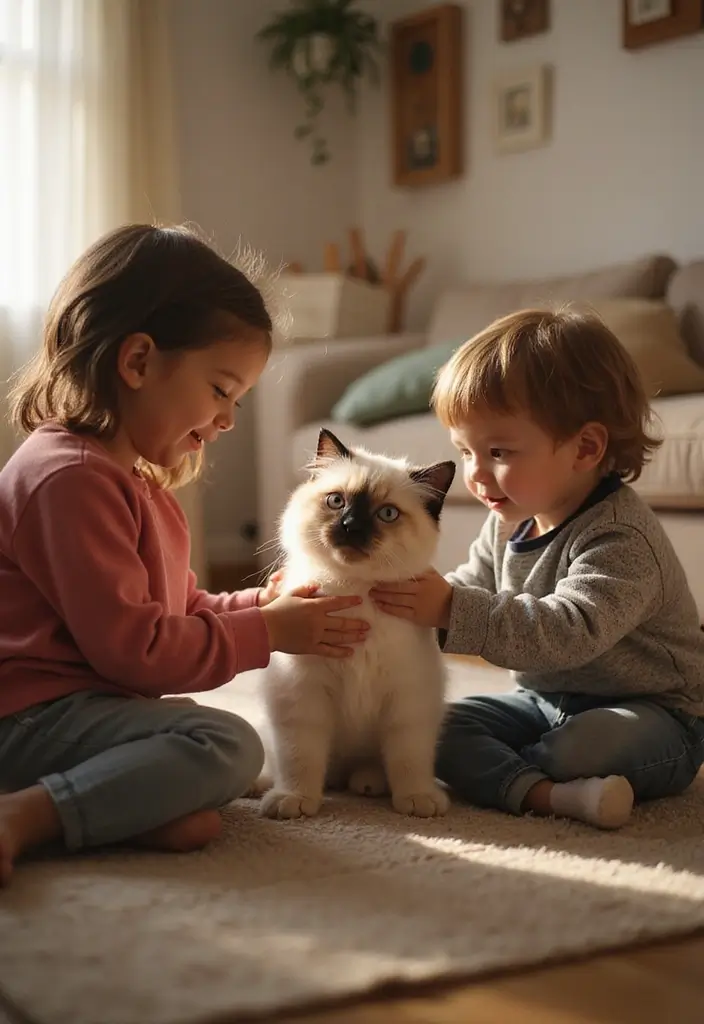
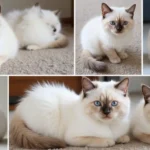
Ragdoll cats are famous for their affectionate nature and striking looks. They often have blue eyes and semi-long hair, which can come in various colors and patterns. One of their most captivating traits is their tendency to go limp when picked up, hence the name ‘Ragdoll.’
They thrive on companionship, often following their owners around like little shadows. This breed is not just about looks; they have outgoing personalities that make them wonderful companions. Keep in mind, though, that Ragdolls are also quite playful and enjoy interactive playtime.
To truly understand your Ragdoll, observe their playful antics, gentle behavior, and social nature. Here’s what makes them special:
– Social Butterflies: They love being around people.
– Calm and Gentle: Rarely aggressive, they’re perfect for families.
– Child-Friendly: Great with kids and other pets.
– Lap Cats: They enjoy cuddling and being close to their humans.
These traits make Ragdolls not just great pets but also delightful family members.
2. The Importance of Regular Grooming
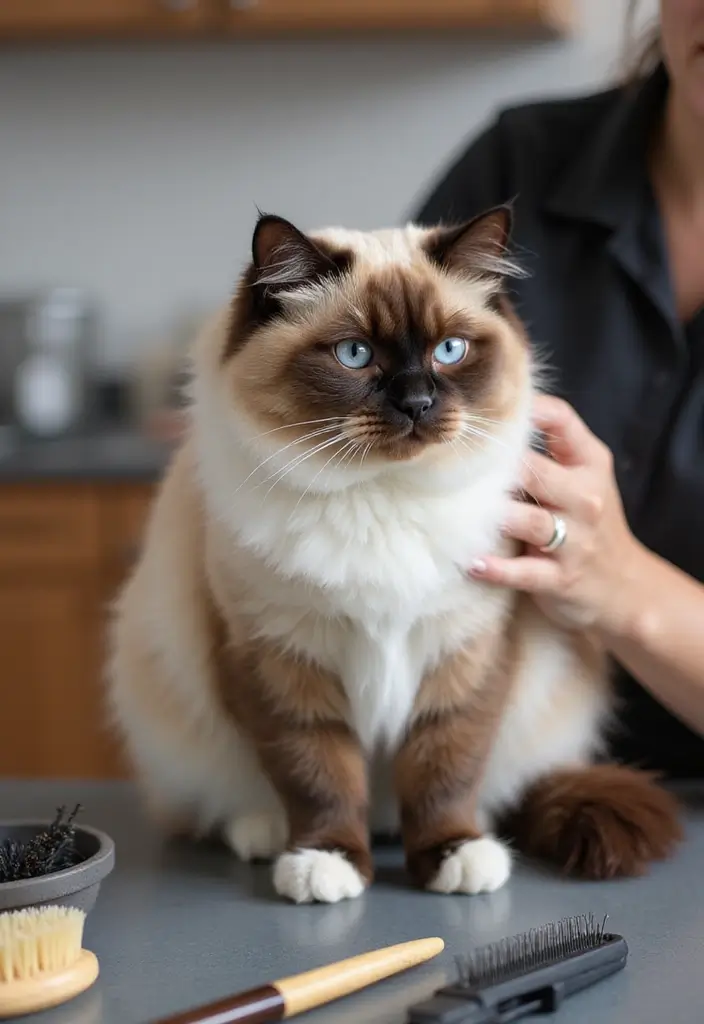
Grooming is vital for caring for Ragdoll cats. Their semi-long fur, while beautiful, can mat easily if not cared for properly. Regular brushing not only helps prevent tangles but also reduces shedding and distributes natural oils for a healthy coat.
Aim to brush your Ragdoll at least 2-3 times a week, and more often during shedding seasons. Use a wide-toothed comb followed by a slicker brush to tackle any knots. While grooming, check for any skin issues or parasites.
Here are some tips to make grooming a breeze:
– Start Early: Get your Ragdoll used to being brushed as a kitten.
– Use the Right Tools: Invest in good quality brushes.
– Create a Routine: Make grooming a fun, bonding activity.
– Be Gentle: Always handle them with care to avoid stress.
This routine will keep your Ragdoll looking gorgeous and feeling comfortable.
3. Nutrition for Ragdolls: Choosing the Right Food
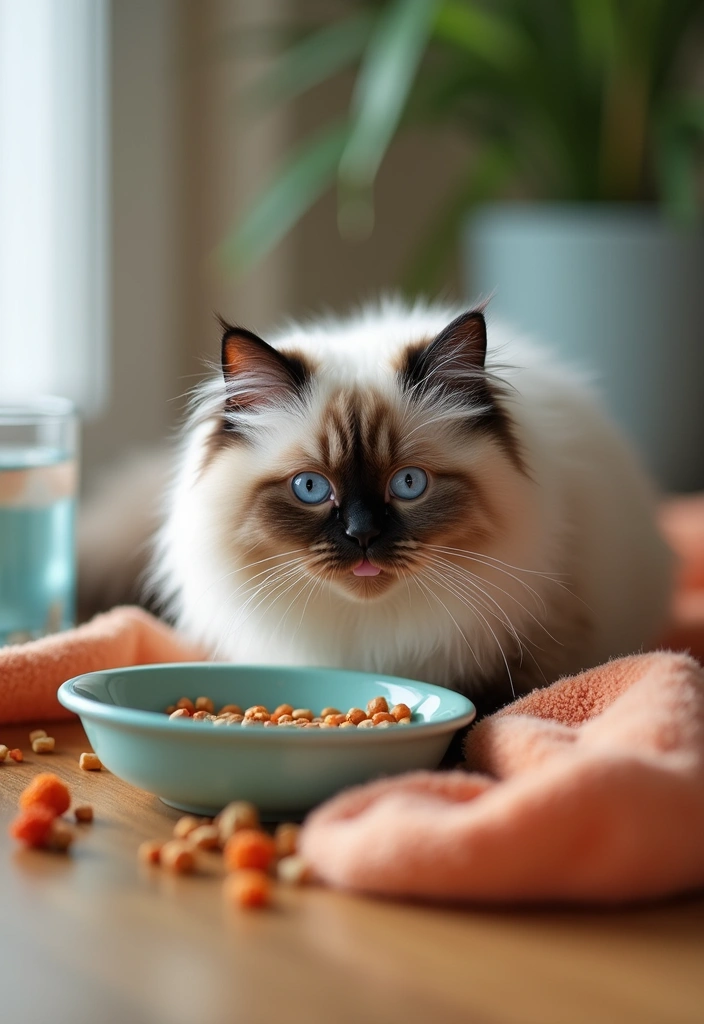
Giving your Ragdoll the right nutrition is essential for their health and vitality. They are prone to certain health issues, so a well-balanced diet tailored to their specific needs is crucial.
Look for high-quality cat food rich in protein, low in fillers, and containing essential vitamins and minerals. Ragdolls can also benefit from wet food in addition to dry kibble for hydration. Always choose foods formulated for their life stage, whether kitten, adult, or senior.
Here are some nutritional tips to keep your Ragdoll thriving:
– Consult Your Vet: Discuss dietary needs with your veterinarian.
– Check Ingredients: Ensure high protein is the first ingredient listed.
– Monitor Weight: Ragdolls can be prone to obesity; keep an eye on their weight.
– Hydration is Key: Provide fresh water daily to keep them hydrated.
With the right diet, your Ragdoll can enjoy a long, healthy life.
4. Signs of a Healthy Ragdoll
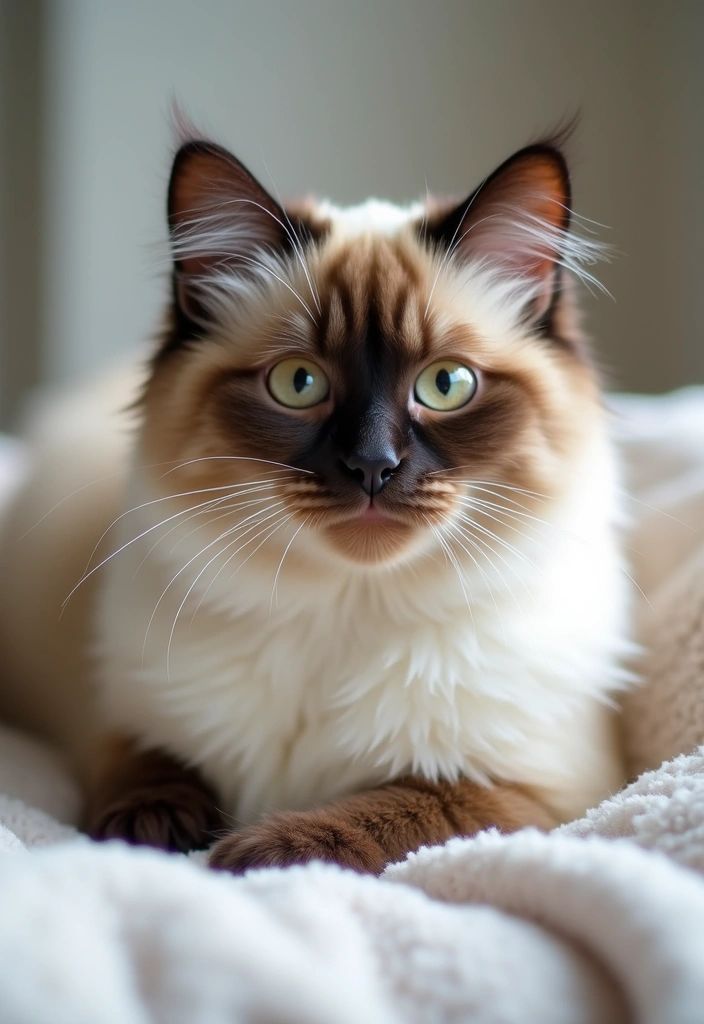
Recognizing signs of health in your cat Ragdoll is key to ensuring they live a happy life. Regular check-ups with your vet are important, but knowing what to look for at home can make all the difference.
A healthy Ragdoll should have bright eyes, a clean coat, and a healthy appetite. Pay attention to their behavior; if they become lethargic or are not grooming themselves, it might be a sign of illness. Regular dental care is also essential for preventing tooth decay.
Here’s a quick checklist for a healthy Ragdoll:
– Vibrant Eyes: Clear and alert.
– Clean Coat: No excessive shedding or mats.
– Normal Weight: Not too thin or overweight.
– Active Behavior: Engaging in play and interaction.
By keeping an eye on these signs, you can catch any potential health issues early on.
5. Common Health Issues in Ragdolls
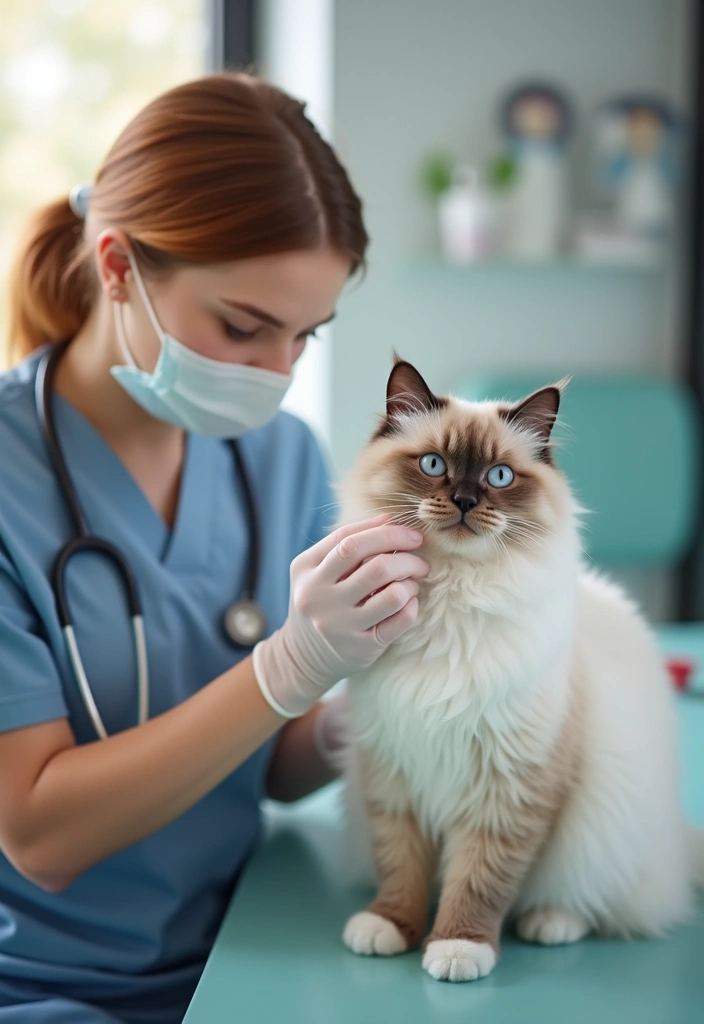
Being aware of common health issues in Ragdolls can prepare you for potential challenges. This breed can be prone to genetic conditions such as hypertrophic cardiomyopathy, a heart disease common in cats.
Other concerns include obesity due to their laid-back nature, dental problems due to soft diets, and urinary tract issues. Regular vet visits and preventive care are essential to catch these issues early.
Here are some common health issues to watch for:
– Heart Disease: Regular vet check-ups can help.
– Obesity: Promote an active lifestyle and monitor their diet.
– Dental Issues: Regular dental cleanings are vital.
– Urinary Problems: Ensure they drink plenty of water.
Understanding these health issues can help you take proactive steps to keep your Ragdoll healthy.
6. The Perfect Environment for Your Ragdoll
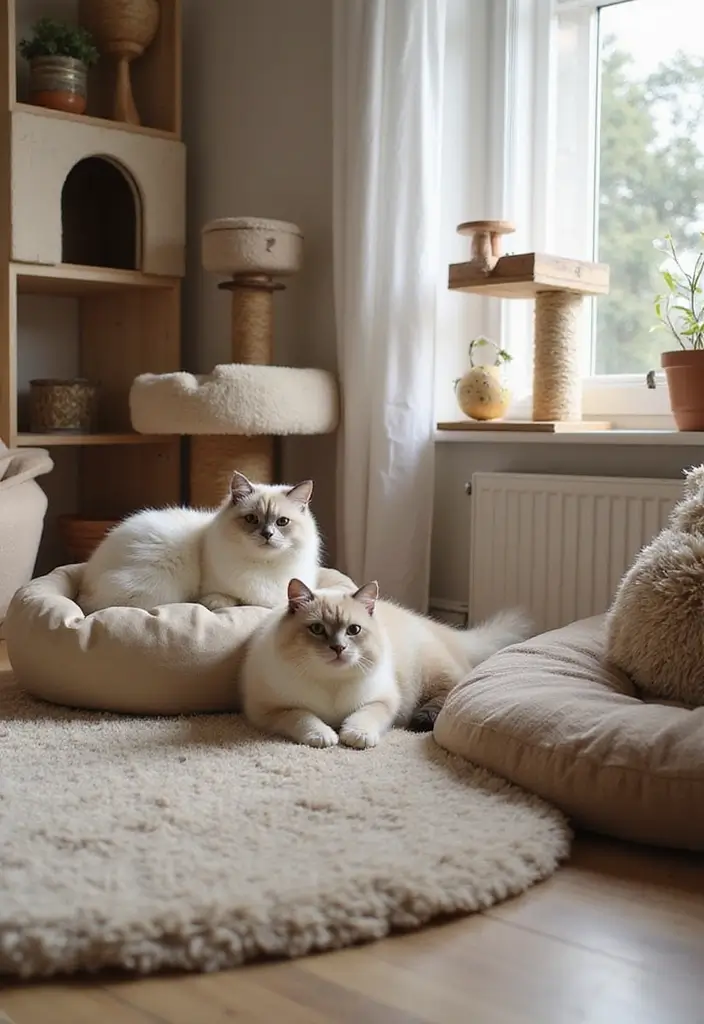
Creating an ideal environment for your Ragdoll can enhance their well-being and happiness. These cats prefer calm settings where they can feel safe and secure. Soft bedding, cozy napping spots, and interactive toys contribute to their contentment.
Make sure to provide vertical spaces like cat trees or shelves for climbing, as Ragdolls love to survey their territory from above. Keep their litter box in a private, quiet area and maintain cleanliness to avoid any behavioral issues.
Some tips for setting the scene:
– Provide Cozy Spots: Soft blankets and cushions are perfect.
– Interactive Play Areas: Toys and climbing structures keep them engaged.
– Quiet Spaces: Ensure they have a retreat when they need peace.
– Air Quality: Fresh air and clean spaces promote health.
With these elements in place, your Ragdoll will thrive in a delightful home.
7. Socializing Your Ragdoll Cat
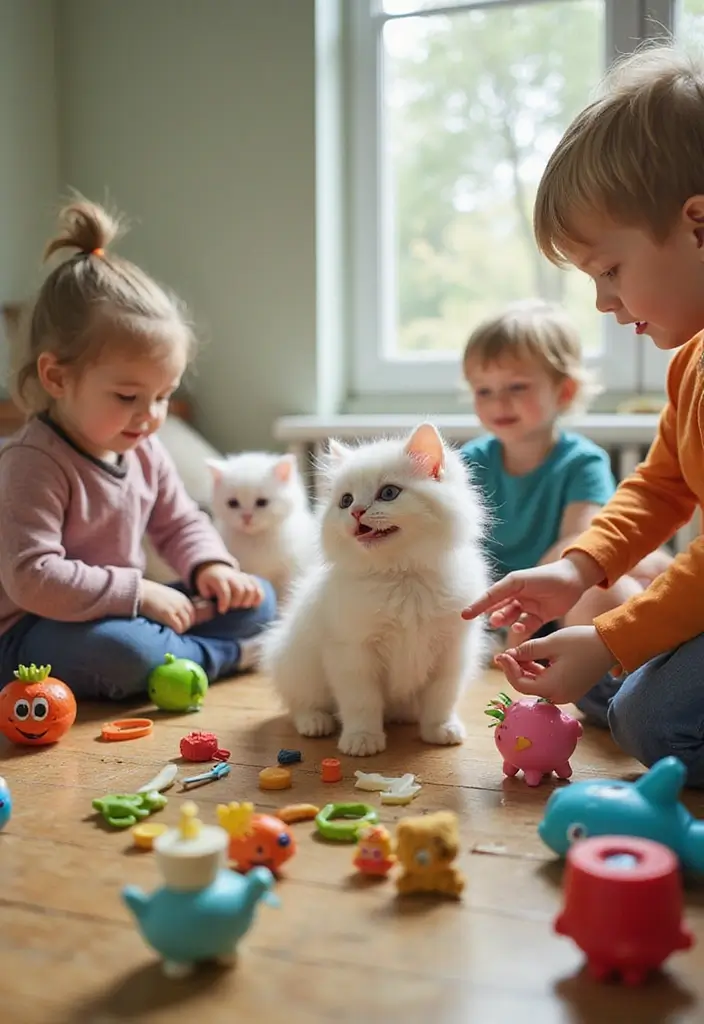
Socializing your Ragdoll is crucial for their development and happiness. These cats are naturally friendly, but early exposure to different environments, sounds, and people can enhance their calm demeanor.
Start socialization during kittenhood, introducing them to various experiences gradually. Ragdolls usually get along with other pets and children, so ensure they have positive interactions to build their confidence.
Here are some tips for successful socialization:
– Start Young: Introduce them to different people and pets early.
– Positive Reinforcement: Use treats and praise to encourage good behavior.
– Safe Space: Provide a safe retreat when they feel overwhelmed.
– Regular Interactions: Keep up social experiences throughout their life.
A well-socialized Ragdoll will be a happier, well-adjusted companion.
8. Litter Box Training for Ragdolls
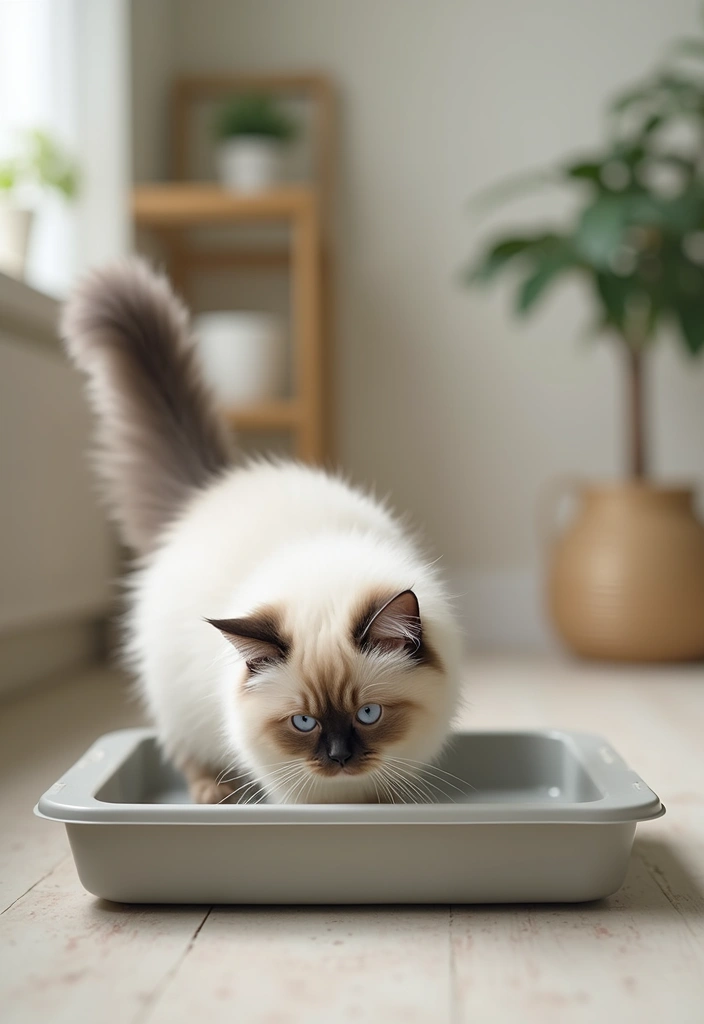
Litter box training is crucial for maintaining a clean and stress-free environment for your Ragdoll. They are usually intelligent and can adapt easily, but a few steps can ensure success.
Choose a litter box with low sides for easy access, and experiment with different types of litter to find what your cat prefers. Keep the box in a quiet, easily accessible area, and clean it regularly to encourage use.
Consider these training tips:
– Introduce Gradually: Let them explore the box before expecting them to use it.
– Clean Frequently: A clean box promotes good habits.
– Avoid Strong Scents: Use unscented litter to avoid aversion.
– Provide Multiple Boxes: In multi-pet households, have enough litter boxes for everyone.
With patience and the right setup, your Ragdoll will be litter trained in no time!
9. Fun Playtime Ideas for Ragdolls
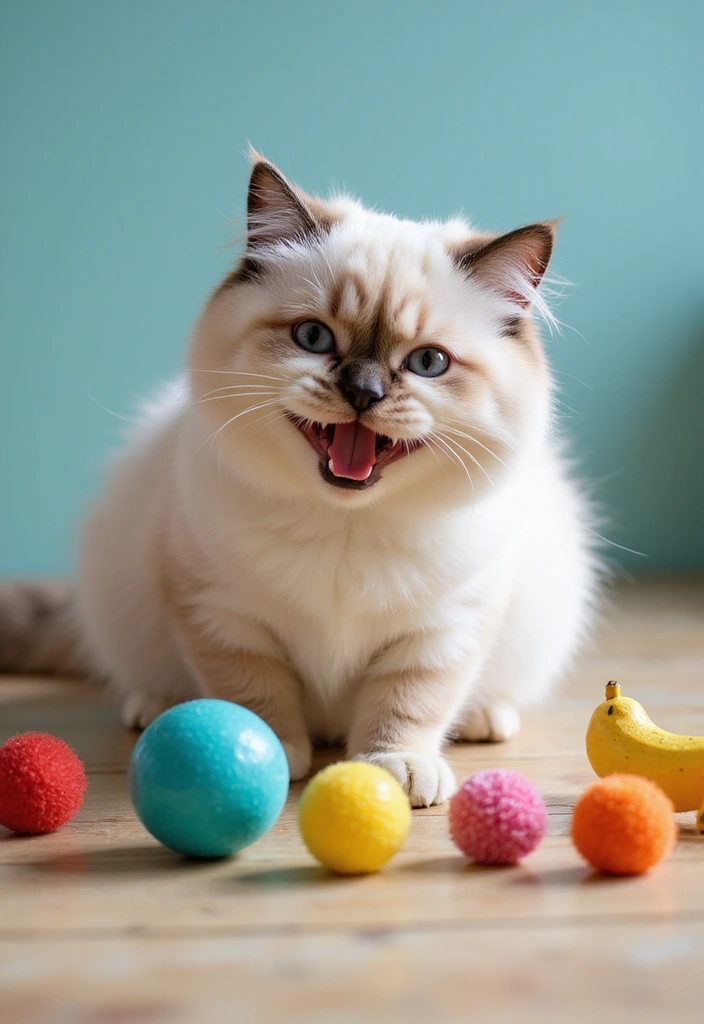
Ragdolls are playful and love engaging with their owners. Playtime is essential not only for exercise but also for mental stimulation. Incorporating a variety of toys and activities can keep your Ragdoll entertained and happy.
Consider using feather wands, laser pointers, or interactive toys that mimic prey. Rotating toys regularly keeps their interest. Set aside time each day for dedicated play; this strengthens your bond and helps burn off excess energy.
Here are some fun playtime ideas:
– Interactive Toys: Puzzle feeders provide mental stimulation.
– DIY Toys: Create fun toys from household items like strings or boxes.
– Hide and Seek: Play games that challenge their instincts.
– Catnip Fun: Introduce catnip for extra excitement.
With these ideas, your Ragdoll will be entertained and engaged!
10. Training Your Ragdoll: Commands and Tricks
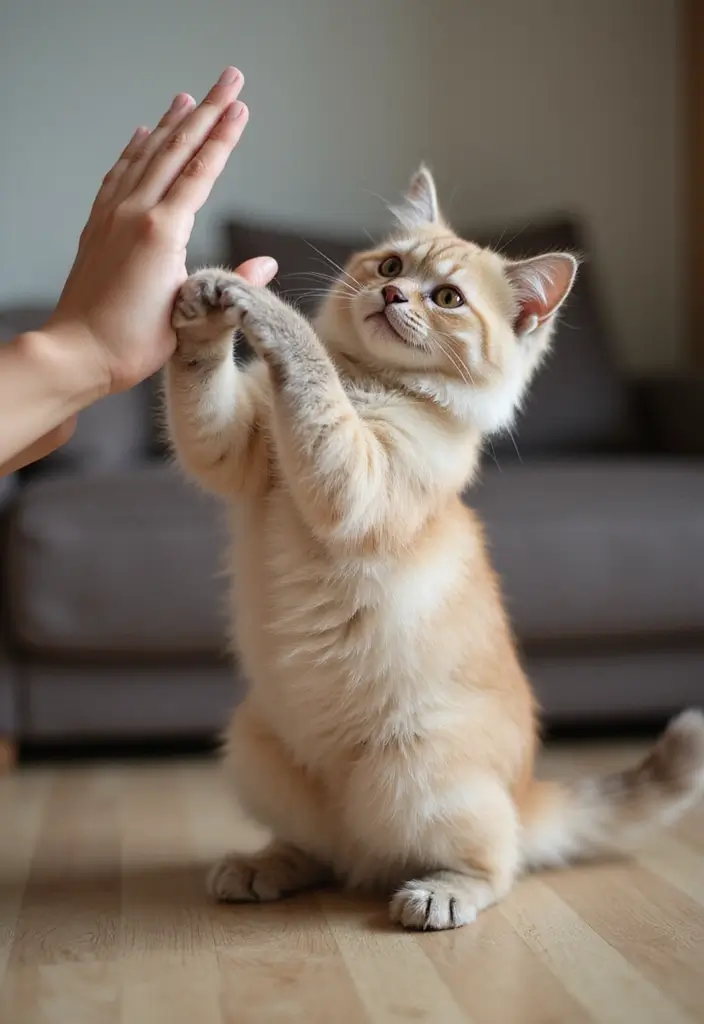
While Ragdolls are known for their laid-back personality, they can also be trained to follow commands and perform tricks. With patience and positive reinforcement, you can teach your Ragdoll simple commands like ‘sit,’ ‘high-five,’ or even fetch!
Start with one command at a time, rewarding your Ragdoll with treats and praise when they succeed. Keep training sessions short and fun to maintain their interest and motivation.
Here are some training tips:
– Be Consistent: Use the same word and hand signal for each command.
– Use Treats: Positive reinforcement encourages learning.
– Short Sessions: Keep training to under 5 minutes to avoid boredom.
– Celebrate Success: Praise them excitedly when they do well.
Training not only enhances your bond but also provides mental stimulation for your Ragdoll.
Training a Ragdoll is like sharing a secret language – with patience and treats, you’ll unlock their playful side! Remember, consistency is key to a happy, obedient kitty.
11. The Impact of Spaying/Neutering
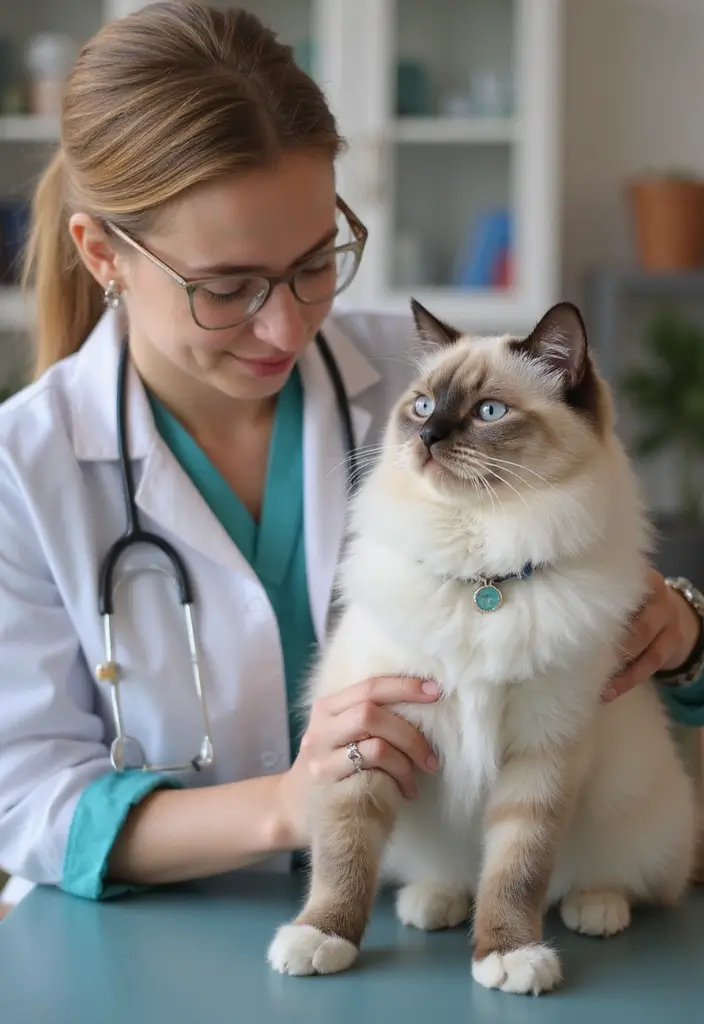
Spaying or neutering your Ragdoll is a responsible choice that has numerous health benefits. This procedure can help reduce the risk of reproductive cancers, eliminate unwanted behaviors like spraying in males, and prevent overpopulation.
Consult with your veterinarian about the best time to spay or neuter. It’s generally recommended to do it at an early age, usually between 4-6 months, for the best outcomes. Post-surgery, provide a comfortable space for your Ragdoll to recover and monitor them closely.
Consider these benefits:
– Healthier Cats: Reduces risks of certain diseases.
– Behavioral Improvements: Less aggressive or territorial behavior.
– Population Control: Helps reduce the number of homeless animals.
– Longer Lifespan: Spayed and neutered cats often live longer, healthier lives.
By making this choice, you’re contributing to your Ragdoll’s well-being.
12. Ragdoll Cat Colors: An Overview
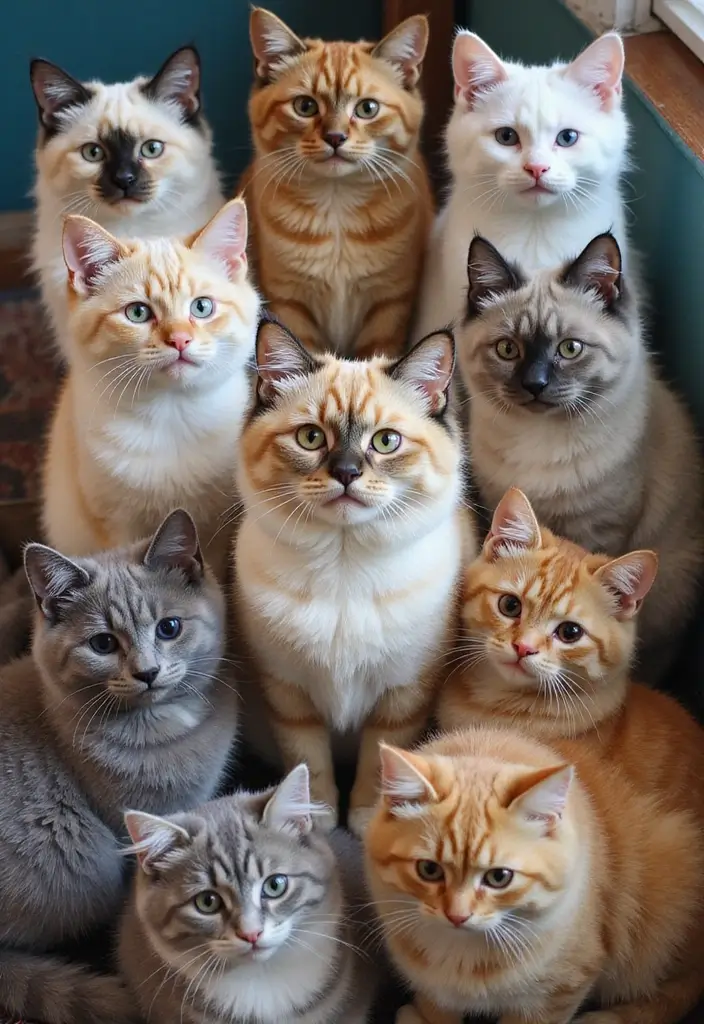
Ragdolls come in a stunning array of colors and patterns, making them even more special. The most common colors include blue, chocolate, lilac, and cream, each with unique markings.
The patterns are equally fascinating, including colorpoint, mitted, and bicolor. Colorpoints have darker extremities with a lighter body, while mitted Ragdolls have white mittens on their paws. Bicolor Ragdolls feature white in their coat that creates a striking contrast.
Take a moment to appreciate these beautiful variations:
– Colorpoint: Darker colors on the ears, paws, and tail.
– Mitted: White paws and chin, soft contrast.
– Bicolor: Elegant patterns with white patches.
– Tortie Ragdolls: A mix of colors creating a unique look.
Exploring these colors adds to the joy of owning a Ragdoll!
Ragdoll cats bring a splash of color to your life! With stunning shades like blue, chocolate, and lilac, each one is a masterpiece of nature. Appreciate their unique patterns – they truly are a work of art!
13. The Ragdoll Cat’s Unique Behavior
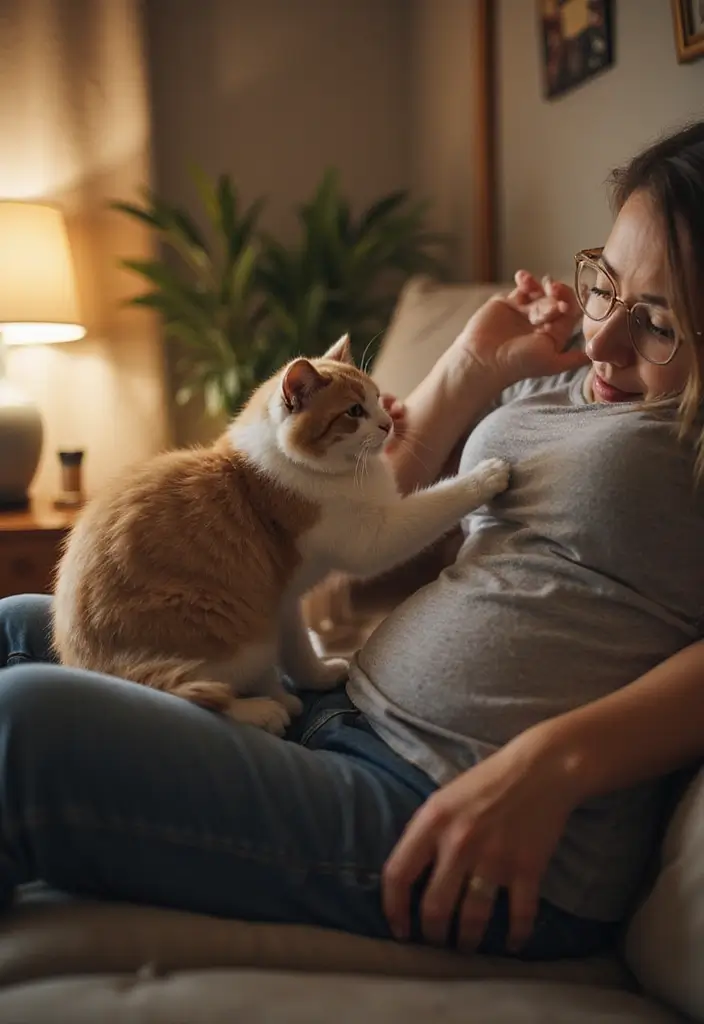
Ragdolls have a unique set of behaviors that endear them to their owners. One of their most notable characteristics is their tendency to go limp when picked up, which is both adorable and amusing.
They are also known for being vocal and often ‘talk’ to their owners, expressing their needs and desires. You might notice them following you around or sitting on your lap, seeking companionship.
Here are some unique behaviors you might observe:
– Lap Sitting: They love to curl up with you.
– Vocalization: They express themselves through soft meows.
– Playful Nature: Engaging in playful antics keeps them happy.
– Curious Explorers: Their inquisitive nature leads them to explore new environments.
Understanding these behaviors enhances your relationship with your Ragdoll.
14. Traveling with Your Ragdoll Cat
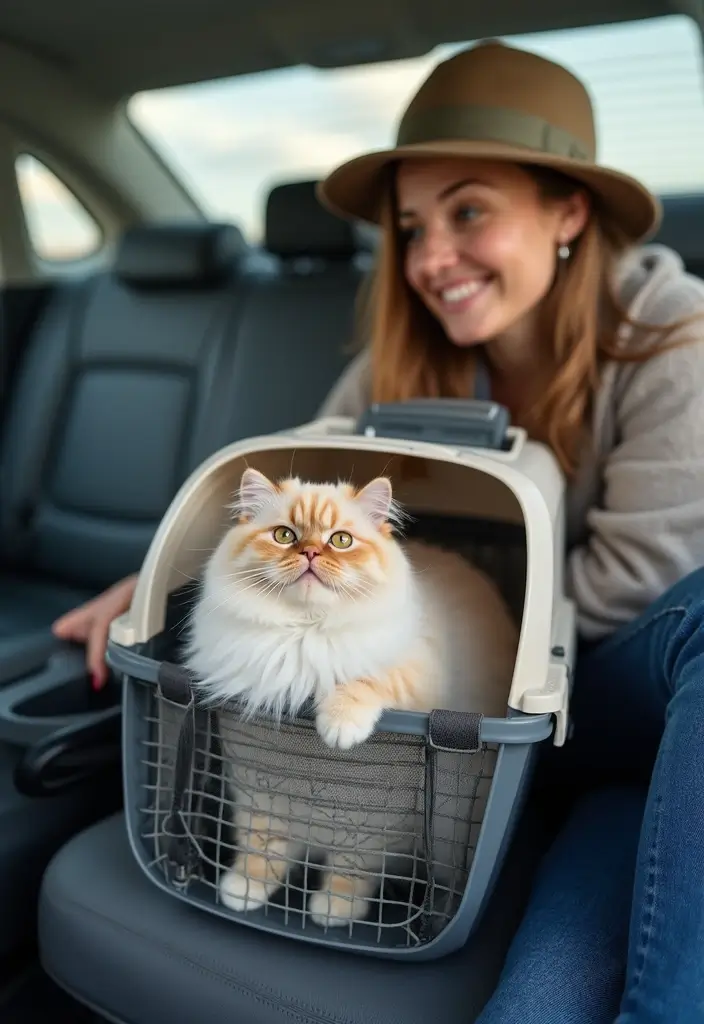
Traveling with your Ragdoll can be a delightful adventure if done correctly. Whether it’s a short trip to the vet or a long road trip, preparation is key to ensuring your cat’s comfort and safety.
Invest in a quality cat carrier that offers enough space for your Ragdoll to move comfortably. Familiarize them with the carrier before the trip, so they don’t feel anxious. Bring along their favorite blanket or toy to provide a sense of security during travels.
Here are some tips for smooth travels:
– Plan Ahead: Schedule breaks for potty and stretching.
– Stay Calm: Your demeanor can influence their behavior.
– Keep Essentials Handy: Pack food, water, and a litter box.
– Secure the Carrier: Use seat belts to secure the carrier in the vehicle.
With these preparations, you can enjoy traveling with your furry friend.
15. Understanding Your Ragdoll’s Body Language
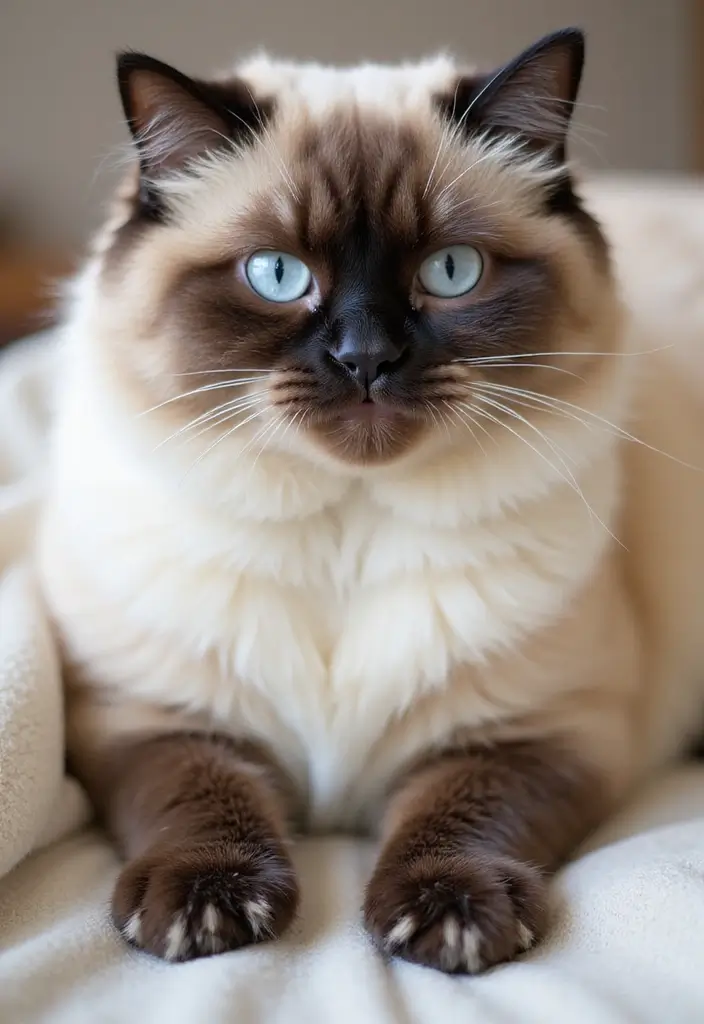
Deciphering your Ragdoll’s body language is essential for bonding and understanding their needs. Cats communicate largely through their posture, tail position, and ear movements.
For example, a Ragdoll with a relaxed body and tail held high is content, while a puffed-up tail may indicate fright or aggression. Understanding these signals can improve your relationship and help you respond appropriately to their emotions.
Here are some common body language indicators:
– Relaxed Ears: Indicates they are calm and comfortable.
– Slow Blinking: A sign of trust and affection.
– Tail Up: Happy and confident.
– Hiding: They may feel stressed and need space.
Being attuned to these cues will help you create a nurturing environment for your Ragdoll.
16. Ragdoll Cats and Other Pets
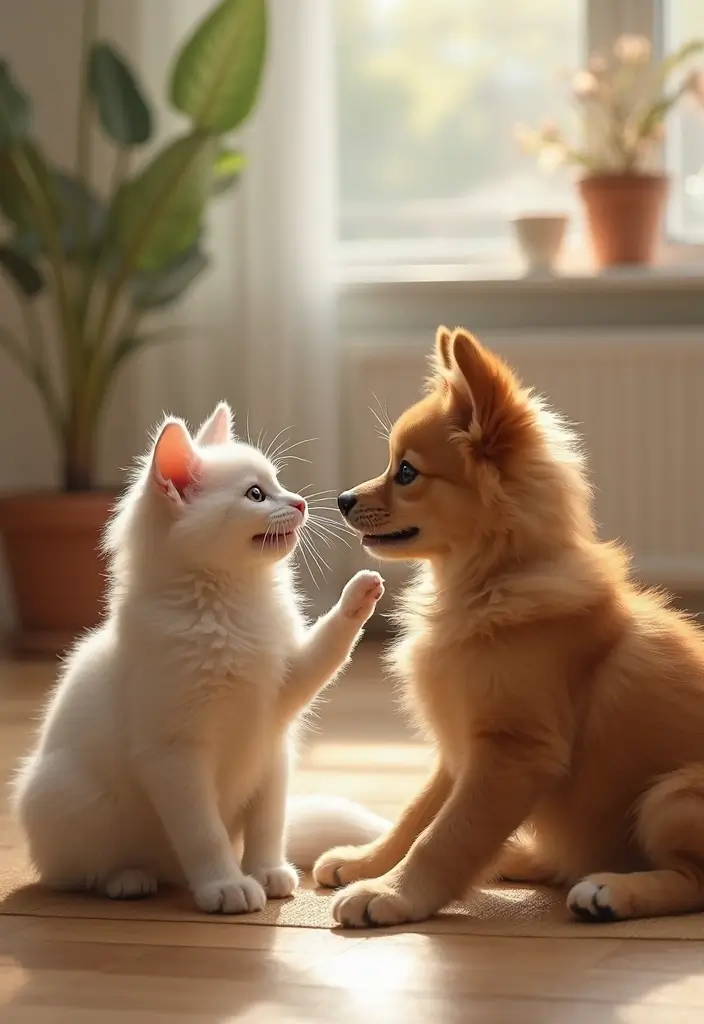
Ragdolls are generally known for their friendly demeanor, making them great companions for other pets. Their calm nature often helps ease tensions in multi-pet households.
Introduce your Ragdoll to other pets gradually, allowing them to acclimate to each other’s presence. Supervised interactions can promote a positive relationship, ensuring that both your Ragdoll and other pets feel safe and secure.
Consider these tips for introducing a new pet:
– Slow Introductions: Allow time for them to get used to each other.
– Positive Reinforcement: Reward good behavior during interactions.
– Separate Spaces: Provide both pets with their own space to retreat if needed.
– Observe Behavior: Watch for signs of stress or aggression.
With the right approach, your Ragdoll can thrive alongside other furry family members.
Ragdoll cats thrive in multi-pet households! With their friendly nature, slow introductions can help create a harmonious home where every furry friend feels safe and loved.
17. Endearing Quirks of Ragdolls
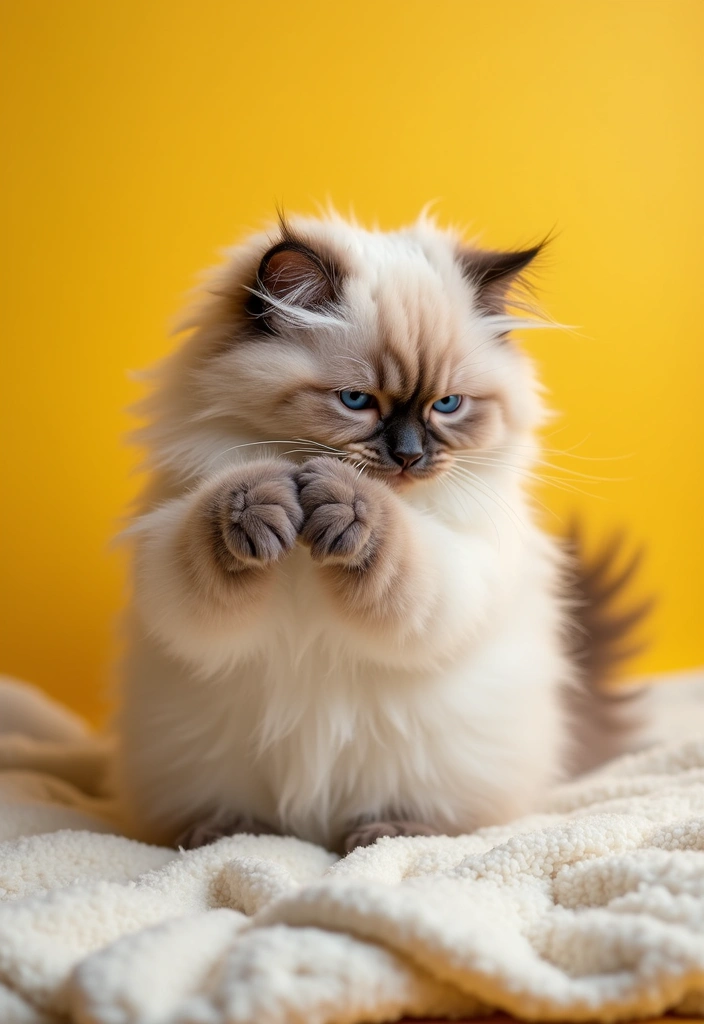
Ragdolls come with their fair share of quirky behaviors that make them lovable and unique! From their tendency to plop down on their backs to show trust to their playful attacks on unsuspecting toes, these quirks add personality.
Many Ragdolls will follow their owners from room to room, always wanting to be where the action is. They also have a peculiar habit of kneading soft surfaces, almost like they’re baking. It’s these endearing behaviors that often draw us closer to them.
Here are a few quirks you might notice:
– Toe Attacks: They love to sneak up and pounce.
– Kneading: Their way of showing comfort and affection.
– Rolling on Their Back: A sign of trust and contentment.
– Chasing Shadows: Their playful nature makes them curious.
These little habits enhance the joy of living with a Ragdoll.
18. Mental Stimulation for Ragdolls
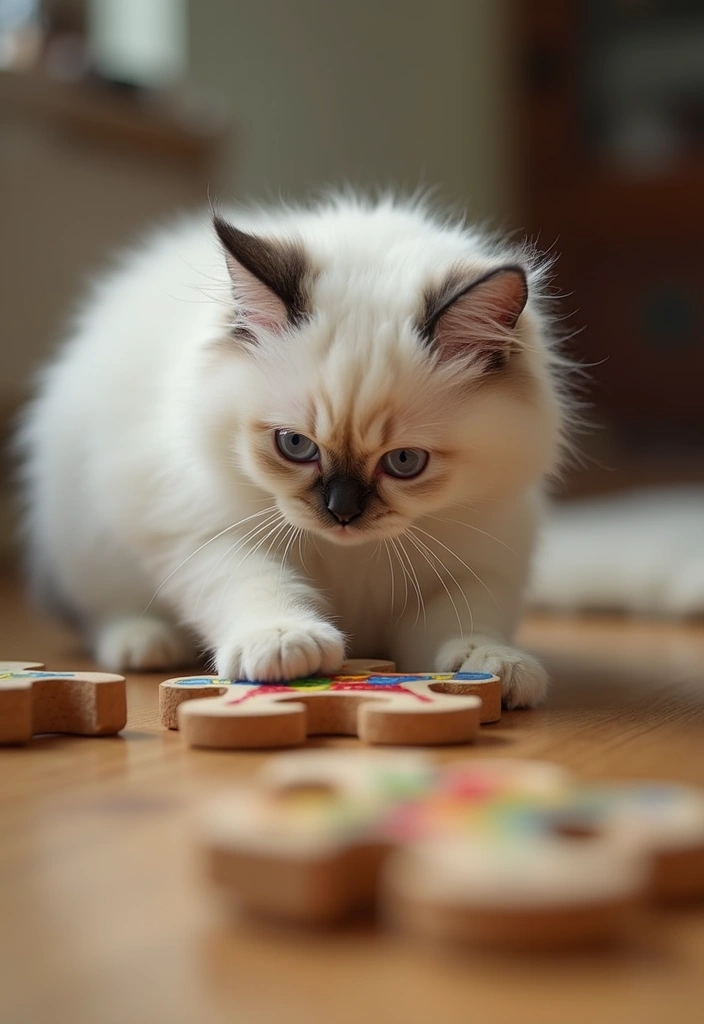
Keeping your Ragdoll mentally stimulated is just as important as their physical health. Boredom can lead to destructive behavior, so providing some mental challenges can keep their minds sharp and engaged.
Consider offering puzzle toys that dispense treats or engaging in interactive play sessions. Rotate toys regularly to keep their interest piqued, and even consider teaching them new tricks as a way to engage their minds.
Some ideas for mental stimulation include:
– Puzzle Feeders: Reward them with treats for solving challenges.
– Interactive Play: Engage them in play that stimulates their hunting instincts.
– Training Sessions: Teach them tricks or commands.
– Explore New Spaces: Allow them to investigate different areas of your home.
With these activities, your Ragdoll will remain happy and mentally agile.
19. Recognizing Signs of Stress in Ragdolls
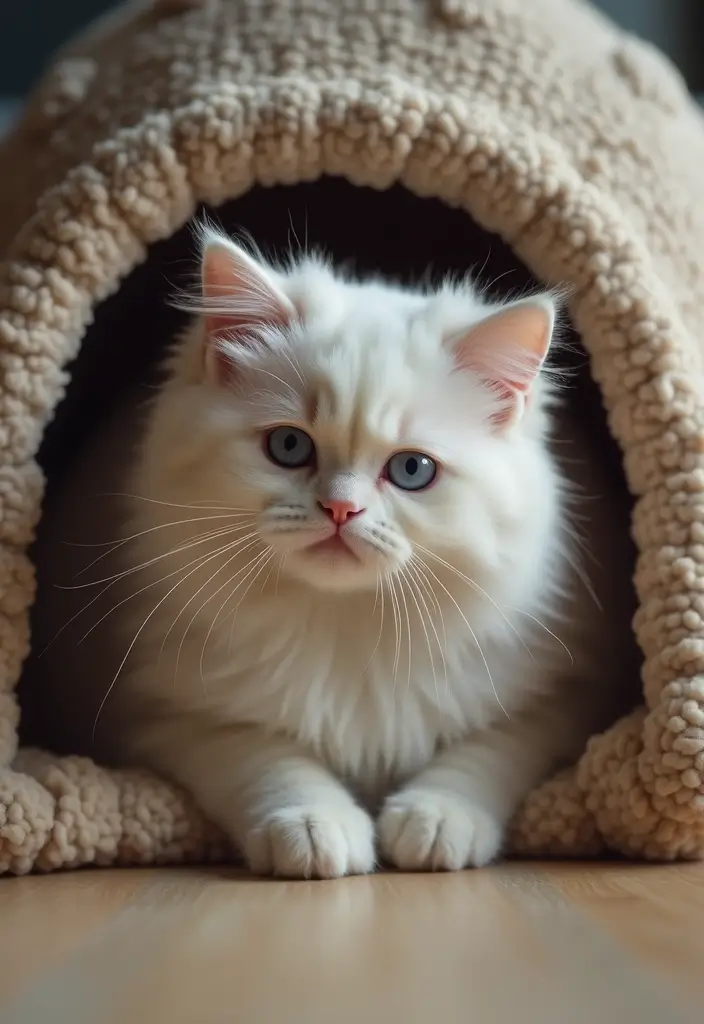
Understanding when your Ragdoll is stressed can help prevent behavioral issues and ensure their well-being. Signs of stress can vary, but some common indicators include hiding, over-grooming, or aggressive behavior.
Changes in their environment, such as moving to a new home or the introduction of new pets, can cause anxiety. Paying attention to your Ragdoll’s behavior and mood will enable you to take steps to reduce stress.
Look for these signs:
– Hiding: Seeking a safe space away from stimulation.
– Excessive Grooming: Can indicate anxiety or discomfort.
– Aggression: Reacting defensively when approached.
– Vocalization Changes: Unusual meowing or growling.
Recognizing these signs will help you address their needs and provide comfort.
20. Aging Ragdoll Cats: Special Care for Seniors
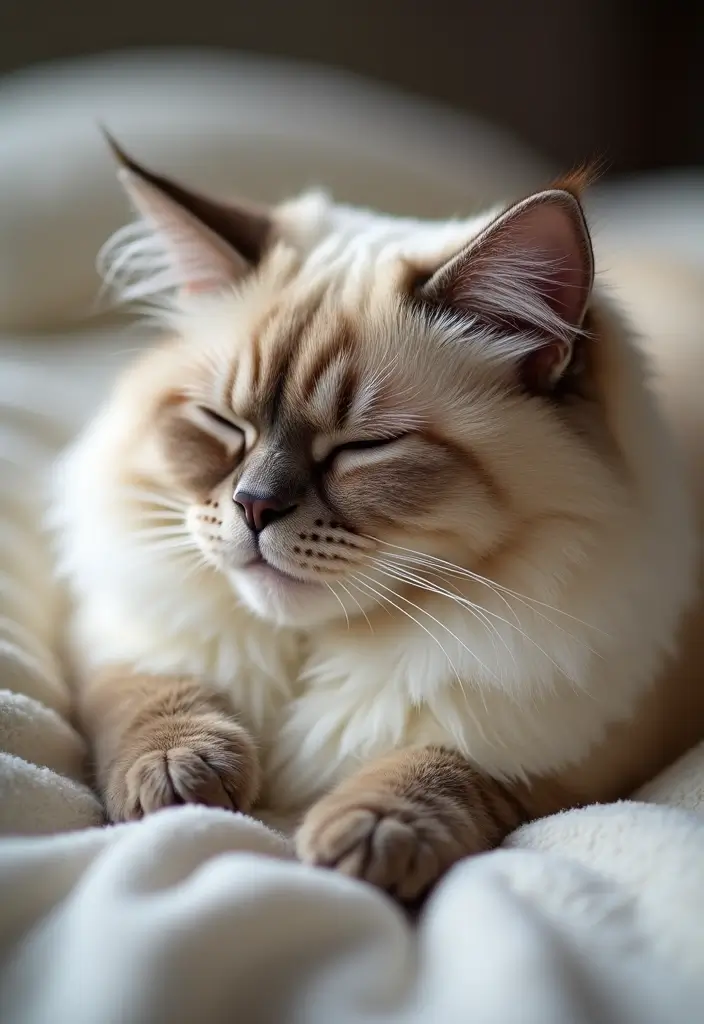
As your Ragdoll ages, their care requirements will change. Senior cats may require special attention to their health, diet, and overall comfort. Regular vet visits become even more important to monitor for age-related issues such as arthritis or dental disease.
Consider switching to a senior cat formula that is easier to digest and contains joint support. Providing comfortable resting areas is essential, as older Ragdolls may spend more time napping.
Here are some tips for caring for aging Ragdolls:
– Regular Vet Check-ups: Monitor health conditions closely.
– Diet Adjustments: Tailor their food to their changing nutritional needs.
– Comfortable Spaces: Create cozy resting areas for them.
– Encouraging Gentle Play: Engage them in light activities to keep them active.
With thoughtful care, your senior Ragdoll can enjoy their golden years comfortably.
21. The Benefits of Regular Vet Visits
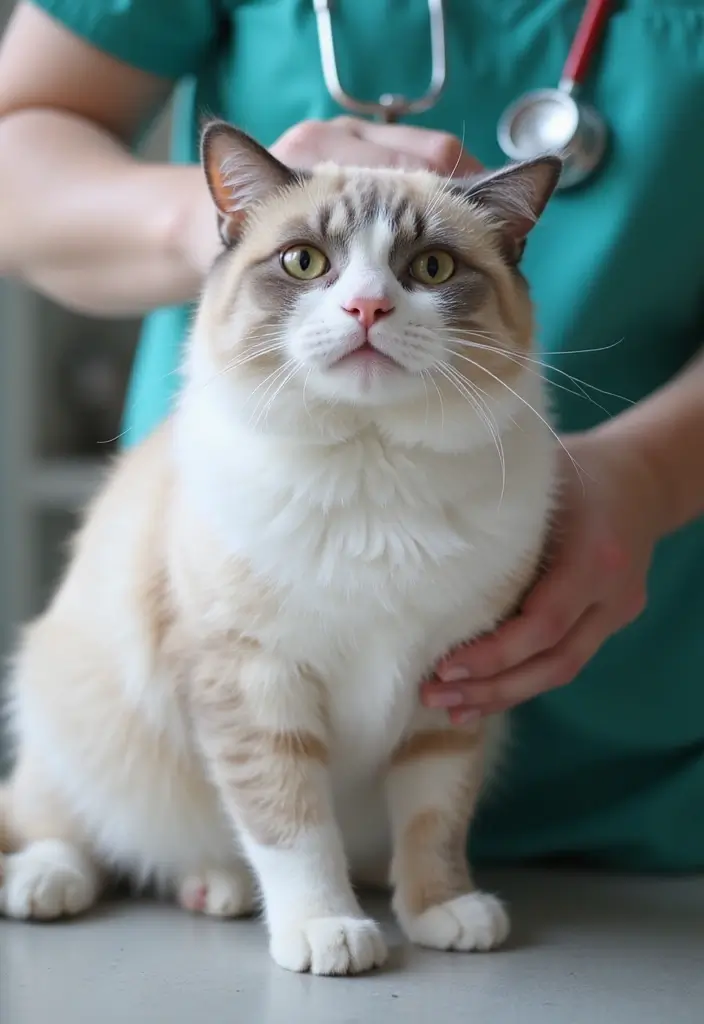
Regular vet visits are a cornerstone of ragdoll cat care. These check-ups allow your veterinarian to assess your Ragdoll’s overall health and catch any potential issues before they become serious.
During these appointments, your vet can provide vaccinations, dental check-ups, and nutritional advice tailored to your Ragdoll’s specific needs. Early detection of health issues can lead to better outcomes, which is why maintaining a consistent vet schedule is essential.
Make the most of your vet visits with these tips:
– Prepare a List: Write down any questions or concerns before your visit.
– Keep Records: Maintain a health history for your Ragdoll.
– Monitor Behavior: Share any changes you’ve noticed at home.
– Follow Recommendations: Stick to the vet’s advice on medications and diets.
These visits are vital for your Ragdoll’s long-term health and happiness.
22. Creating a Cat-Safe Outdoor Space

If you want to let your Ragdoll experience the outdoors, creating a safe environment is crucial. Outdoor access should be supervised to protect them from potential dangers. Consider building a catio or designated outdoor area where they can roam safely.
This space should have climbing opportunities, shaded areas, and interactive elements to keep them engaged. If you only have a small balcony, consider making it Ragdoll-proof with secure netting.
Here are some tips for a cat-safe outdoor area:
– Secure Fencing: Ensure that the space is enclosed and escape-proof.
– Provide Shade: Keep them protected from direct sunlight.
– Interactive Elements: Add scratching posts or climbing structures.
– Monitor Playtime: Always supervise their outdoor activities.
With these considerations, your Ragdoll can enjoy the fresh air safely.
Let your Ragdoll explore the great outdoors safely! A well-designed catio or protected space can turn their outdoor adventures into a worry-free experience filled with climbing and play.
23. Seasonal Care for Your Ragdoll
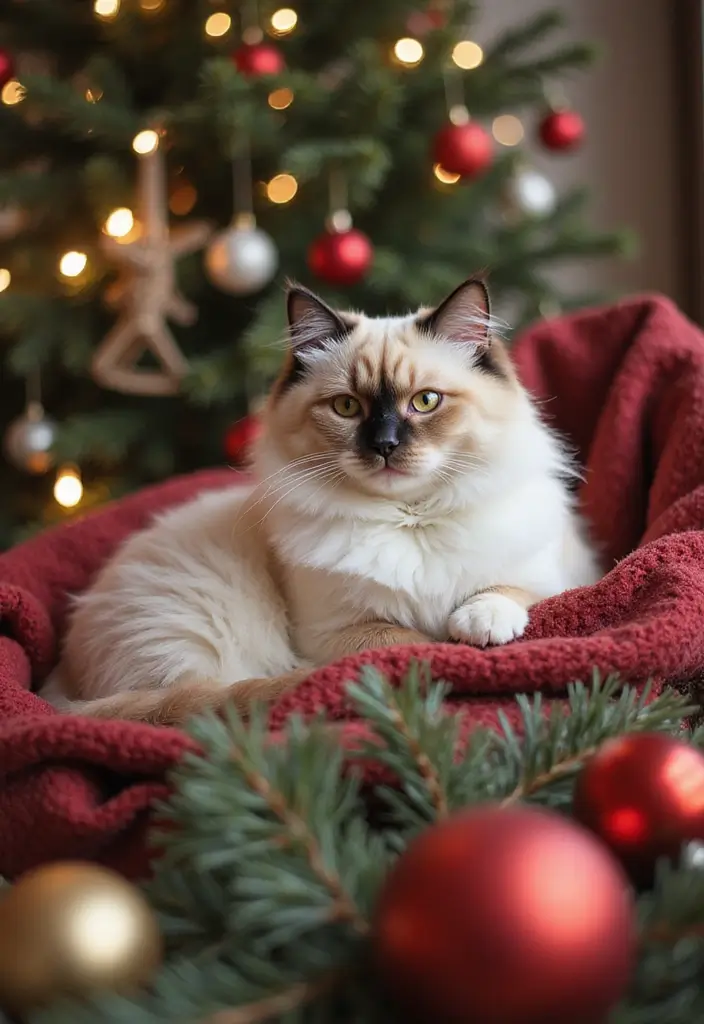
With changing seasons come different care needs for your Ragdoll. In summer, ensure they have plenty of fresh water and shaded areas to cool off, while winter may require extra warmth and cozy spots indoors.
Regular grooming is especially important during shedding seasons, as Ragdolls can produce more fur during these times. Monitor their hydration in hot weather, and consider changing their diet based on activity levels and age.
Here are some seasonal care tips:
– Summer: Keep them cool and hydrated.
– Fall: Check for allergies; fall can bring pollen.
– Winter: Provide warmth and comfort during colder months.
– Spring: Increase grooming to manage shedding.
By adapting care strategies with the seasons, your Ragdoll will remain comfortable and happy year-round.
24. Dealing with Shedding: Tips and Tricks
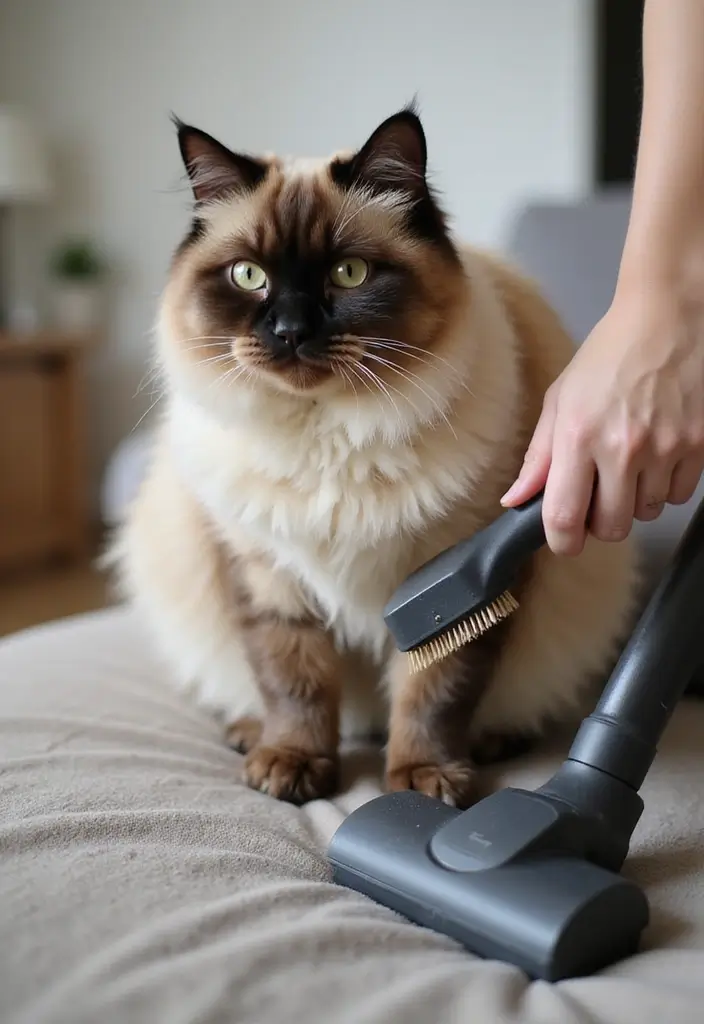
Ragdolls are known for their beautiful fur, but this comes with the challenge of shedding. Regular grooming can help manage this, but there are other strategies to keep your home fur-free.
Vacuuming frequently and using lint rollers can help remove fur from furniture and clothing. A good quality brush can make a world of difference in reducing shedding, so invest in tools designed for long-haired cats.
Here are some effective shedding management tips:
– Daily Brushing: Helps to remove loose hair before it falls.
– Hydration: Ensure they drink enough; hydration helps skin health.
– Quality Diet: A good diet can reduce shedding.
– Regular Cleaning: Keep up with home cleaning to manage fur buildup.
By taking these steps, you can enjoy the beautiful coat of your Ragdoll without the hassle of excessive shedding.
25. Recognizing and Preventing Hairballs
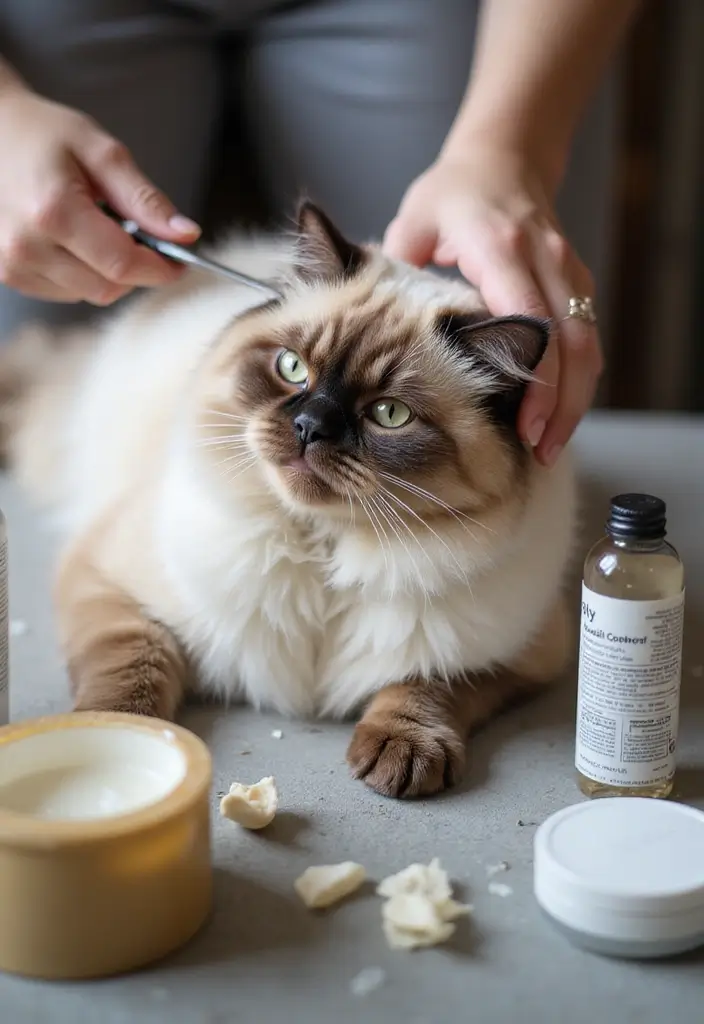
Hairballs are a common issue for long-haired cats like Ragdolls. Regular grooming can significantly reduce the amount of fur they ingest while cleaning themselves. However, if hairballs do occur, knowing how to manage them is essential.
Consider adding a hairball control formula to their diet or consulting your vet for dietary recommendations. Keeping your Ragdoll hydrated can also help prevent hairballs by aiding the digestive process.
Here are some ways to recognize and prevent hairballs:
– Regular Grooming: Reduces fur ingestion.
– Dietary Control: Look for specialized food formulas.
– Hydrate: Ensure they have constant access to fresh water.
– Monitor Behavior: Watch for signs of discomfort or frequent coughing.
Taking proactive steps can keep your Ragdoll healthy and happy.
26. Choosing a Veterinarian for Your Ragdoll
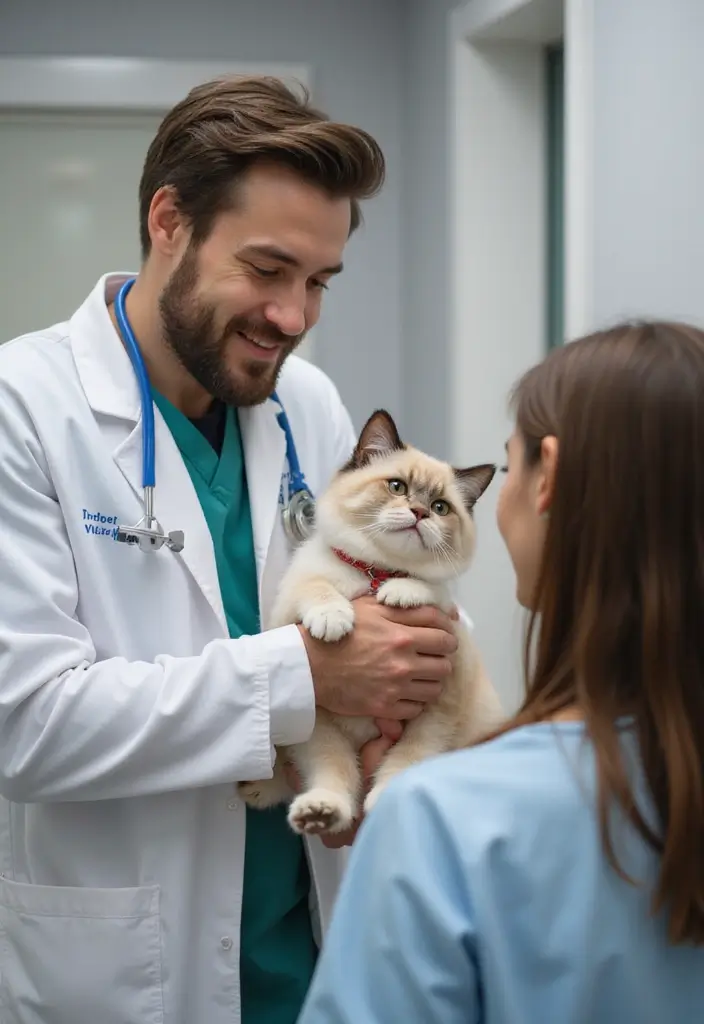
Finding the right veterinarian for your Ragdoll is crucial to ensuring their health and well-being. Look for a vet with experience in feline care, particularly with Ragdolls, as they might have specific needs.
Consider scheduling an initial visit to discuss your Ragdoll’s diet, routine care, and any concerns you might have. A good vet should be approachable, willing to answer your questions, and ideally, have a clinic with a friendly atmosphere.
Here are some tips for selecting a vet:
– Ask for Recommendations: Talk to other pet owners for suggestions.
– Check Credentials: Ensure they are certified and experienced.
– Visit the Clinic: Observe the environment and staff behavior.
– Trust Your Instincts: Choose a vet you feel comfortable with.
With the right veterinarian on your team, your Ragdoll will receive the best care possible.
27. The Joy of Being a Ragdoll Owner
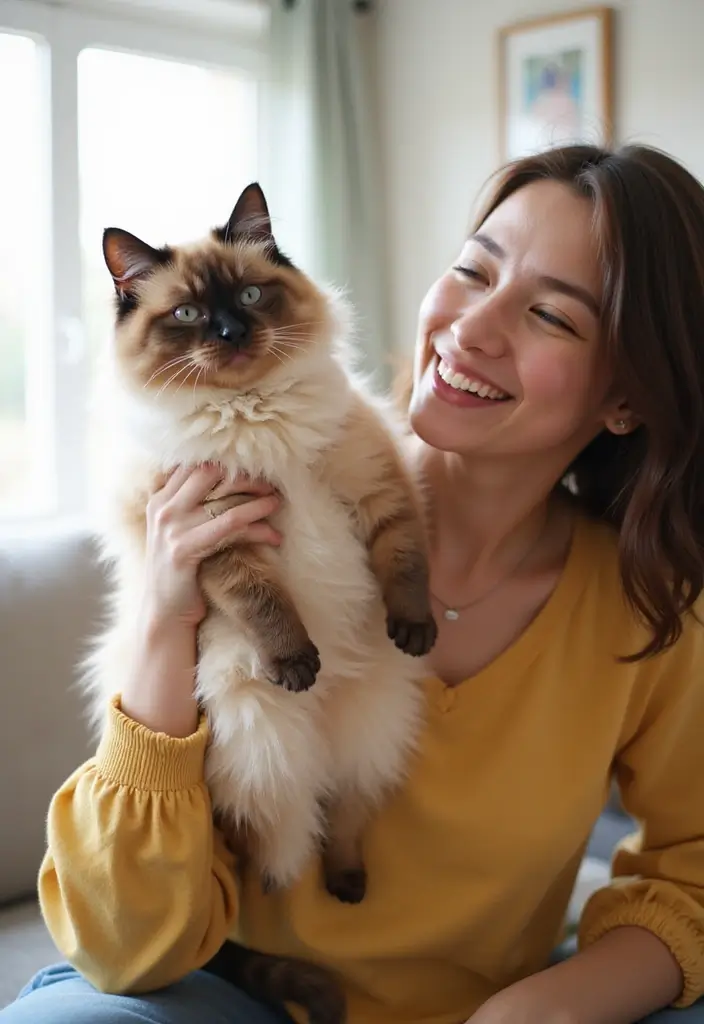
Owning a Ragdoll cat brings immense joy and companionship. Their loving nature and playful antics can brighten anyone’s day. With the right care, attention, and understanding, you can create a fulfilling life for both you and your feline friend.
They’re not just pets; they become cherished family members who offer unconditional love and comfort. The bond you share with your Ragdoll can be one of the most rewarding experiences of pet ownership.
Embrace the journey and cherish every moment with your fluffy companion. Here’s to many happy years with your Ragdoll cat, filled with love, laughter, and unforgettable memories!
Conclusion
Caring for a Ragdoll cat is a beautiful journey filled with love, laughter, and unique experiences. By following these tips and paying attention to their needs, you can ensure they remain healthy and happy throughout their lives.
From understanding their traits and colors to incorporating fun activities and proper care, every aspect contributes to their overall well-being. Cherish the moments with your Ragdoll, and watch as they bring joy into your life every day!
Frequently Asked Questions
What Are the Best Grooming Practices for Ragdoll Cats?
Grooming your Ragdoll cat is essential to keep their stunning coat in top shape! Regular brushing, ideally every few days, helps prevent mats and tangles in their beautiful semi-long fur.
Using a wide-toothed comb or a slicker brush can work wonders. Don’t forget to check their ears and trim their nails regularly to ensure they stay comfortable and healthy!
What Are Common Health Issues to Watch for in Ragdoll Cats?
Ragdolls are generally healthy, but they can be prone to specific issues like hypertrophic cardiomyopathy, a heart condition, and hip dysplasia. Regular vet check-ups are crucial to catch any potential health concerns early.
Additionally, keeping an eye on their weight and ensuring they have a balanced diet will help them lead a long, healthy life!
How Can I Create a Safe Environment for My Ragdoll Cat?
Creating a safe and cozy environment for your Ragdoll is key to their happiness. Ensure they have a quiet space with comfortable bedding and plenty of napping spots.
Consider adding cat trees or shelves for climbing and exploring, and always supervise outdoor access to keep them safe from potential dangers. A secure and stimulating environment will help your Ragdoll thrive!
What Are the Unique Traits of Ragdoll Cats That Make Them Special?
Ragdolls are known for their affectionate nature, often following their owners around and seeking attention. One of their most adorable traits is their tendency to go limp when picked up, which is where their name comes from!
They also have striking blue eyes and a calm demeanor, making them perfect companions for families and individuals alike.
What Should I Feed My Ragdoll Cat for Optimal Health?
Feeding your Ragdoll a high-quality, well-balanced diet is crucial for their health. Look for cat food that lists real meat as the first ingredient, and be mindful of their portion sizes to avoid obesity.
Since Ragdolls can be prone to certain health issues, consult with your vet about the best diet tailored to your cat’s specific needs. Fresh water should always be available to keep them hydrated!
Related Topics
ragdoll cat care ragdoll grooming cat nutrition ragdoll health color variations cat training tips indoor cat safety mental stimulation affectionate pets easy grooming pet wellness beginner cat owner